





Religion
How to hold it together in a crazy world

Cruel, Crazy, Beautiful World, the famous Johnny Clegg album, describes what he saw in 1989, but it feels even more apt today amidst the constant convulsions of global and local politics. Donald Trump. Cyril Ramaphosa. Gaza. And all our daily hassles and stresses. How to be sane in a crazy world? How to hold your family together? How to find peace of mind and tranquillity of spirit?
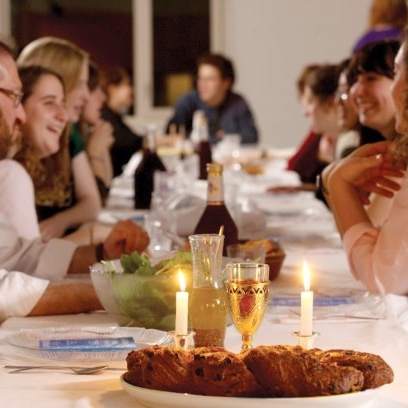
Enter the Shabbos table – a sanctuary in time that offers every Jewish family a precious opportunity to reconnect. Every Friday evening, as the sun sets and Shabbos arrives, the world slows down. Work emails cease, phones are set aside, and the incessant buzz of modern life quiets. It allows us to be fully present with one another, to give those closest to us the attention they deserve. On Shabbos, even the busiest parents become available to their children, and children open up to their parents.
But here’s the thing. Choosing what to talk about when at the table is vital. Without thinking, our conversations can slip into the same worries and gossip that bombard us the rest of the week. We might find ourselves rehashing South Africa’s political turbulence or the latest crisis in the news. It’s easy for our talk to be dominated by the angst and anger of the news cycle. We might drift into discussing work problems, or worse, into lashon hara – gossip about friends and neighbours.
There’s another way. Bring words of Torah to the Shabbos table. Torah talk is refreshing – a breath of pure air in a polluted news cycle. It’s grounding, reminding us of eternal values and placing our daily concerns in a higher context. And it’s joyfully meaningful, often sparking curiosity, debate, and inspiration in the best of ways.
Instead of anxiety or cynicism, the talk at the table brings out laughter, insight, and hope. Even a short d’var Torah (Torah idea) can open a gateway to deeper conversation. A child might ask an earnest question about the week’s parsha, sparking a discussion that leads everyone to a fresh understanding. A parent might share a teaching from Pirkei Avot that sheds light on a real-life dilemma, prompting stories and personal reflections from each person. We explore one another’s thoughts and dreams, coming to appreciate the inner worlds of our spouse, our parents, our children. We discover what moves and inspires each other.
As Pirkei Avot teaches: “Three who eat at one table and speak words of Torah, it is as if they had eaten at G‑d’s table.” The family meal becomes not just an exchange of food, but an exchange of wisdom and values.
Sharing this exploration together can be exhilarating. Torah learning isn’t a dry ritual, it’s a lively adventure, a quest to understand ourselves, our world, and our purpose more deeply.
This is what Shavuot is all about. It reminds us what a gift the Torah is for us – our Creator’s blueprint for life, with all His loving wisdom and light in it. As Pirkei Avot teaches, “Turn it over and over, for everything is in it.” The Torah isn’t a static book but a dynamic, ever-unfolding source of guidance and insight. Every return to its words reveals something new.
Around the Shabbos table, this sense of adventure is contagious. Let’s all begin this new journey on Shavuot of talking Torah at the table every week at Shabbos and Yom Tov. And bring light and sanity, kindness and wisdom to a crazy world.
- Chief Rabbi Dr Warren Goldstein is chief rabbi of South Africa.



