


Voices
Compassion, commemoration, and conferences

It is difficult to keep our community strong, hopeful, and united in the face of a war which elicits such strong emotions. We are also trying to establish truth in the midst of the fog of war. Like everyone I know, I feel a great depth of despair over the war in Gaza. My heart hasn’t healed from the 7 October 2023 devastation, and the recent pictures of the hostages and the cruelty they have been subjected to, leaves me, as I have no doubt it leaves you, bereft.
I know you join me in sending love to the hostage families. We cannot imagine the pain they feel, and we wish we could share the burden with them. Most of all, we wish for peace. I also don’t avert my eyes from the suffering of innocent Gazans. There’s no doubt that humanitarian aid must be increased to end the food shortages. The United Nations must assist with this in ways that ensure that the aid isn’t used to prop up Hamas. I hope that we are experiencing the darkness before the dawn, and that soon, a peace deal will be signed so that the hostages can go home and the people of Gaza can find a way to live a better life in peace.
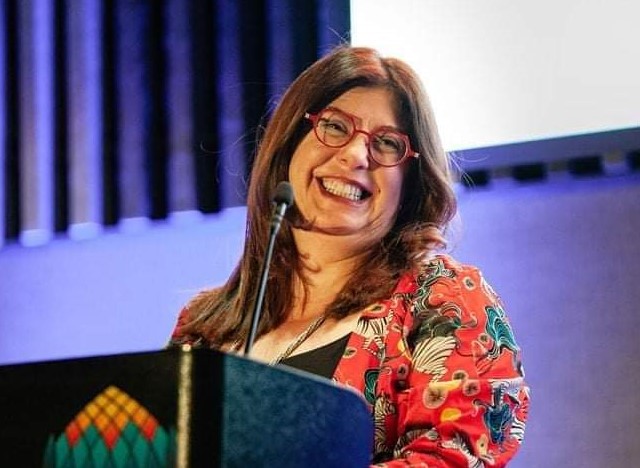
This past week, I had the privilege of addressing the Institute for the Study of Global Antisemitism and Policy (ISGAP) conference at Oxford University, a gathering of antisemitism scholars from around the world. The central concept that underscored the ISGAP conference was the idea that the academic response to antisemitism must evolve with integrity and urgency. Through the conference, we worked to build an international academic network committed to combating antisemitism through pedagogy and scholarship.
Topics at the conference included rape denialism; philosophy, hate speech, and the law; conspiracy theory, antisemitism, and contemporary political culture; and Judeophobia and anti-Israelism in global contexts. I was honoured to present at the conference, speaking on how South Africa has become “ground zero” for narratives vilifying Israel. I traced the roots of this phenomenon to the 2001 Durban World Conference Against Racism and the decolonisation student movements, which laid tracks in South Africa and then reverberated globally.
This weekend, we commemorate Women’s Day, a moment to honour the courage and resilience of about 20 000 women who, in 1956, marched to the Union Buildings in Pretoria to petition against the oppressive pass laws of the apartheid regime. That historic moment was extraordinary, not only for its scale but for its non-racial character, a bold act of unity in a divided society. The women who stood together, black, white, Indian, and coloured, embodied themes of empowerment, solidarity, and unyielding courage, forging a legacy that continues to inspire.
Yet, 69 years later, in spite of their ongoing contemporary significance, the day’s deeper themes of solidarity and empowerment often feel diluted in our celebrations. I recall with pride the South African Jewish Board of Deputies’ opportunity to join the surviving marchers in a commemoration a few years ago. Standing alongside those remarkable women, I was struck by the enduring power of their message. Their words, “You strike a woman, you strike a rock,” resonated as fiercely today as they did in 1956, a testament to the timeless truth that women’s resilience is a cornerstone of societal progress.