





OpEds
Trump’s Gaza plan: can the arsonists become firefighters?

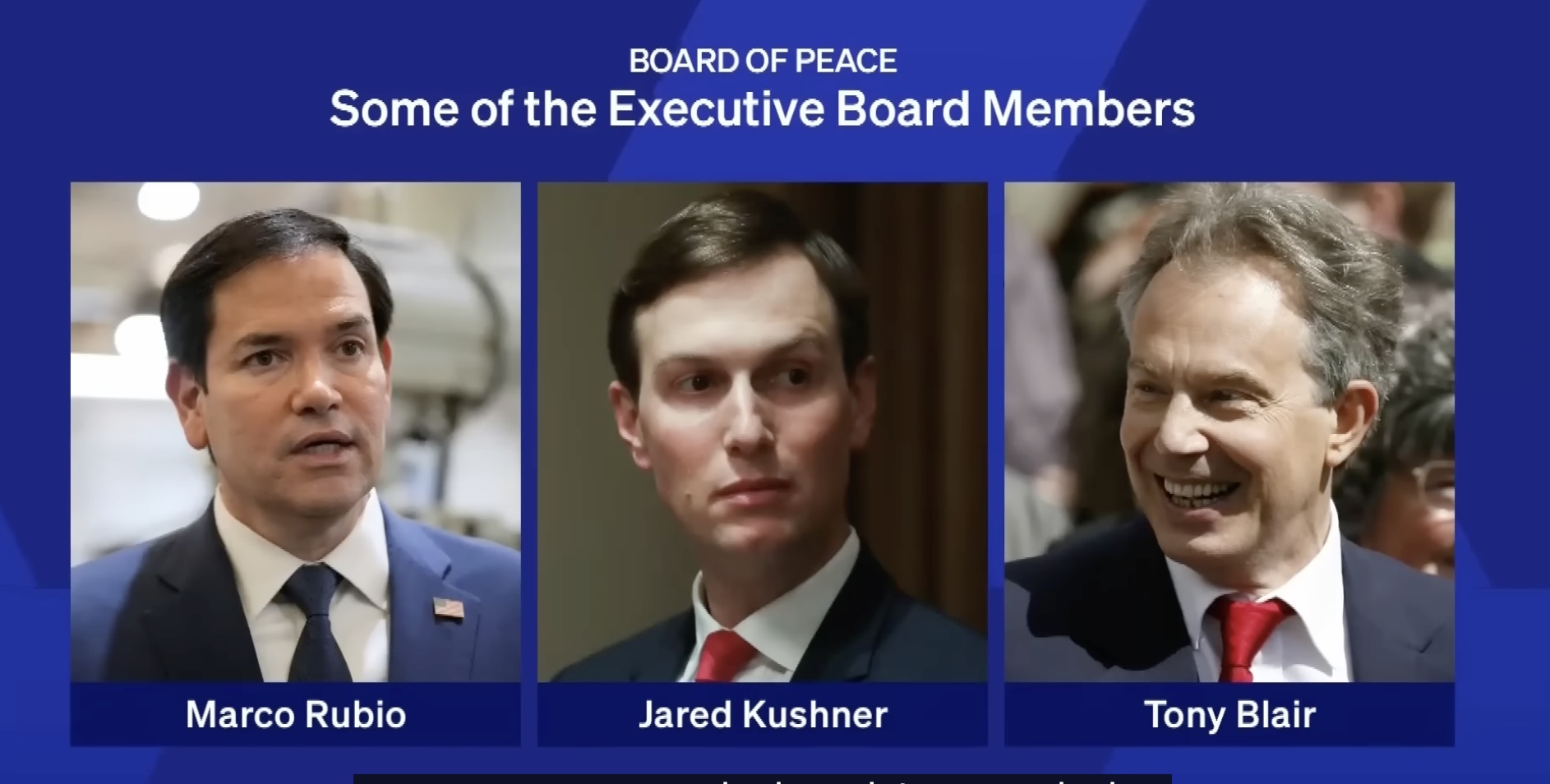
United States President Donald Trump deserves credit for his diplomatic boldness. His 20-point plan to end the Gaza conflict secured a ceasefire; freed the remaining living hostages; and brought adversaries to the negotiating table, achievements that eluded previous administrations. But as phase two of the plan unfolds with the formation of the Board of Peace and Gaza Executive Board, a troubling pattern emerges: Trump is empowering the very actors who enabled Hamas’s reign of terror to oversee and even determine Gaza’s future.
The president’s instinct to be inclusive and “make a deal” is commendable. Yet inclusivity without discernment risks undermining the plan’s stated objectives: Hamas’s demilitarisation and delegitimisation; Gaza’s reconstruction as a terror-free zone; and lasting regional stability. By appointing representatives from Turkey, Qatar, and other actors with Muslim Brotherhood ideological roots to critical oversight roles, Trump may inadvertently be handing victory to the forces that sustained Hamas for decades.
Consider the composition of the Gaza Executive Board. Turkish Foreign Affairs Minister Hakan Fidan sits alongside Qatari diplomat Ali Al Thawadi, both representing governments that have systematically supported Hamas’s infrastructure, ideology, and operations. Turkey, under President Recep Tayyip Erdoğan, has provided a safe haven for Hamas leaders, with Ankara hosting the organisation’s political bureau members even as they coordinated terror operations against Israel. Erdoğan himself has publicly praised Hamas, declaring its members “not terrorists but liberators”. His government channels financial support to Hamas through various mechanisms, while Al Jazeera Arabic – Qatar’s state media megaphone – has served as Hamas’s primary propaganda platform, glorifying terrorism and spreading antisemitic incitement across the Arab and Muslim world.
Qatar’s record is equally damning. After the 7 October 2023 massacre, Doha continued hosting Hamas’s top leadership in luxury, providing them with security, diplomatic cover, and access to international fora. While Qatar positioned itself as an indispensable mediator, it simultaneously bankrolled Hamas’s military capabilities and political apparatus. Now, with the inclusion of a Qatari representative on the Gaza Executive Board, the very nation that kept Hamas’s command structure safe is being rewarded with a seat at the table to shape Gaza’s future governance and international legitimacy.
Both Turkey and Qatar have embraced the Muslim Brotherhood’s ideology and protected its networks across the region. Hamas itself emerged as the Palestinian branch of the Muslim Brotherhood, sharing its commitment to political Islam and rejection of Jewish sovereignty in Israel. The Brotherhood’s influence extends through educational institutions, civil society organisations, and political movements that have systematically undermined secular governance and peaceful coexistence throughout the Middle East. Appointing representatives from Brotherhood-aligned governments to oversee Gaza’s “deradicalisation” is akin to asking the arsonists to rebuild the house they burned down.
The contradictions are glaring. Point 10 of Trump’s plan explicitly calls for “demilitarisation of Gaza and removal of all weapons and military infrastructure”. Yet Turkey has military ambitions in Gaza itself, with reports indicating that Ankara has prepared a brigade of at least 2 000 soldiers to deploy as part of the stabilisation force. As I noted in recent interviews, “If Turkey is allowed to enter Gaza with several thousand armed men, you can guarantee that this Muslim Brotherhood country will destabilise Gaza and dismantle the very 20-point plan that President Trump has bet the farm on.”
Israel has rightly rejected any Turkish military presence in Gaza. Prime Minister Benjamin Netanyahu’s office issued a statement clarifying that the Gaza Executive Board’s composition “was not coordinated with Israel and contradicts its policy”. Israeli Diaspora Affairs Minister Amichai Chikli stated bluntly that Turkish involvement would undermine the plan’s core security objectives. These concerns aren’t paranoia, but based on Turkey’s track record in Syria, where Ankara has used its military presence to advance Islamist proxies and extend its regional influence at the expense of stability.
Beyond Turkey and Qatar, other board members raise questions about their commitment to Israel’s security and the plan’s success. Steve Witkoff, Trump’s special envoy and a real estate developer, maintains extensive business interests across the Middle East that appear to create conflicts of interest in reconstruction decisions.
The inclusion of Palestinian representation on the technocratic National Committee for the Administration of Gaza (NCAG) is problematic. Ali Shaath, a former Palestinian Authority official with administrative experience, will lead the NCAG. This may appear a pragmatic and professional choice. However, he essentially represents Palestinian Authority interests. Moreover, he will operate under the oversight of board members whose governments spent years empowering the very terror organisation he is supposed to help displace.
Trump’s first term demonstrated his understanding of Middle East realities. He recognised Jerusalem as Israel’s capital; brokered the Abraham Accords; and supported Israel’s right to defensible borders. His administration recently designated the Muslim Brotherhood as a terrorist organisation. Yet by embracing Qatar and Turkey as key partners in the Gaza plan despite their Hamas ties, the president risks legitimising actors whose regional ambitions directly threaten American and Israeli security interests.
The lesson of the failed Oslo Accords should be clear. The Palestine Liberation Organization and Hamas’s commitment to Israel’s destruction isn’t negotiable rhetoric but a theological conviction rooted in Muslim Brotherhood ideology. Demilitarisation without deradicalisation is meaningless. Reconstruction without ideological reform will simply rebuild the infrastructure for the next war. And governance by actors sympathetic to Islamist ideology will ensure that Hamas reconstitutes itself under different banners.
Israel’s concern is existential, not tactical. The post-7 October reality demands moral clarity about who enabled the massacre and who can be trusted to prevent its recurrence. American backing for Israel’s right to enforce the plan’s implementation is essential. Without it, the 20-point plan becomes merely a hostage-release deal, leaving Hamas weakened but intact, ready to rebuild its capabilities while its regional sponsors provide cover through their seats on the Board of Peace.
The stakes couldn’t be higher. If Trump’s peace plan succeeds in demilitarising and deradicalising Gaza, it will mark a historic achievement in the long war against jihadist terrorism. If it fails because the president empowered Hamas’s enablers in the name of inclusivity, 7 October will not be the last massacre. Israel and the West will face future attacks orchestrated by reconstituted terror networks.
The course now being set is intertwined with American interests in the Middle East. Supporting Israel as the regional strong horse, which can project stability to all of its neighbours, has a direct impact on American interests and ensures regional stability. Allowing the leaders of subversive political Islam to infiltrate the governance mechanisms guarantees that the long-term goals of the plan are doomed to failure.
Trump has the leverage. He can demand that board members demonstrate their commitment to Hamas’s elimination through actions, not words. He can insist on transparency and accountability that prevent Turkey and Qatar from using their seats to protect Islamist interests. Most importantly, he must give Israel the unconditional backing it needs to enforce the plan’s implementation, with the understanding that Israeli security reinforces American security.
- Dr Dan Diker is the president of the Jerusalem Center for Security and Foreign Affairs.
