





OpEds
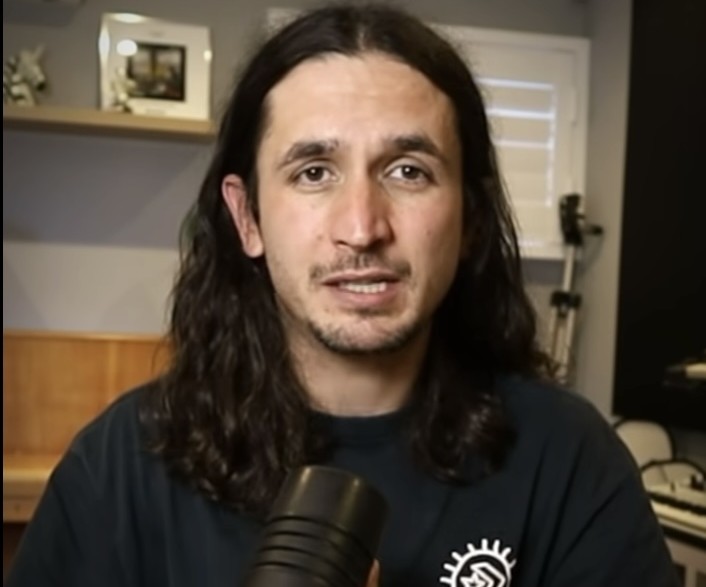
The silence of selective outrage

Cancel culture likes to think of itself as principled. It speaks the language of justice and accountability, drawing hard lines about who deserves a platform and who doesn’t. But every so often, reality intervenes and exposes just how shallow and selective that outrage really is.
That happened in December, around the now-forgotten campaign to cancel The Kiffness.
In the weeks before his Kirstenbosch concert, social media was ablaze. There were calls for boycotts and protests, dire warnings about “normalising harm”, and confident predictions that the concert wouldn’t – or shouldn’t – go ahead. The tone was familiar: urgent, absolutist, and deeply convinced of its own moral authority.
Then the day arrived.
Kirstenbosch was full. Families spread picnic blankets; children ran around; friends caught up over wine; and music floated across the gardens. People sang along, laughed, and soaked up a perfect summer afternoon. The protests never came. The outrage didn’t materialise. What existed loudly online dissolved completely in the real world.
Watching that disconnect was quietly revealing.
It also became clear that this was never really about music. The people calling loudest for The Kiffness to be cancelled were the same anti-Israel activists who have spent the past two years demanding ideological conformity on Israel-related issues. Their problem wasn’t his art. It was his clarity. The Kiffness has been open in saying that Hamas is a terrorist organisation – a statement that shouldn’t be controversial, but somehow has become so. That alone was enough to mark him for cancellation.
And here’s the part that really matters.
Three weeks have passed since that December concert. In that time, mass protests have erupted across Iran. Ordinary people – women, students, workers – have taken to the streets demanding dignity and freedom. The regime’s response has been brutal. Protesters have been beaten, arrested, tortured, and killed. Executions continue daily. Electricity has been cut and internet access deliberately shut down so civilians cannot organise or communicate, and so images of the brutality cannot reach the outside world.
And yet, from the same voices that demanded boycotts, protests, and moral sanctions against a musician, there has been nothing. Not a word about Iran. No campaigns. No outrage. No calls to “hold anyone accountable”.
Silence.
It’s hard to avoid the conclusion that this outrage was never about human rights at all. It was about enforcing a particular political line. One that allows endless fury at Israel and anyone who refuses to conform while looking away from regimes that murder their own people.
That hypocrisy becomes even more uncomfortable when we remember that just last week, Iranian warships were welcomed into South African waters for joint naval exercises. While bodies pile up on Iranian streets, their military is treated as a legitimate partner here at home. Where are the protests against that? Where is the moral urgency? Any petitions? Open-letters? Mass printed t-shirts? Nope.
During the December noise, the South African Zionist Federation spoke out, called out the hypocrisy, and encouraged people to support The Kiffness by buying tickets and showing up. Many from the Jewish community did exactly that. They went to the concert, joined the crowd, and enjoyed the day. Not as a political statement, but as ordinary people refusing to be bullied into silence.
Nothing terrible followed. No chaos. No harm. What fell apart instead was the illusion that cancel culture speaks for the majority.
Most South Africans are far more grounded than social media suggests. They understand that disagreement isn’t violence, that artists aren’t political property, and that joy isn’t something to be surrendered to online intimidation.
Jewish history has taught us (painfully) what happens when societies start deciding who may speak and who must be erased. We know where that road leads. That is why the reflex to cancel should always make us uneasy, especially when it is paired with selective blindness to real oppression. Outrage isn’t limitless. When it’s spent on silencing musicians, it’s unavailable when it’s desperately needed elsewhere.
There are places in the world where speaking out costs far more than a few angry posts. Until our moral energy is directed there, cancel culture will remain what it increasingly looks like: loud, performative, and ultimately empty. Disappearing as quickly as it appears, once the sun comes out and the music starts.
As the South African Zionist Federation, we pray that the people of Iran will once again see sunlight without fear, gather without whispering, and hear music without it being silenced by gunfire or censorship. That they, too, will be able to sit outdoors, laugh freely, and experience the simple dignity of joy – the kind that filled Kirstenbosch that December afternoon, and that no regime should ever be able to take away.
- Angie Segal is head of media at the South African Zionist Federation.




Ian Levinson
January 15, 2026 at 12:05 pm
Cancel culture isn’t about accountability—it’s about control. The left applies outrage selectively, punishing conservatives while protecting their own. Real justice means equal standards, not mob rule.
Great article Angie.