



Lifestyle/Community
Social media brings diaspora to dining table

On Instagram and TikTok, Jewish influencers are turning food into storytelling, from braided challah to simmering matzah ball soup; each dish sharing tradition, identity, and memory.
The rise of Jewish food content highlights how social media preserves and shares cultural identity. Influencers on TikTok and Instagram showcase traditional recipes alongside modern twists, reaching audiences well beyond Jewish communities, and sparking curiosity and appreciation worldwide.
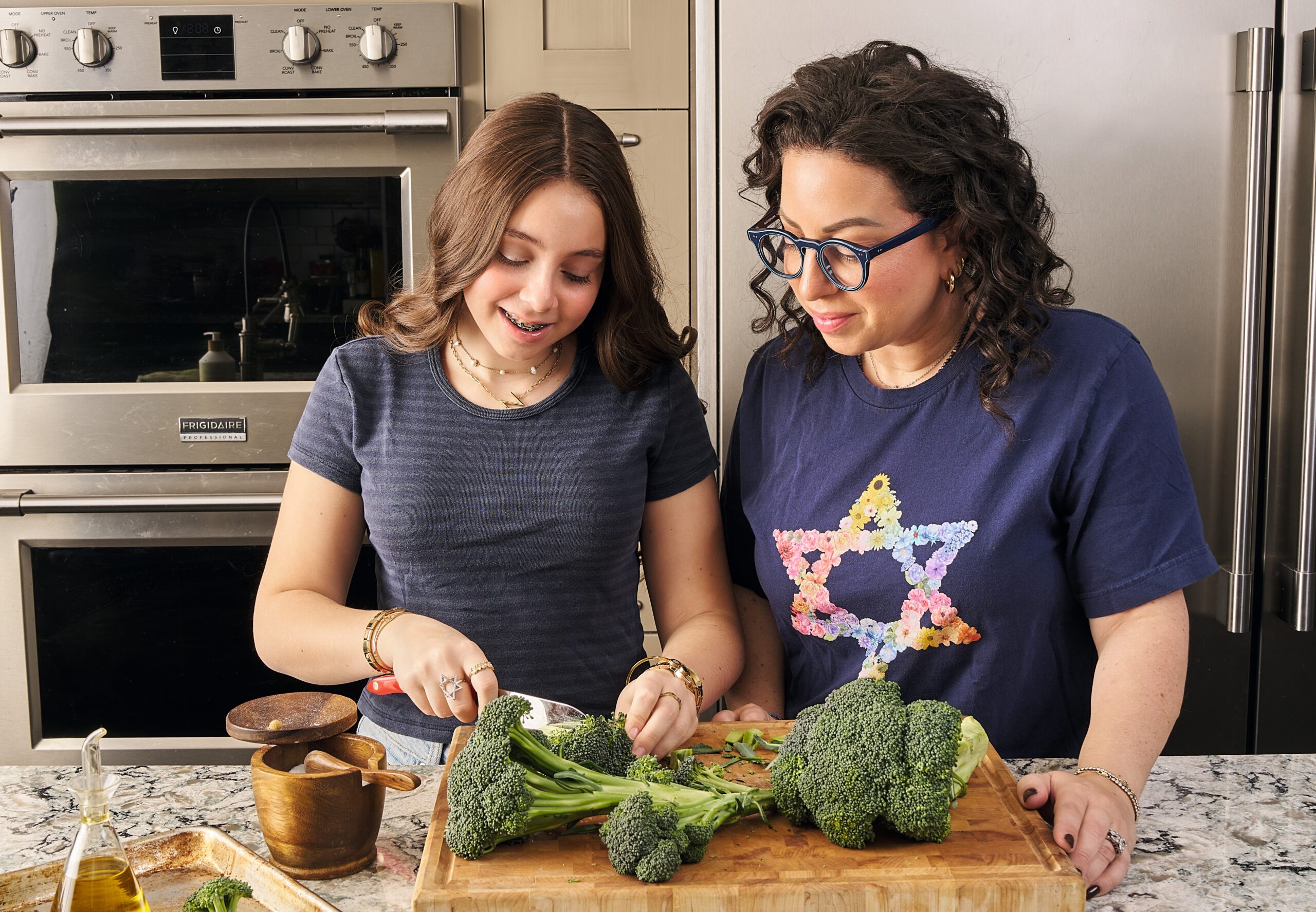
Melinda Strauss is a modern Orthodox content creator, educator, and cookbook author who brings the Jewish tradition into thousands of kitchens globally. Her debut cookbook, Eat Jewish, coming out this month, is intended as more than a recipe book; it’s a harvest of stories, rituals, and the kind of comfort food that carries heritage with every bite.
Strauss centres her content on everyday Jewish life, from kosher cooking tips and holiday traditions to reflections on faith and family, across Instagram, TikTok, and her blog Kitchen Tested. She embraces questions that might seem “too simple”, seeing each dish as a chance to teach, connect, and share Jewish joy. Since starting Kitchen Tested in 2011, Strauss has expanded to every new social media platform, sharing everything from her weekly Shabbat meals and kosher grocery hauls to the treats her husband brings home, and the food she packs for her daughter’s summer camp.
Strauss said food was a large part of her upbringing, including writing kosher recipes with her family. However, she didn’t discover her passion for cooking until she was diagnosed with Type 1 diabetes when she was 18 years old.
“Suddenly, I was like, I have to start cooking because my mom and dad always cooked for me. I loved to eat it and watch them cook, and my sister, who was in the same college, had a kitchen, so I would go to her place, and she taught me how to make broccoli kugel and chicken nuggets.”
Strauss said her book, Eat Jewish, not only has recipes for quintessential Jewish dishes that one would see on a Shabbat table, but she writes about the history of these dishes. “It’s not just teaching you how to make recipes, but their origins and about Judaism along the way. So the book is not only a cookbook, but a source for Jewish history.”
In fact, the dish that sparked the book was the recipe, “Nora’s Broccoli”, which is just roasted broccoli with olive oil and spices.
“The origin of the book is me constantly making this broccoli for my daughter because that’s all she’ll eat, and people on the internet who follow me naming it for me. Suddenly, ‘Nora’s Broccoli’ became a whole thing, and it’s what led to me having a book,” she said.
Batsheva Phillips, otherwise known as “The Kosher Convert” on Instagram, said that though she didn’t grow up in a Jewish home, food was always central to her upbringing.
It was a Birthright trip to Israel that cemented the fact that for her, food would be her gateway to delving deeper into Jewish tradition.
“I was fortunate enough to go on Birthright, and there we learned to make challah in a tiny alleyway with a few older Jewish women,” she said. “Nothing fancy, just completely authentic. I tried wrapping my rolls in cling wrap to make them smooth, thinking I was clever, but then I realised you just make it over and over, and it comes out perfectly without even measuring.”
Strauss said social media expanded what Jewish food meant to her. “Social media has taught me so much about other Jewish cultures,” she said. “Everybody in the world grows up in their own bubble. And I grew up in my little Ashkenazic, Polish, Hungarian, Russian bubble with some Turkish. And then suddenly, because of social media, I learned all these really cool traditions that were never my traditions. Some of them I’ve taken on. Some of them I’ve shared, but haven’t taken on.”
For South African cook and content creator Romi Rabinowitz, entertaining and cooking connect her to her Jewish identity. “I love entertaining on Shabbat, that’s mainly when I entertain, and it’s meaningful for me to make challahs and have the home ready in time for Shabbos and yom tov. Jewish cooking, family, and feeding people are in my soul.”
These women say the recipes they make connect them to previous generations. “When I make those recipes,” Rabinowitz said, “it connects me back to those moments. For example, my granny has a brisket that she shared with us, and I love making it because the smell is of her home on a Shabbos, and it just brings back such nostalgia of happy times together.”
“Food connects everyone to their identity, no matter what background they have,” said Strauss, “and with Jews, there’s only 15 million of us in the world and we’re all connected through food and literally one degree of separation. Every Jew knows somebody. It’s an amazing Jewish geography, but food connects all of us too. We’ve all been in the diaspora for so long that we’ve travelled around the world and picked up all these different ingredients and recipes, and because of it, we end up connecting back to each other.”
For Phillips, being able to share her recipes not only on Instagram but through immersive dinner experiences, showcases the best that Judaism has to offer.
“Food plays the biggest role in keeping Jewish traditions. If there’s food, there’s Jews,” she said. “I host a shiur at my house on a Thursday, and I think people come for the food and then a little bit of learning on the side. There’s just something about food and breaking bread that connects people instantaneously.”