





Lifestyle/Community
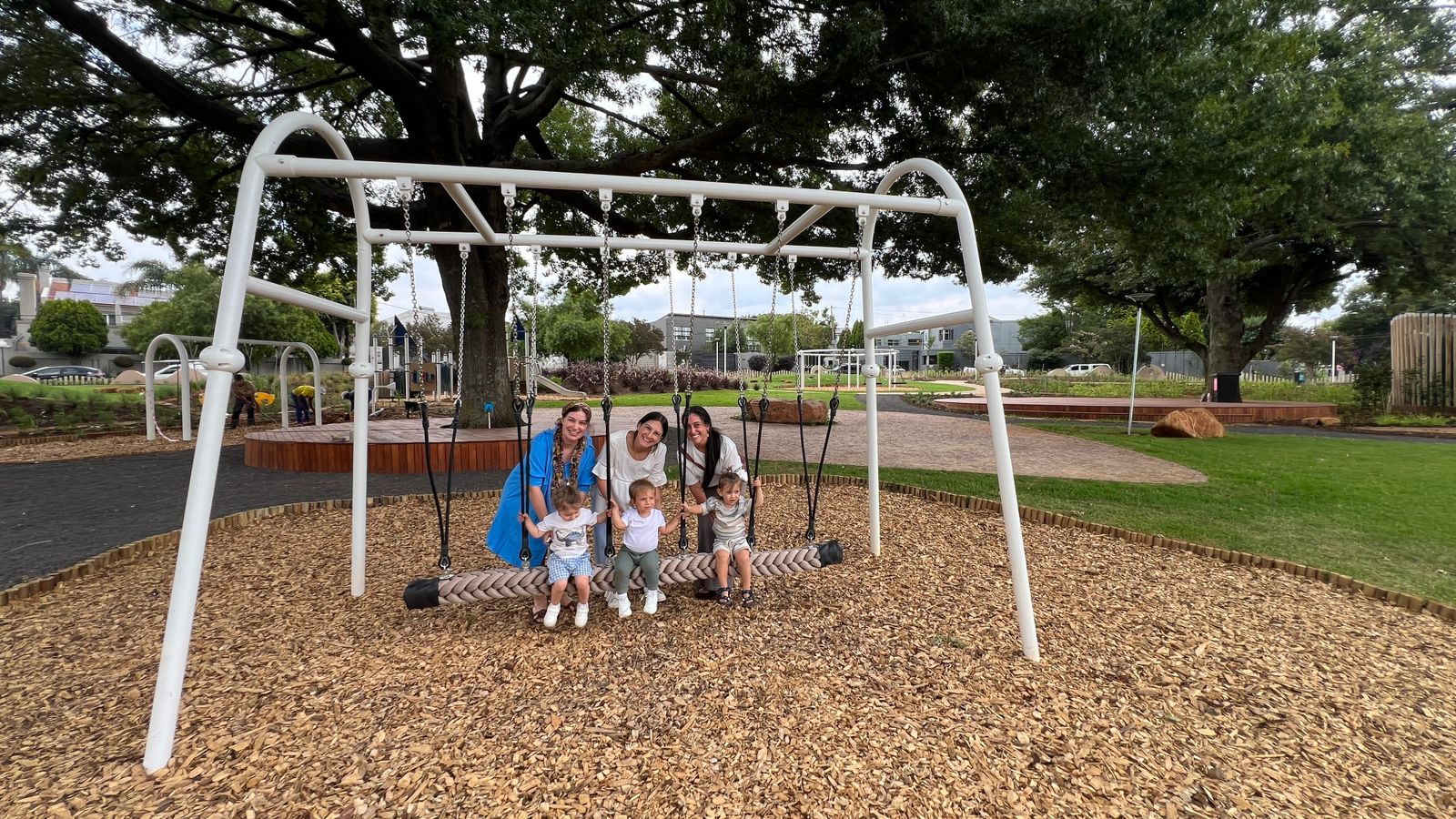
Galliot Park restoration creates green shoots for Joburg

When CAP Green upgraded Galliot Park in Glenhazel, Johannesburg, some residents assumed it was simply the adoption of a neglected public space. In a city long familiar with visible decline, another landscaping intervention didn’t immediately signal something larger.
But for Amanda Porter, chief executive of CAP Green, the project was never about grass or garden beds. “It was about sentiment,” she says. “The real danger in Johannesburg isn’t only deterioration. It’s declining expectations. When people stop expecting better, decline accelerates.”
Porter believes South Africans have gradually grown accustomed to urban decay. Broken pavements, failing lights, and unusable parks have become part of the urban backdrop. Over time, she argues, this normalisation shapes behaviour and belief.
“Our purpose is simple,” she says. “We want to inspire people to love where they live. And love requires something visible. It requires evidence that improvement is possible.”
Galliot Park wasn’t the first site CAP Green considered. It was the first where consent and community support aligned in a meaningful way. Porter describes public-space transformation as a partnership rather than a project.
“It requires courage,” she says. “You need residents who believe change is possible. You need people who can look at an overgrown field and see potential, not just for landscaping but psychological renewal.” The organisation’s strategy addresses three interconnected challenges: urban decay, crime, and hopelessness.
Porter points to a widely accepted urban planning principle that environmental quality shapes economic and social behaviour. “When public spaces are clean, safe, and activated, people respond differently,” she says. “They invest in their homes. They remain in neighbourhoods longer. They participate in local initiatives.” In contrast, decay suppresses confidence. “Vibrancy stimulates confidence,” Porter says. “And confidence is the foundation of stability.”
Crime prevention is another core component of the approach. While acknowledging the necessity of traditional security measures such as electric fencing and armed response, Porter describes these elements as reactive.
“We focus on prevention through reclaiming public space,” she says. “Research on crime prevention through environmental design shows that well-lit, well used, and well-maintained spaces reduce criminal opportunity.”
Increased visibility and consistent public activity create what she calls informal guardianship. “When families use parks, when pavements are walkable, when lighting works, public space becomes protective space,” Porter says. Yet she believes the most corrosive issue facing communities isn’t crime or decay but hopelessness. “Hopelessness changes behaviour just as powerfully as vibrancy does,” she says. “If people believe nothing will improve, they disengage.”
Visible transformation disrupts that narrative. According to Porter, when residents see meaningful improvement, they are more likely to participate in community structures, support local initiatives, and invest in their own properties. “Hope isn’t sentimental,” she says. “It’s strategic.” The emphasis on young people is central to this philosophy. Porter argues that ensuring that young South Africans believe they have a future in the country is critical to long-term stability.
“When young people believe there is a future here, they commit to it,” she says. “They strengthen schools and organisations. They build businesses. They plant roots instead of planning exits.” The redevelopment of Galliot Park was funded by private donors who believe in Johannesburg’s future.
Porter says the project required more than generosity. “It required visionaries who were willing to fund momentum, not just maintenance. People who could see beyond overgrown grass to the catalytic potential of change.”
The design brief reflected that ambition. CAP Green asked designers to create a space that conveyed warmth, dignity, and activation. “We didn’t ask them to build a park,” Porter says. “We asked them to design hope.”
For her, design functions as psychological infrastructure. The space had to invite families, runners, and children back into public life and communicate that the neighbourhood matters. Porter believes incremental fixes aren’t enough to shift public sentiment. “Small interventions maintain stability,” she says. “Bold projects create belief.”
The broader ambition extends beyond a single green space. CAP Green envisions visible transformation across Johannesburg, including pavements, lighting, landscaping, and public activation.
Urban renewal, Porter argues, cannot be passive. “It requires participation and partnership. When public space is reclaimed, cities stabilise. When sentiment shifts, investment follows.”
Ultimately, she returns to the core idea behind the project. “This was never about grass,” she says. “It’s about dignity. It’s about reclaiming public space physically and psychologically. And it’s about inviting an entire city to believe again.”





alan
March 26, 2026 at 7:20 pm
what about now doing the park next to genesis off George Avenue as that is a major arterial and impacts Glenhazel Fairmount and Sandringham