OpEds
Ancient miracles, modern resilience, keep candles burning

The Talmud (Shabbat 21b) speaks of the Greeks defiling the holy Temple in Jerusalem. Their true weapon was spiritual destruction through the spread of Hellenistic culture. Under Antiochus’s decrees in the second century BCE, Torah scrolls were burned, Shabbat, Brit Milah, and Rosh Chodesh were banned, and the Temple itself was transformed into a place of idolatry.
It’s no coincidence that Chanukah takes place during the darkest time of the year in the northern hemisphere, when the nights are longest, and this year will mark the first time since 7 October 2023, that all of the hostages are home.
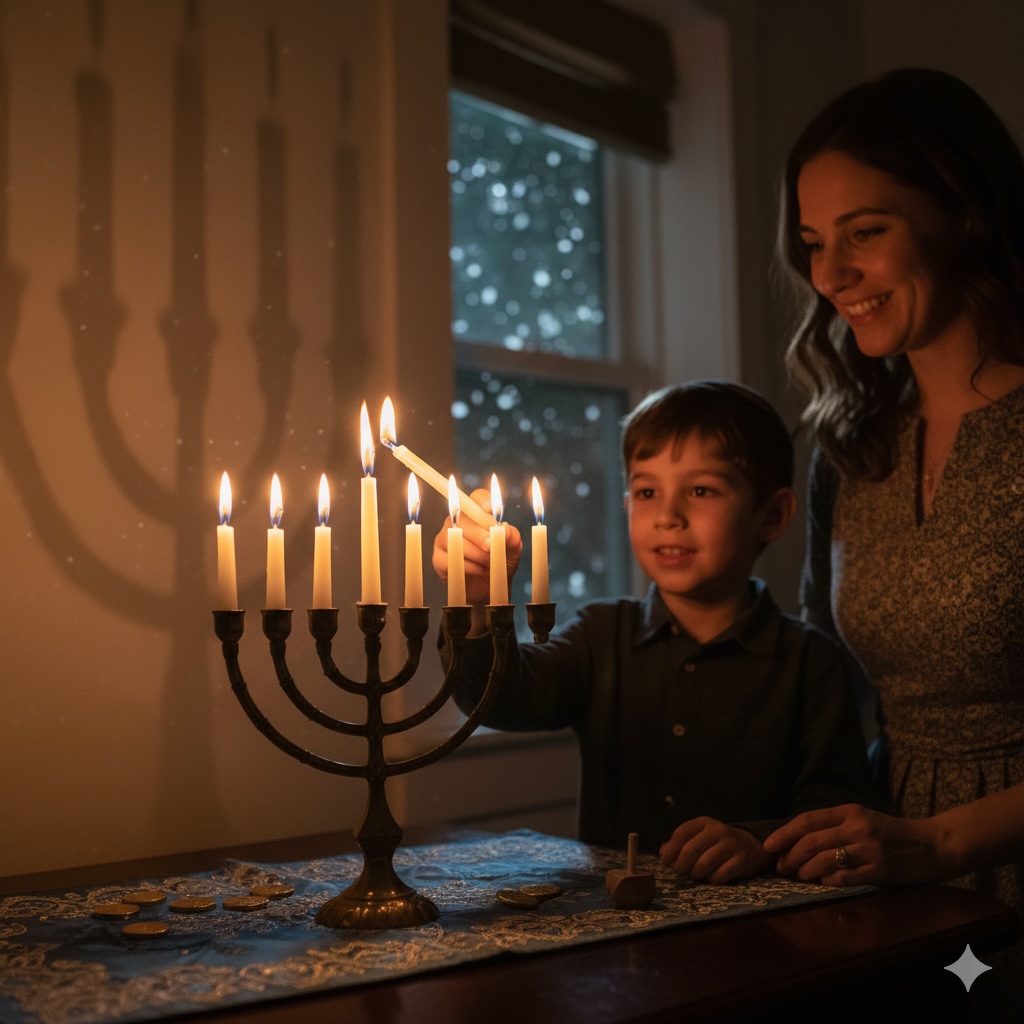
Today, when we recall the miracles of Chanukah, we thank and praise Hashem through the lighting of the Chanukkiah and by adding “al hanisim” (for the miracles) in our prayers. We remember both miracles: the single jar of oil that burned for eight days instead of one; and the military victory in which a small group of Hasmoneans defeated the powerful Greek army. A group of Torah scholars closed their holy books for a period in order to fight a battle which was required to save the Jewish world.
What is the mitzvah of lighting Chanukah candles?
Like many mitzvot, it can be performed on multiple levels. First, basic fulfilment, then mehadrin (beautifying the mitzvah) such as purchasing a more beautiful mezuzah, tefillin, or lulav and etrog. The essential mitzvah of Chanukah is fulfilled simply by lighting one candle per night; this is why, after reciting the blessings and lighting the first candle, one may already begin singing Hanerot Halalu.
Mehadrin for Chanukah means lighting one candle for each member of the household. A family of four, would light four candles each night.
Yet Chanukah holds an even higher level: mehadrin min ha-mehadrin (the most meticulous of the meticulous). According to this practice, the number of candles changes each night. Beit Shammai teaches that we begin with eight, and decrease lighting a single candle on the final night; while Beit Hillel teaches that we begin with one and increase, lighting eight candles on the last night, the universally accepted custom codified into Jewish law.
Over the eight nights, this totals 36 candles not including the shamash, which has a distinct role. Because we may not benefit from the light of the Chanukah candles, the shamash provides necessary illumination without being part of the mitzvah.
For the entire Jewish world to perform the mitzvah of lighting Chanukah candles mehadrin min ha-mehadrin, the most beautiful way to fulfil the mitzvah, as a base standard sends a powerful message. It celebrates the resilience and unity of our people, and underscores the centrality of this festival in our lives, performing mitzvot and learning Torah, the very essence of “being” and “doing” Jewish.
- Rabbi Gilad Friedman is the director of the Umhlanga Jewish Centre, KwaZulu-Natal.