


OpEds
From the darkest depths to choosing life

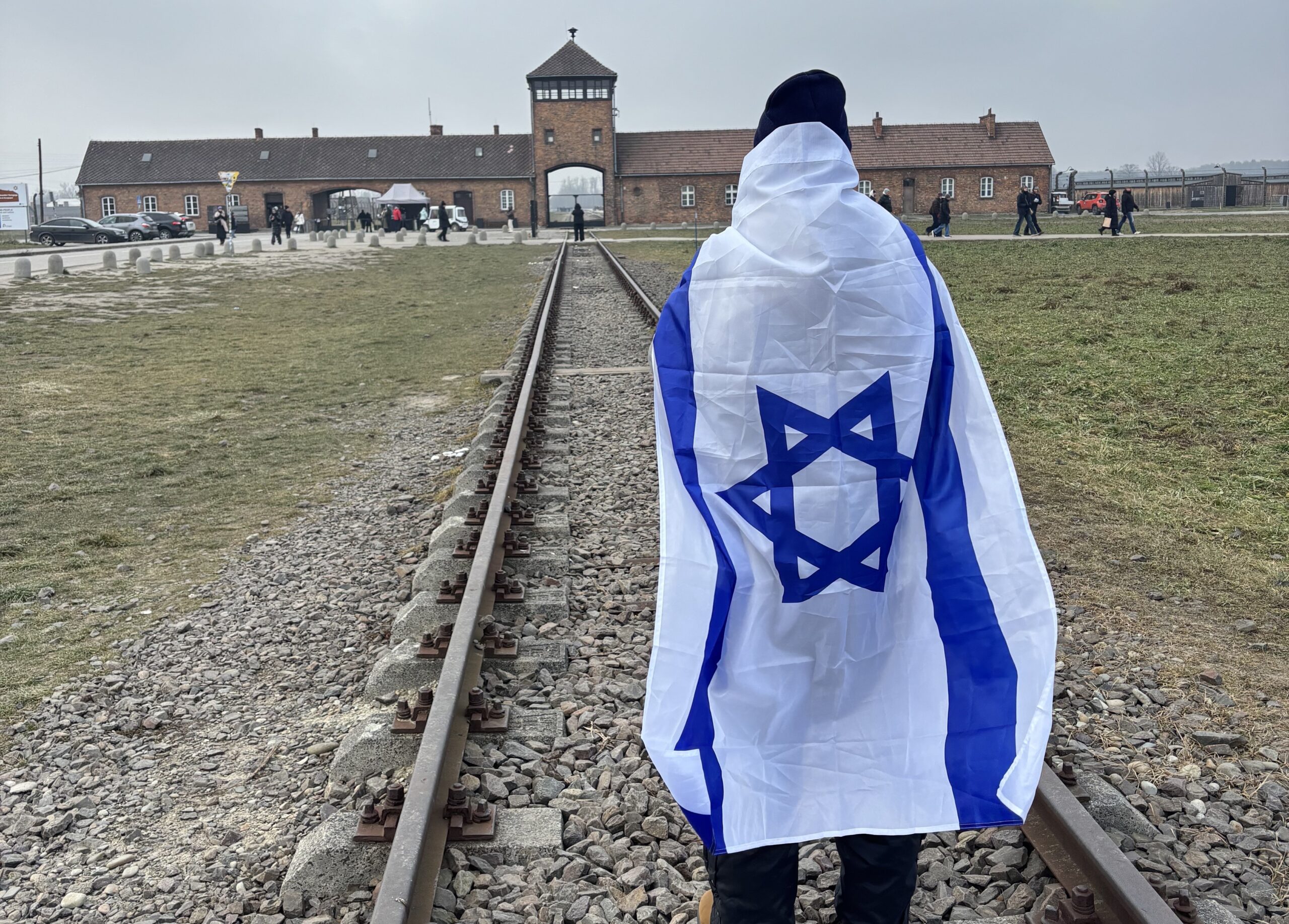
As I left Poland on 28 December 2025, I realised that this week-long trip to Poland as part of a Chabad on Campus educational journey wasn’t just about history, it was a journey into my Jewish identity and a confrontation with the darkest depths of human cruelty.
Stepping for the first time into a concentration camp caught me off guard in ways I didn’t expect. Being in a place where hundreds of thousands of Jews were systematically murdered is something no book, lecture, or documentary can truly prepare you for. The silence there is loud. It presses against you.
In Judaism, we speak of Gehinnom – a place of purification for the soul before it ascends. Standing in the camps, I felt that I wasn’t in hell, but somewhere far worse: a place created by humans, not by G-d. What terrified me most was the realisation that the architects of the Holocaust weren’t monsters with horns and wings. They were human beings – ordinary people. That truth is deeply frightening.
I don’t cry easily. But during this week, walking through ghettos, camps, and memorials, I cried many times.
I cried for the lives that once were. I cried for the lives that were taken with unimaginable cruelty. And I cried for the lives that never had the chance to be – the dreams, families, and futures that were erased.
Many times, I wanted to look away. But I forced myself to keep my eyes open. Not for my sake, but out of responsibility. The Nazis tried to erase evidence of their crimes. I refuse to let memory fade. Bearing witness is an act of honour.
The Holocaust was built on dehumanisation. Jews were stripped of their names, dignity, and humanity through propaganda and hatred. Entire systems were created with one goal: to destroy a people. No words can ever fully capture what happened there. And perhaps they aren’t meant to.
I thought of the Warsaw Ghetto Uprising – young Jews who were starving, weakened, and outmatched, yet chose resistance. I thought of those who clung to hope, and those who simply tried to survive one more day. As Viktor Frankl and Edith Eger remind us: “If you survive today, tomorrow will be better.”
Walking through Auschwitz, I cried out to G-d, asking, “Where were You?” But maybe that was the wrong question. The real question is where was humanity?
And yet, despite everything, we’re still here.
I am Eli Gerschlowitz. I am a Jew. A descendant of German and Lithuanian Jews. And I carry that identity with pride, humility, and responsibility.
This journey wasn’t meant to trap me in victimhood or sorrow. It was about honouring those who perished by choosing life. The greatest tribute I can give my ancestors is to live meaningfully, ethically, and proudly as a Jew.
We’re taught that even in the deepest darkness, our task is to bring light. That is what it means to be a Jew – to be a light unto the nations.
I came from South Africa alone, joining 80 other Jews on this trip with Chabad on Campus. From the moment I arrived, I was told by fellow students: “For this trip, you are part of our family.” Seats were saved for me. Hands were held. Souls were connected. That’s ahavat chinam – unconditional love.
In a world where antisemitism is rising again, and after events like 7 October, I ask myself: What does “never again” mean to me? My answer is: I will not live in fear. I will write my own destiny. I will choose light.
Putting on tefillin at Auschwitz – where Jews once risked everything for the same mitzvah – was one of the greatest privileges of my life. What a privilege it is to be able to live openly as a Jew! To pray freely. To keep Shabbat. To choose faith.
We left the camps singing. Not as slaves, but as a free people.
Am Yisrael Chai!
- Eli Gerschlowitz is a fourth year medical student at the University of Cape Town.