





OpEds
Apples, honey, and the courage to waggle differently

There’s something deliciously simple and profound about the way our tradition marks Rosh Hashanah. Apples and honey. Sweetness, renewal, a taste of hope on the tongue. And yet, like so much in Jewish life, simplicity is never just simple. Beneath the sweetness lies symbolism. Beneath the ritual lies resilience. Beneath the apple lies the whole orchard.
This year, as I sat thinking about what message might be fitting for the SA Jewish Report, I found myself remembering my business partner, Jacques Burger’s, story about bees that he heard from Rory Sutherland at the Cannes Advertising Festival. Jacques is chief executive of The Up&Up Group. These tireless little creatures who gift us the honey we dip our apples into. And as it turns out, those bees have something remarkably Jewish to teach us.
The waggle dance of the majority
Scientists studying bees noticed that when the time comes to leave the hive in search of nectar, about 80% of them perform a co-ordinated ritual called the waggle dance. One bee begins to sway and zig-zag, the others join in, and before long, the hive is united in one direction, flying in sync towards familiar fields.
It’s a beautiful image of collective purpose. One might say it’s the “mainstream” of bee life – the safe, well-trodden path. There’s strength in that majority rhythm. Continuity. Dependability.
But here’s where it gets fascinating: 20% of the bees don’t dance. They don’t follow the group. Instead, they fly off in search of something new. A different field. A new patch of flowers. A source of nectar yet undiscovered.
At first, the scientists wondered if these bees were just lazy non-conformists. But then they realised something extraordinary: without those 20% – the explorers, the pioneers, the hive would eventually starve. The old fields would run dry. The flowers would ultimately wither. It’s the few who strike out in courage that ensure the many can continue in abundance.
Without them, there would be no honey for the apple.
Is that not the story of the Jewish people?
For millennia we have had our waggle dance, the rhythm of prayer, ritual, tradition, and continuity. It sustains us. It binds us. It ensures that we remain who we are. But every generation has also needed its 20% – those who dared to step beyond the familiar fields. Those who pioneered new ideas, new lands, new possibilities.
Think of Abraham leaving Ur. Think of Moses departing Egypt. Your grandparents leaving Russia, Poland, Lithuania, and before that, Spain and Portugal, when the writing was on the wall. Think of all the scientists, entrepreneurs, artists, rabbis, mothers, fathers, all across time who have refused to only waggle with the crowd and instead searched for new orchards of possibility.
Without them, the hive of Jewish life wouldn’t have survived. Without them, we would have no honey to sweeten our apples.
A time of shadows, a time of light
We cannot deny that this Rosh Hashanah arrives at an unsettling time. Across the globe, antisemitism has slithered back into mainstream “respectability” with a venom we had hoped belonged only to the past. And yet, if we’re honest with ourselves, Jewish history has seldom been free of shadow. As I often remind myself, in nearly 5 800 years of Jewish life, perhaps only the past 80 have felt like a “purple patch” of relative safety following the greatest horror perpetrated against Jews in “civilised” Europe.
But here’s the miracle: even in those long centuries of darkness, our people didn’t merely survive, we thrived. We built. We learned. We sang. We wept. We started over. We started again. Over and over. The oldest hate couldn’t extinguish the oldest hope.
So what do we do in 5786? We keep waggle dancing, yes – holding tight to the rituals that root us. But we must also be the 20%: the explorers, the seekers, the stubborn optimists who refuse to let the hive wither. We venture out, we create, we innovate, and we dream new fields into being.
That’s what we owe the past. That’s what we promise the future.
The apple, the honey, and the talking snake
Of course, no Jewish New Year is complete without the apple. Smooth, round, whole. It symbolises not only sweetness, but wholeness, the hope that the year ahead will be complete, lacking nothing essential.
And yet, the apple carries other meanings too. We cannot mention it without recalling the Garden of Eden, Eve, and that infamous serpent. I heard a joke recently that made me smile: perhaps Eve hadn’t eaten an apple at all before the snake spoke – perhaps she had first eaten a mushroom! How else do you explain talking reptiles?
Humour aside, the apple reminds us that life is never simple. It’s tempting to view Rosh Hashanah as a magical reset button, a chance to leave all mistakes behind. But the truth is more subtle. Renewal isn’t about pretending that the snake doesn’t exist. Renewal is about saying: even with the serpent’s fangs, even with the forbidden bite already taken, even with history’s bruises, we still choose sweetness. We still choose honey.
Grapes, bees, and the sweetness of struggle
Last year, I wrote about grapes, and how the sweetest ones grow in the harshest conditions, producing wines of complexity and depth. It’s another metaphor for Jewish resilience: out of arid soil, beauty blooms.
This year, I see how grapes and bees connect. Grapes remind us that hardship can deepen us. Bees remind us that daring can save us. Grapes tell us that sweetness often comes through struggle. Bees tell us that the future depends on those willing to fly a different path. Together, they whisper the same message: Rosh Hashanah isn’t a guarantee of ease. It’s an invitation to courage, to creativity, to faith that the hive will thrive, that the vineyard will flourish, if only we are brave enough to keep moving.
Renewal as responsibility
The Talmud teaches us that on Rosh Hashanah, the world itself is judged. Not just individuals, but creation. The apple is not only for us, it’s for our children, and their children. The honey is not only for our enjoyment, but for the sweetness of generations to come.
In a world groaning under the weight of conflict, division, and despair, perhaps our greatest Jewish responsibility is to keep producing “honey”. To keep showing that sweetness is possible. To keep proving that despair isn’t the final word.
To do that, we need both the waggle dancers and the wanderers. We need the guardians of tradition and the seekers of new fields. We need the continuity of the hive, and the courage of the pioneers.
A hopeful conclusion
So, as we bite into our apples and dip them into honey this year, let’s taste not just sweetness but responsibility. Let’s remember the bees who dared to fly differently, and the grapes that grew sweeter in struggle. Let’s laugh at the thought of Eve and her psychedelic serpent, and remember that good humour, too, is a form of resilience.
And let’s say: we are the hive, we are the vineyard, we are the apple, and the honey. We are the people who take the oldest hate and answer it with the oldest hope. We are the 20% who dare, and the 80% who sustain, and together, we are 100% committed to life.
May this new year bring renewal not only to us individually, but to our community, our land, and to our world. May our hive thrive. May our grapes ripen. May our apples shine. May our honey overflow.
L’shana tova u’metuka – a good and sweet year to you all.
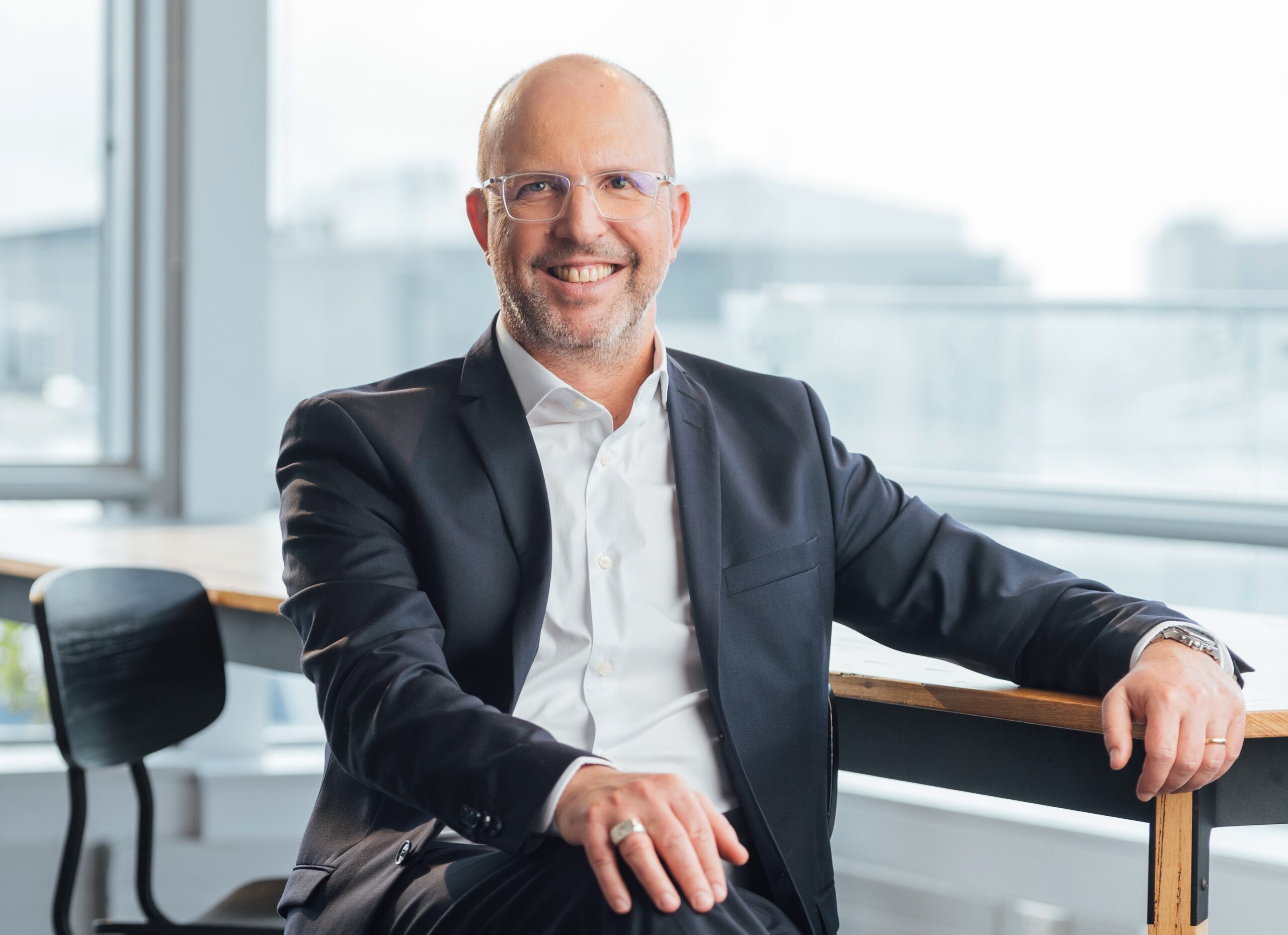
- Mike Abel is the founding partner and executive chairperson of M&C Saatchi Abel and The Up&Up Group, South Africa.



