OpEds
Who are you when no-one is watching?

A man once wrote a long anniversary tribute to his wife. It was moving, poetic, full of gratitude and admiration. Friends commented with heart emojis. Someone described it as a relationship goal. There was only one small detail. His wife wasn’t on social media. She never saw it.
The message wasn’t written for her. It was written for everyone else.
Most of us recognise some version of this because we have done some version of it. We share report cards, family photos, milestones, moments of carefully curated pride. None of this is dishonest, and much of it is genuinely beautiful. The shift happens quietly, almost politely. Without announcing it, we begin adjusting not only what we show but how we live, shaping moments so they will look right from the outside. The mask doesn’t arrive dramatically. It settles in gently, like a role we never formally accepted but keep playing anyway.
The Chassidic masters taught that on Purim, the inner world becomes the outer one. Most of the year, the face we present is partly constructed, maintained by habit, expectation, and the understandable desire to be seen well. Then Purim arrives and interrupts all of that. Not by stripping the mask away, but by making it visible. The moment we knowingly put on a costume, the performance loses its grip. We become aware of the disguise, and that awareness is precisely what frees us from it.
This is what makes Purim so psychologically brilliant. It’s the one day of the year when we put on masks on purpose. Costumes, disguises, exaggerated identities, playful performances. At first glance, it looks like the least authentic day on the calendar. Yet anyone who has watched people closely on Purim knows that it is often the most honest day of the year.
Around a Purim table, one hears things that have sometimes waited months to be spoken. Words that felt awkward all year suddenly feel natural. A little l’chaim, taken the way it was meant to be taken, softens the tight grip we usually keep on ourselves, and something unpolished but unmistakably real begins to appear. Not the curated self, but the actual one.
We underestimate how heavy a mask becomes when worn for long enough. At first, it seems useful. It streamlines social life, shields us from scrutiny, and helps us fit in. But over time, the mask does something unanticipated. It not only hides us from others. It begins to hide us from ourselves. We start relating to our own lives the way a publicist relates to a client, shaping perception, polishing narrative, quietly managing impressions. A person cannot be nourished by an image, even a beautiful one. A soul needs honesty the way lungs need air.
There’s a question worth sitting with even if we never answer it out loud. If we stopped narrating ourselves for a while, what might we notice? Without the subtle pressure to appear impressive or composed or enviably content, what parts of us might finally have room to breathe? Most of us already know the answer, because we have felt it. Usually at a Shabbos table where the phone has been left in the other room, and the meal stretches long past dessert, and somewhere between the singing and the cold leftovers, someone says something true, and it lands differently than words usually do. Or in the kind of conversation that goes on so long, we forget to monitor how we are coming across.
Purim returns each year like a gentle interruption. It reminds us that identity isn’t a brand we maintain, but a self we inhabit, given to us as both gift and responsibility. It doesn’t demand that we disappear from the modern world or abandon the tools we use. It simply invites us, quietly, to loosen the grip we keep on the story we are telling about ourselves.
There is a Purim challenge worth trying, even if only for the day. Say what you actually feel to the person who is actually there. Not for the post. Not for the caption. Don’t tell us how much you love your husband. Say it to him. Because the heaviest mask isn’t the one worn for a night. It’s the one worn while smiling for the family photo 10 seconds after screaming at them.
Chag Purim sameach.
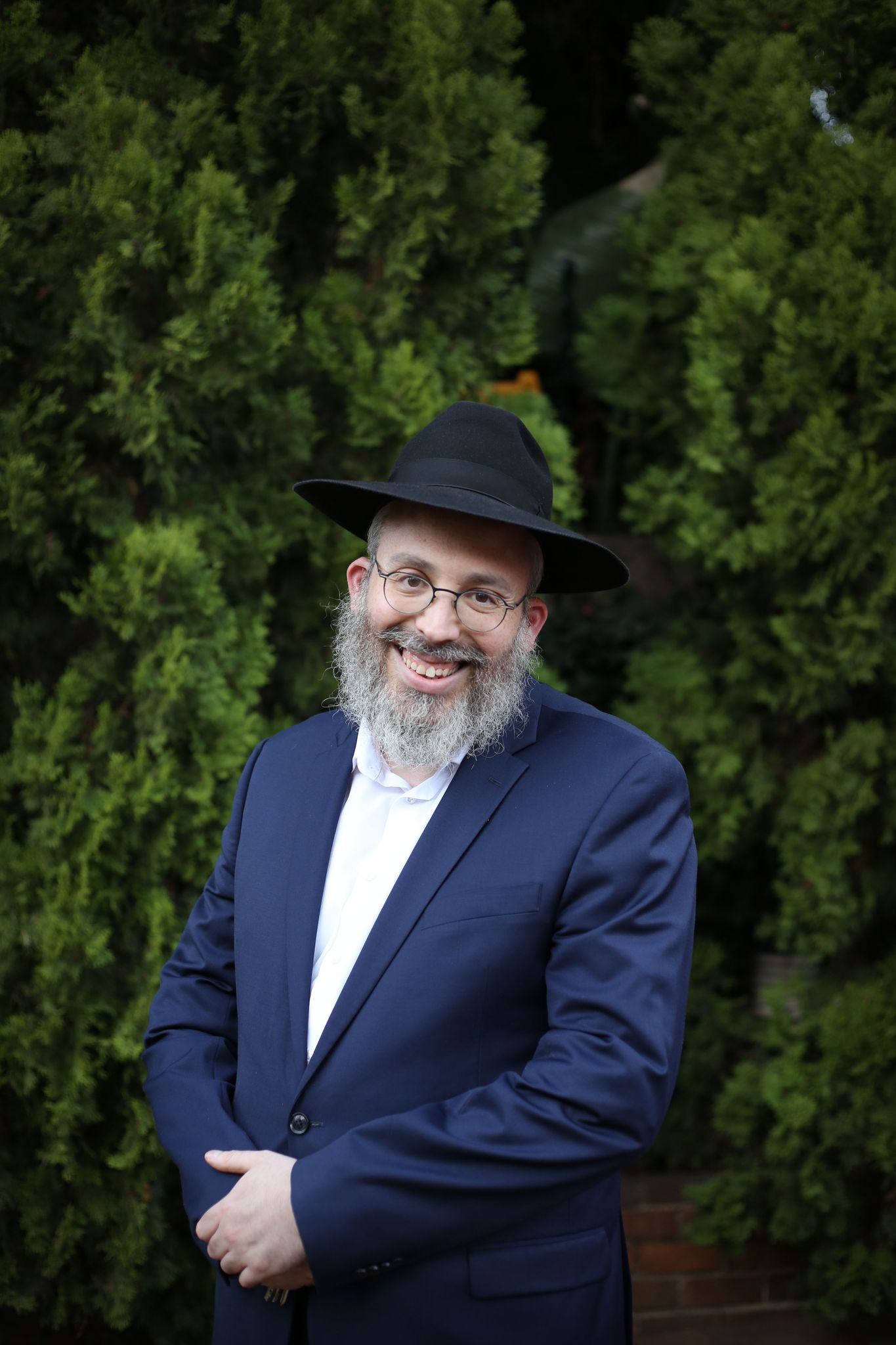
- Rabbi Levi Avtzon is the rabbi at Linksfield Shul.