





OpEds
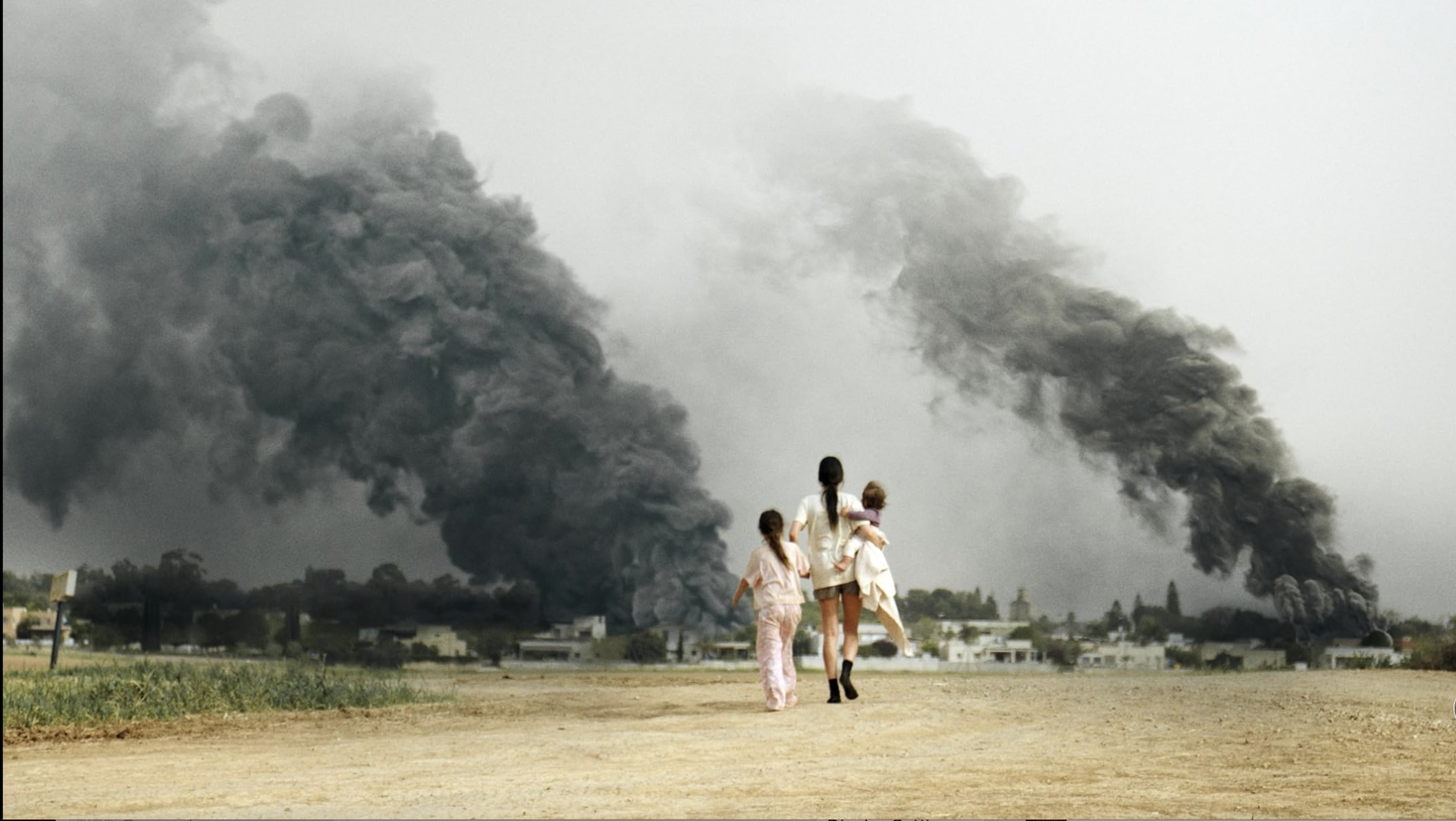
October 7 TV series – a Red Alert for Jewish nervous system

Before I pressed play on Red Alert, an Israeli television miniseries based on the 7 October 2023 attacks, my whole body paused. Not dramatically, but in that instinctive way the body freezes when it expects to be overwhelmed. The breath catches, the chest tightens, and the mind prepares for impact before a single image appears.
I have heard versions of that same pause from Jewish moms, clients, colleagues, and friends all over the world: I want to know the truth, but I don’t know if my body can handle knowing it.
As both a therapist and a Jewish mother, I felt that tension deeply. The part of me that longs to bear witness, and the part that’s afraid of what witnessing it will stir.
Watching anything about 7 October isn’t like watching a documentary. It doesn’t stay intellectual or distant, and it doesn’t feel like “history”.
We aren’t just viewers. Our bodies respond as though the story belongs to us, because in many ways, it does. It’s embodied. It’s inherited. It’s ours, living inside a nervous system shaped long before we were born.
The four-episode series moves through the day in real time: 06:29; 07:32; 10:14; 12:15. In Israel, 7 October fell on Simchat Torah and Shabbat, turning a day of joy and rest into a day of horror.
These were the moments when joy collapsed into terror and alarm, when a peaceful holiday morning broke open without warning.
Trauma researcher Dr Rachel Yehuda teaches that we don’t inherit trauma itself. We inherit the adaptations to trauma, the survival instructions carried in our biology. That’s why an image, a timestamp, or a single detail about 7 October can feel like an alarm inside the body. Our nervous systems carry echoes of the past, even when our minds insist that we are safe in the present.
Torah scholar Avivah Zornberg writes that in Jewish memory, yesterday and today are neighbours. Watching Red Alert awakens not only the present moment, but the layers beneath it, the ones we never chose but still carry. We inherit our ancestors’ blue eyes, brown eyes, curly hair, and trauma they never got to process.
As psychoanalyst Galit Atlas writes, it becomes part of our “emotional DNA”. And it wakes up when we witness stories like this.
But it’s not only pain that gets passed down. We inherit resilience. We inherit intuition, vigilance, and courage, the strengths that helped our ancestors survive. It is not only what hurt them that lives in us, it’s also what saved them. When someone tells me, “I cannot watch it,” I don’t hear indifference. I hear wisdom.
Avoidance is a nervous-system strategy, an attempt to stay functional when we are already overwhelmed. For many Jews today, our baseline is high. Our stress response has been active for too long. Avoidance says, “I need to stay present for my children. I cannot absorb more pain. My body is already at capacity.” This isn’t weakness. It’s the body trying to protect us.
And yet, many of us still feel pulled to witness. We feel responsible to truth, to memory, to our people. This creates the impossible in between: I cannot watch. I cannot not watch. Both are human. Both come from care.
If you choose to watch, grounding yourself before and after makes a real difference. Before you begin, put both feet on the floor, and let your body feel supported. Inhale for four counts, hold for one, and exhale for six. Press your fingertips together. Look around the room, and name five objects you can see. Place your hand on your heart and your belly, and say quietly, “I can watch this without abandoning my own body. I’m safe in this moment.” You can pause the documentary at any time, and return to your breath. Grounding isn’t weakness, it’s resilience.
When you finish watching, give your body a soft landing. Feel your feet on the floor. Take one slow exhale. Name five things you can see. Place your hand on your heart and say, “I’m safe in this moment. My feet are on the ground. I can come back to myself.” This brings the nervous system back to the present, and reminds the body it’s safe enough to settle.
Elie Wiesel wrote, “To forget the dead would be akin to killing them a second time.” For many Jews, watching Red Alert isn’t about curiosity or shock. It’s about responsibility. We watch because truth matters. Memory matters. Our people matter.
Our children will ask. History must be documented. Silence is dangerous. We watch because this didn’t happen to strangers. It happened to us.
But watching doesn’t mean sacrificing our well-being. It means showing up with compassion for our own bodies and respect for the truth. For Jewish mothers, this is especially complicated. We hold our children’s questions and our own heartbreak. We carry the past and the future at the same time. Watching Red Alert feels like opening a door we want to keep shut for our kids.
Yet the pull to witness remains, because motherhood is memory, responsibility, and love.
Holocaust survivor, psychologist, and author Dr Edith Eger writes, “We can face the truth without letting it imprison us.” That’s the work Jewish mothers do every day, holding truth with tenderness, fear with strength, and grief with so much love.
We don’t watch because we’re unbreakable. We watch because we’re connected. Because these are our people. Because memory is sacred. Because hope is an act of resistance. Whether you watch or choose not to, you’re still part of this story and part of this people, held by the same collective heart.
Hope is in the way we tuck our children in at night; in the way we teach them who they are; in the way we hold fear and love at the same time.
May that hope carry us forward with strength.
- Dana Cohen is a therapist, speaker, and Jewish advocate specialising in trauma, identity, and eating disorder recovery.



