OpEds
Too soon, too painful? Why we watch 7 October films

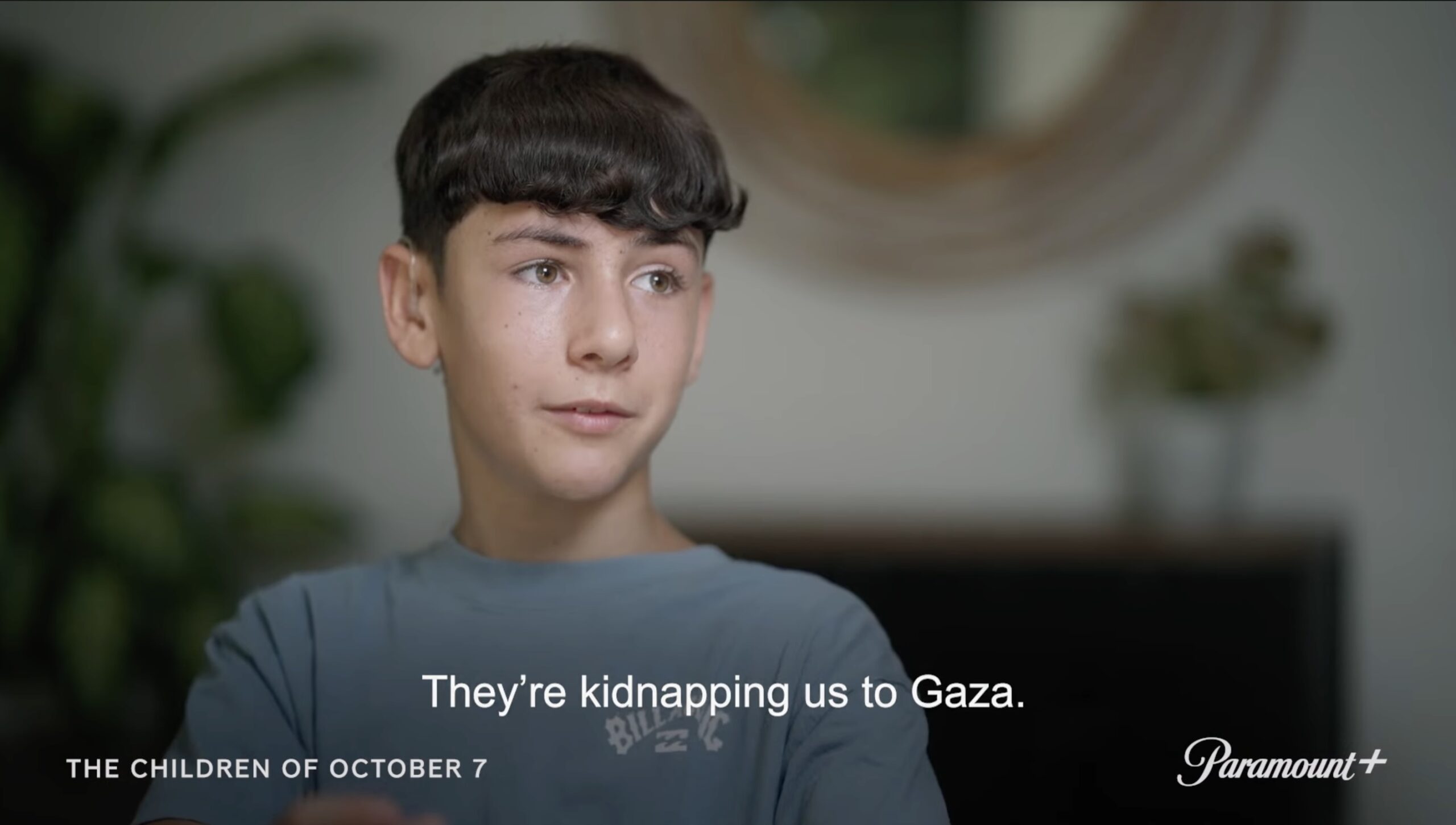
People often ask why filmmakers are already creating movies about 7 October 2023. They ask why anyone would want to relive something so devastating. Within the Jewish community, this question carries real pain. The trauma of that day still sits just beneath the skin, and for many of us watching it unfold on a screen feels almost unbearable, like reopening a wound that never truly healed.
Yet we make these films. And people continue to watch them.
To understand why, we need to look at how humanity has always processed its darkest moments. After World War I destroyed an entire generation, filmmakers used storytelling to make sense of the chaos. Holocaust films were created not to entertain, but to preserve truth and confront the attempt to erase an entire people. Global tragedies like the Rwandan genocide, apartheid, and even natural disasters such as the Thailand tsunami have all been explored through cinema. Storytelling is how societies process trauma. It’s how we turn grief into memory and meaning.
7 October is no different.
For filmmakers, creating these narratives is a way to face what feels impossible to comprehend. It allows us to study the moment closely and ask the world to truly see what happened. When done with integrity, the purpose isn’t to exploit, it’s to tell the truth.
So who are these films made for?
They are made for a global audience which wants to understand more than what the headlines reveal. They are made for history, so that the emotional reality of the moment isn’t lost. They are made for future generations who one day will ask what it meant, and how it changed us. Cinema becomes a vessel that carries memory forward.
Most importantly, these films are made for us as a Jewish people. Even when they hurt to watch. Even when they feel overwhelmingly close. Even when they take our breath away.
7 October enters a long line of moments in which others tried to silence or erase us. From ancient expulsions to Russian pogroms; from the Holocaust to modern terrorism, our story has always included attempts to break us. Yet we’re still here.
Telling these stories is part of our survival. We tell them to educate the world, but also to teach our children and their children. We tell them to protect truth in an age where truth is constantly challenged. We tell them because every generation of Jews has faced those who wished us gone, and every generation has risen again.
These films aren’t easy to watch and they aren’t meant to be. When trauma is portrayed with respect, it unsettles us, but it can also strengthen us. It reminds us that Jewish survival isn’t an idea. It’s a lived reality filled with courage and resilience.
Movies about 7 October may feel too soon and too painful, but they ensure that this moment becomes part of the moral record of our time. They help us honour those we lost; and they help our children understand both the pain and the pride of being Jewish.
If telling these stories ensures that the world never forgets, then perhaps that’s reason enough for filmmakers like me to keep making them.
- Adam Thal is a multi-award winning South African filmmaker and executive producer, who is known for bringing powerful human stories to global audiences.