OpEds
Rise in antisemitism tests resolve, but we remain unbowed

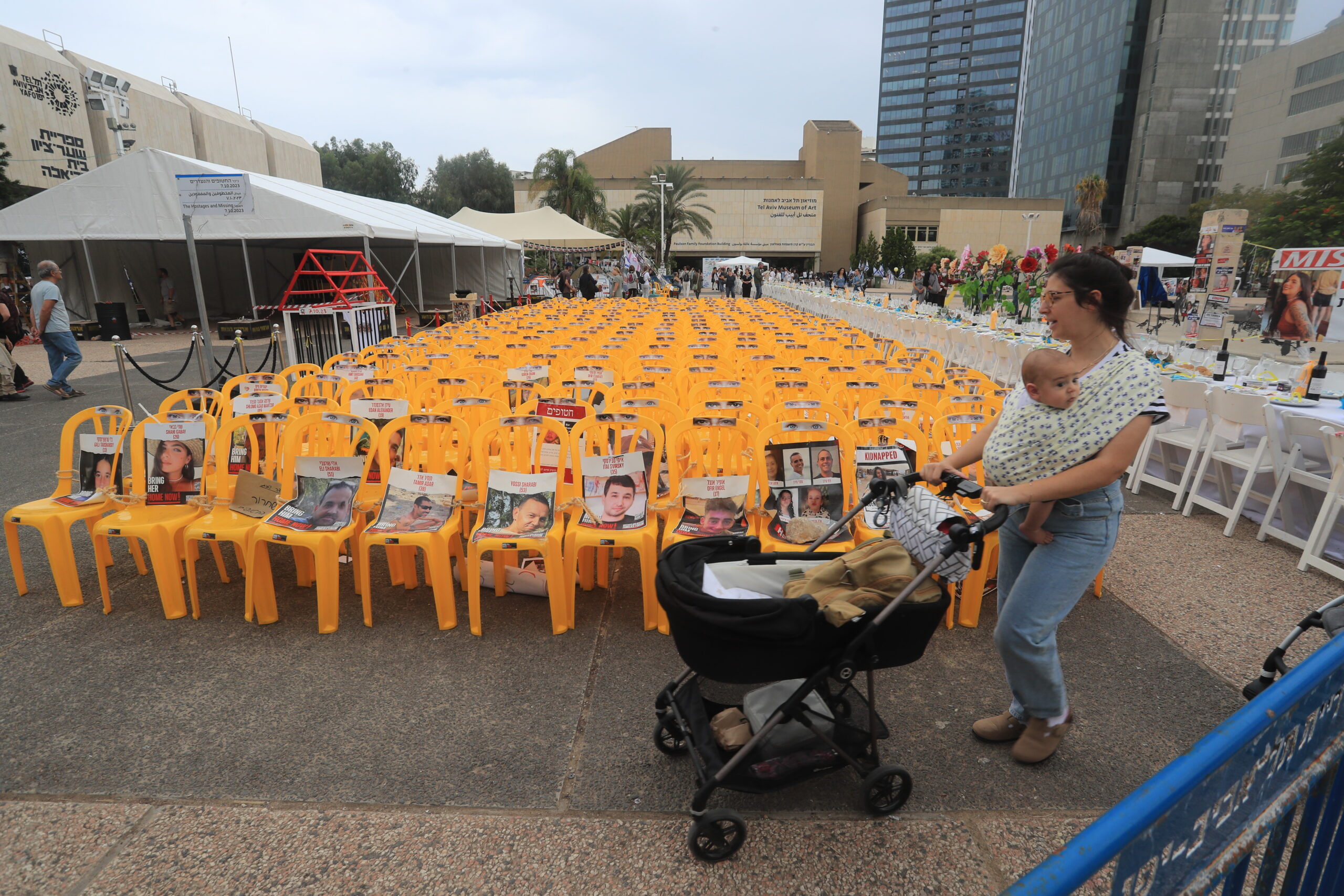
There’s no doubt that the events of 7 October 2023 have had an impact on Jewish communities around the world, whether in Israel, Europe, the United States, or even South Africa.
Last month, I attended a World Jewish Congress conference for my counterparts from 50 international communities in Bratislava, Slovakia. I sat aghast, and at times in tears, as I listened to the stories of Jewish individuals and communities targeted, harassed, and demonised over the past two years.
The surge in violent antisemitic incidents even in previously philosemitic countries such as Australia and Canada has been devastating. Shuls and kosher restaurants have been firebombed; Jewish people assaulted on their way to shul as occurred in Manchester over Yom Kippur; and acts of vandalism, intimidation, and threat have proliferated. Jewish university students in the United States and Europe have faced frightening displays of hatred, as documented in the film October 8, which we will screen in South Africa at the end of October. And then there’s the profound trauma endured by Israelis in the wake of 7 October.
South African Jewry hasn’t been immune. Though our levels of antisemitism have reduced drastically from the spike we saw in the months following 7 October, our community continues to experience hideous intimidation and threats.
Over the past two years, the South African Jewish Board of Deputies (SAJBD) has assisted community members whose businesses have been singled out for boycott; supported professionals and academics who have been targeted, isolated, and intimidated; and stood by Jewish nongovernmental organisations who have likewise been subjected to the ire of these hateful groups.
Once again, the Boycott, Divestment, Sanctions (BDS) coalition has shown its contempt for Jewish South Africans who refuse to subscribe to its anti-Israel narrative. Some of these individuals and their families have been doxed and harassed on social media. BDS’s refusal to afford Jewish South Africans their constitutional rights to freedom of association, belief, and religion violates the basic tenets of our democratic South Africa.
The SAJBD has given these individuals and groups media, social media, legal, and at times even psychological support.
The zeal with which the African National Congress (ANC) government turned against Israel has also had an impact on our community, culminating in the closure of our embassy in Israel. While this was a virtue signalling action by the Cyril Ramaphosa/Naledi Pandor leadership, its effect has been felt by Israel and disproportionately by Jewish and Christian South Africans living in or visiting Israel. South Africans needing passport renewals; emergency passports; birth certificates; and death certificates turned to us for help, as did rabbis and Jewish educators needing to apply for visas, a process which has a direct impact on the functioning of our schools and shuls.
We have worked with the Department of International Relations and Cooperation (Dirco) and the Department of Home Affairs to find ways to assist those in need. But when the Iran war began, the lack of consular support became even more pronounced. South Africa offered consular assistance to those in Iran and not to those in Israel. Realising that Dirco wouldn’t step in for those stranded in Israel, we arranged repatriation flights with the help of Ethiopian Airlines.
We also addressed the moral issues. In the weeks after 7 October, the silence from the then ANC government was deafening. Thankfully, some of the opposition parties, who have since joined the government of national unity, stepped forward to support our community; to condemn the brutal Hamas attacks; and express sympathy for Israel and the South Africans killed on the day.
We lit up Ponte in an Israeli flag following the massacre; organised hostage-awareness events on the Nelson Mandela Bridge and beach in Durban; held a protest outside Cricket SA when the organisation demoted Captain David Teeger; and held a teddy bear protest outside the South African Broadcasting Corporation when it allowed a Hamas spokesperson to go unchallenged, saying that there were no child hostages.
We also protested against then International Relations Minister Pandor, who called for the antisemitic protests in the US to come onto our campuses. We have taken up issues of antisemitism in the courts and at the Human Rights Commission; with employers; and with university administrations. We will ensure that our community’s right to be protected against hate is upheld.
While some anti-Israel groups work feverishly to discredit and demonise our precious Jewish community, we will continue to uphold our religious and civil rights as we have done for 122 years.
At the time of writing, we are feeling optimistic that a ceasefire will be agreed to and that the hostages, alive and deceased, will be returned to their families. Though the pain of 7 October and the two horrific years that have passed will never leave us, we hope that some healing will be possible for those in Israel and throughout the diaspora.
- Wendy Kahn is national director of the South African Jewish Board of Deputies.