


World
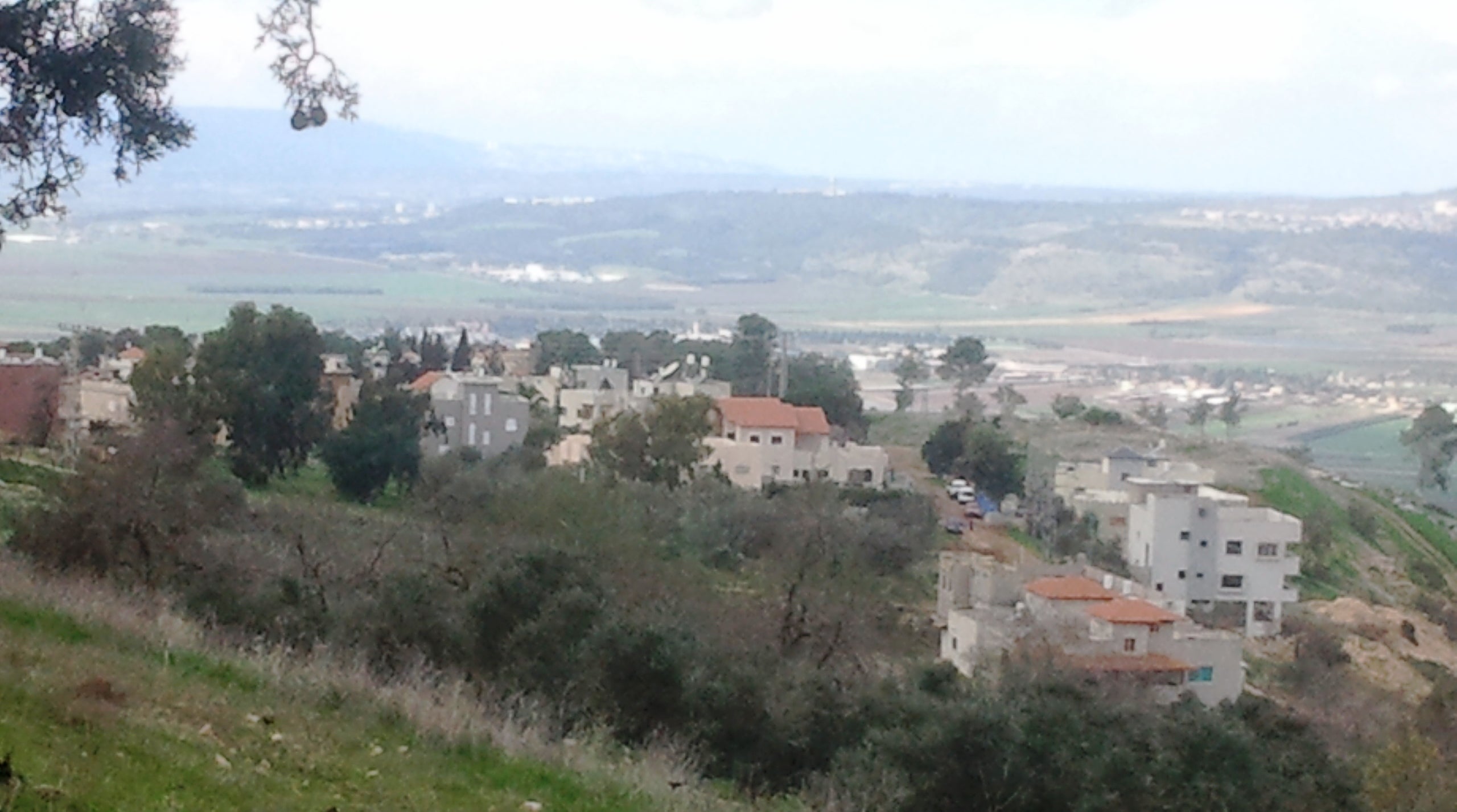
Suspected arson attack on mosque in northern Israel; Arab lawmakers blame incitement.

JTA – A mosque was set on fire in an alleged arson attack in the Arab village of Ed-Dahi in northern Israel on Thursday morning. Hebrew graffiti reading “Tefillin revenge” was found on a nearby wall, according to Israeli police.
Police said large numbers of officers were deployed to the scene and were conducting searches to identify suspects.
The investigation is being conducted in cooperation with the Shin Bet, Israel’s internal security agency, a move that, alongside the graffiti, suggests authorities are examining the possibility of a nationalist motive.
Footage published by Israeli media showed three masked individuals approaching the mosque, each holding what appeared to be a bottle. A short time later, the three were seen fleeing the scene.
“Israel Police views any attempt to harm religious symbols with the utmost severity and will act resolutely and without compromise to bring those responsible to justice,” the police said in a statement.
Sheikh Khaled Zubi, the mosque’s imam, told Israeli media on Thursday morning that he discovered the fire when he arrived for morning prayers. The arsonists had broken a mosque window and thrown a Molotov cocktail inside, he said.
“Fortunately, we managed to arrive and put out the fire,” Zubi said. “We are asking the police to catch these terrorists.”
The attack has prompted speculation that it may have been an act of retaliation for an incident last month in Afula, a predominantly Jewish city near Ed-Dahi. A 15-year-old allegedly broke into a synagogue there and desecrated religious texts. The indictment alleges that the attack was motivated by antisemitism.
The inscriptions near the mosque included “Revenge”, “The whole country is a front”, and the name of Yehuda Sherman, a young man who was killed when he was hit by a car in the West Bank last March.
Israeli politicians from Arab, left-wing, and centrist parties were quick to condemn the mosque arson, while some also used the incident to criticise Prime Minister Benjamin Netanyahu.
Mansour Abbas, a lawmaker who heads the Ra’am party, described the arson as a “hate crime, an act of terror, and a desecration of a holy site” in a statement to the media.
“Giving legitimacy to violence against Arab society puts human lives at risk,” Abbas said, accusing Netanyahu of inciting violence against Arab citizens of Israel. Netanyahu and his Likud party have referred to Arab politicians as terror supporters.
Netanyahu is leading Israel while his main rival, Gadi Eisenkot, attempts to cobble together a coalition. Eisenkot’s bloc of Zionist parties combined with predominantly Arab parties garnered 67 of 120 seats in the 27 October elections. Netanyahu’s Likud party-led bloc has said any coalition including the Arab-led parties would be dangerous and illegitimate.
Ahmad Tibi, a parliamentarian and one of the leaders of the predominantly Arab Joint List, also blamed Netanyahu for the attack, saying the mosque had been set on fire by people “poisoned by the incitement of Netanyahu, ministers, and members of Knesset against the Arab public”.
Yair Golan, a parliamentarian and head of the left-wing Democrats party, said in response to the arson that “every moment this government remains in power puts human lives at risk”. He pledged that a future government including his party would crack down on “Jewish terror” and restore security to all Israeli citizens.
Yair Lapid, head of the centrist Yesh Atid party, also condemned the attack, calling it “a heinous hate crime” and saying that “it is neither Jewish nor Israeli”.
Netanyahu has not commented on the fire.