


OpEds
We are still with the recovering soldiers

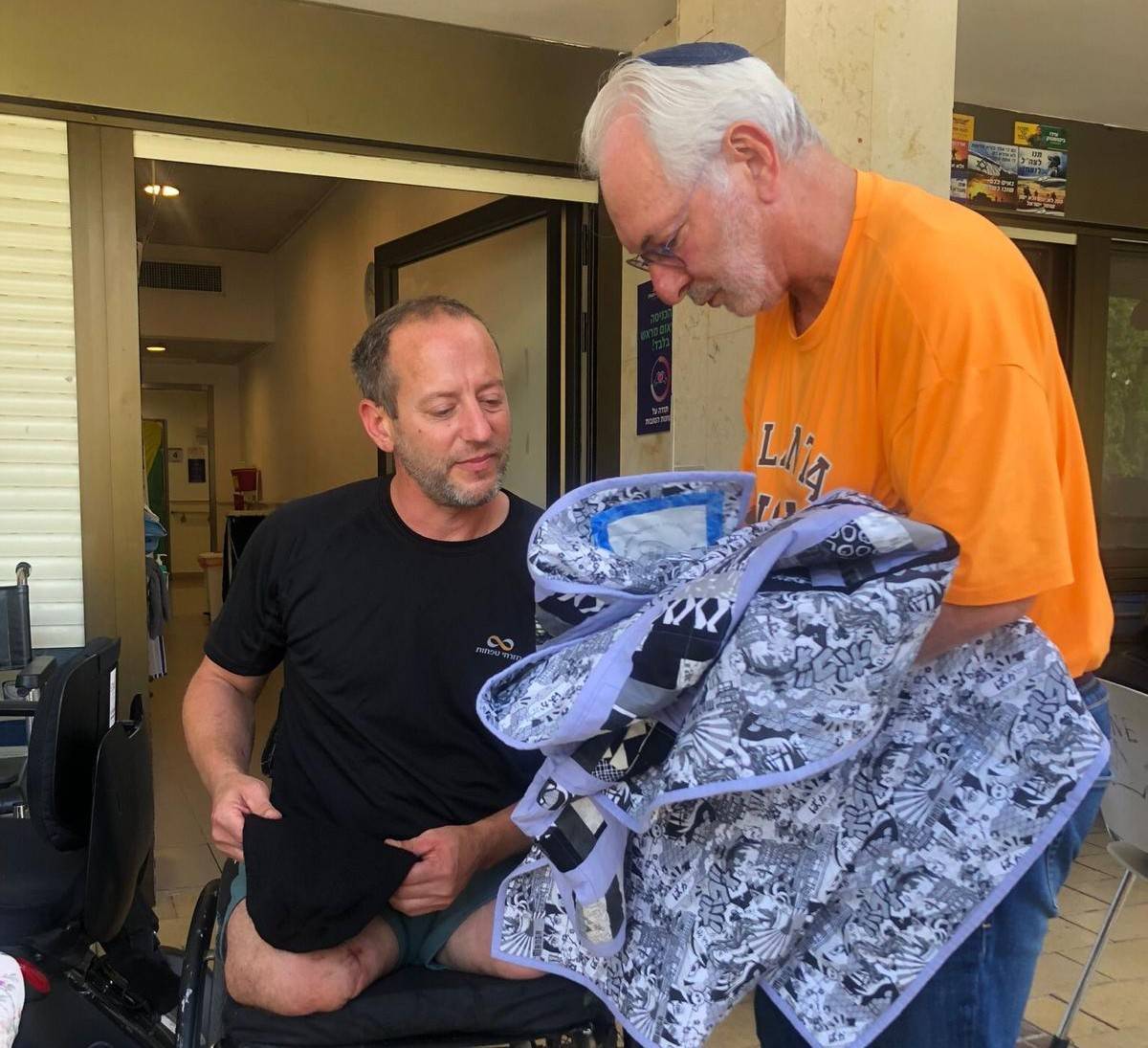
When I saw Boris Shtonda complete the Ironman World Championship in Kona, Hawaii, I thought back to the rehabilitation hospital where we first met. Boris had lost a leg fighting in Gaza and on the day we met, he was adjusting to the new prosthetic. Now he has completed one of the world’s toughest endurance events. I felt an enormous rush of joy, awe, and pride.
Across the corridor from Boris had been Elisha Medan, who had lost both legs. This week, he became a member of the Knesset. Two men we met in hospital, with injuries that had changed their lives, have reached extraordinary milestones.
And one small detail still makes me smile: they loved biltong.
But another conversation during that visit has stayed with everyone who was in the room.
We met a soldier from an elite unit, a father of young children. He was among the first to arrive at Kfar Aza on 7 October. He lost friends and had been shot multiple times, suffering critical wounds that left him paralysed.
What did he want to ask us? Why weren’t more South Africans making aliya? Israel was the only place to live, he told us. It was ours.
Coming from him, those words carried a weight I cannot adequately describe. Here was a man whose life and family had been profoundly affected by his service speaking with such conviction about our shared home.
Those of us in that room will never forget his words. Nor must we forget what he, and so many others, continue to face.
We celebrate achievements like Boris’s and Elisha’s with enormous pride. Yet these milestones do not bring rehabilitation to an end. Our wounded soldiers are still living with life-changing injuries, alongside the demands of raising families, studying, working, and finding their way forward.
Thanks to our generous donors, Telfed has provided direct financial assistance to 70 critically wounded soldiers in severe financial need. We have also provided scholarships to help wounded soldiers rebuild their futures through education, and donated rehabilitation equipment to facilities across Israel.
These are practical ways to stand beside people who have given so much. Their needs continue long after a hospital visit or a moment in the headlines.
I often think about that father’s words, and about the two men across the corridor who loved biltong. Their journeys continue, as do those of hundreds of soldiers who still face a long road to recovery. At Telfed, we haven’t forgotten them or their families.
- Maish Isaacson is the chairperson of Telfed.