


Israel
Voting so vital it’s worth a flight home

For some Israelis living in South Africa, voting in this election meant spending thousands of rands, crossing continents, and returning to a country whose future they believe is too important to leave to others.
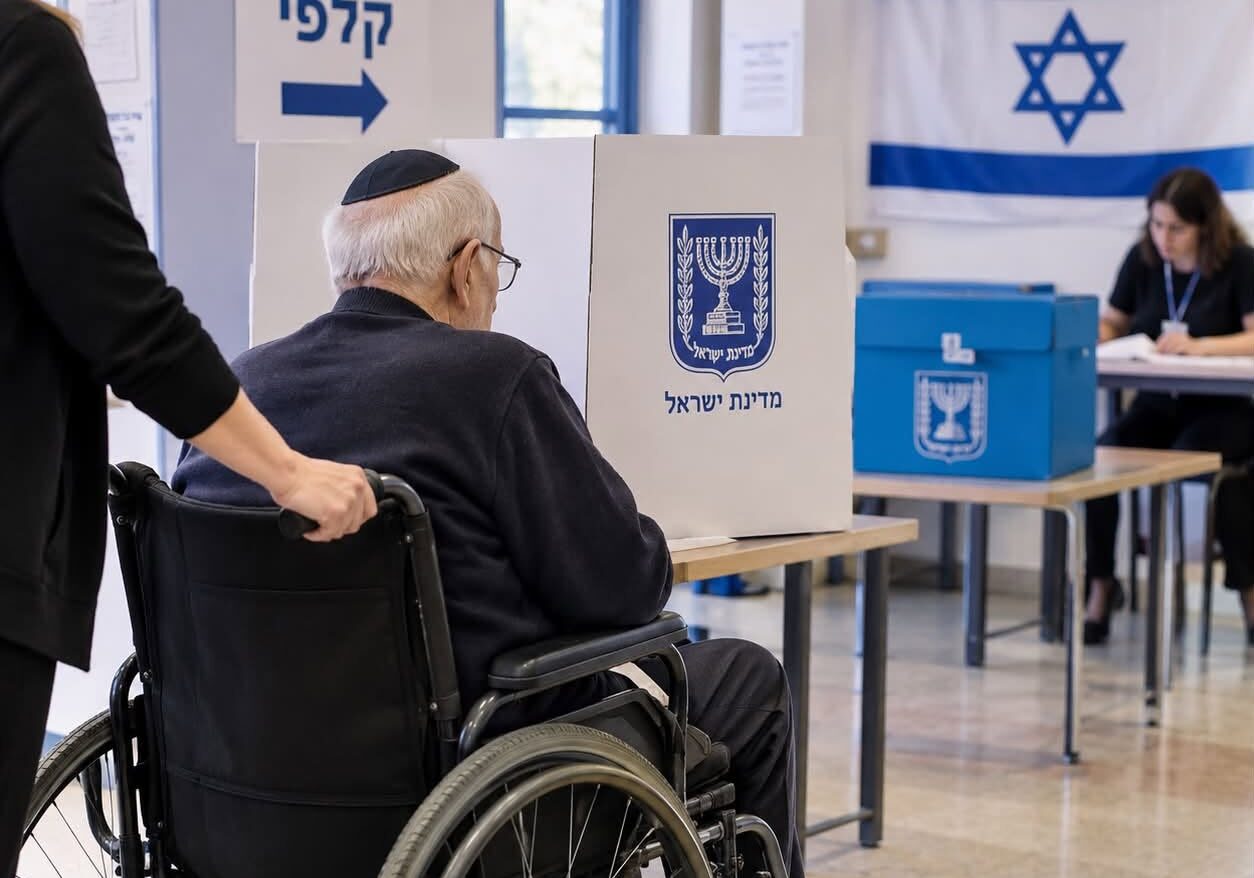
As Israelis headed to the polls on 27 October, three people who made the journey from South Africa to vote described why they believed participating in the election was worth the cost and effort. Their reasons ranged from a desire for political change to concerns about national unity, military service, and the future of generations to come.
For Kelly Melnik, a Cape Town resident who has lived in South Africa for 14 years, returning to vote was never in question. “I‘m Israeli, so I have to do it. There was no question.”
Melnik, who is involved in the local Jewish community through the Women’s International Zionist Organisation, said this election felt particularly important. She has two children in South Africa but remains closely connected to Israel and its future. “It’s the future of my kids, of my grandchildren, and for the future of them, for all of us, we need to come and vote,” she said.
Melnik has returned to Israel to vote before, but said this time felt different. She booked her flights as soon as the election date was announced, allowing her to plan ahead. She said some hotels had offered special discounts to people travelling to vote, and she planned to stay for a few days rather than her usual week-long visit.
Among the issues shaping her vote were the need to investigate the failures surrounding the war that began three years ago, the question of equal military service, and Israel’s economic situation. She also wants to see a change in the country’s direction. “We need something different,” she said. “Peace, quiet.”
For Melnik, the election was about more than domestic politics. She believes the consequences extend to Israelis and Jews living outside the country. “We don’t need to be afraid anymore,” she said, describing her hope for a more united Israel and a new beginning.
Naomi Hadar, who was born in Israel and moved to South Africa after the end of apartheid, also believes voting is both a right and an obligation. Hadar returned to Israel for a conference and arranged to stay for the election before returning to her work as chief executive of African Friends of Sheba Medical Center. Her career has kept her closely connected to Israel, including through efforts to strengthen medical cooperation between Israel and African countries.
Hadar believes Israel’s future matters to Jewish communities worldwide, particularly given the history of the Holocaust and the importance of having a Jewish State. “The future of Israel for us, for our kids, our grandchildren is the most important thing and for the Jews around the world,” she said.
Hadar is particularly concerned about divisions within Israeli society. She wants a government that prioritises citizens over political interests and believes national unity is essential. “The division between us is the worst thing that can happen to us,” she said. “Nobody can destroy us when we are strong and when we are united.” She also believes military or other forms of service should be shared more equally across society.
Hadar said the journey home was more expensive than her previous trips, particularly the return flight. She hoped the election would attract a high turnout and give Israelis a meaningful say in their country’s direction. “You can’t sit and wait for the other to change or to support,” she said. “You have to be part of it.”
For a younger voter, the decision to return to Israel is also tied to experiences that have shaped his life since 7 October.
After completing his military service in August 2023, Guy*, 24, had planned to work and save money before travelling. The Hamas-led attacks on Israel on 7 October changed those plans. He was called up for reserve duty and has returned to serve several times since. “It feels like I never stopped serving in the army and like I never completed my military service,” he said.
Guy had delayed travelling because he felt he needed to remain available if Israel required him. Eventually, he decided he had earned a break. When the election was announced, he arranged his trip around the voting date. “I felt like I had earned enough and been through enough to deserve a trip, so I booked my flights and made sure that I could be back in time to vote,” he said.
He had been travelling around southern Africa before flying from Johannesburg, via Addis Ababa, to Israel to vote.
Despite the time he has spent serving, Guy said he saw voting as another way to contribute to his country. “Voting is the single most important thing anyone in Israel could be doing today,” he said. “Nothing else matters. It’s about the future of my homeland.
“Israel needs a big change and new ideas,” he said. “The old guard need to be replaced and held accountable.”
For these three voters, distance has not diminished their connection to Israel. Instead, they believe living abroad makes it no less important to take part in decisions affecting the country and its people. As Hadar put it, voting is not simply a right to exercise when convenient. It is a responsibility that requires participation.
*Interviewee has requested anonymity for privacy reasons.