





Lifestyle/Community
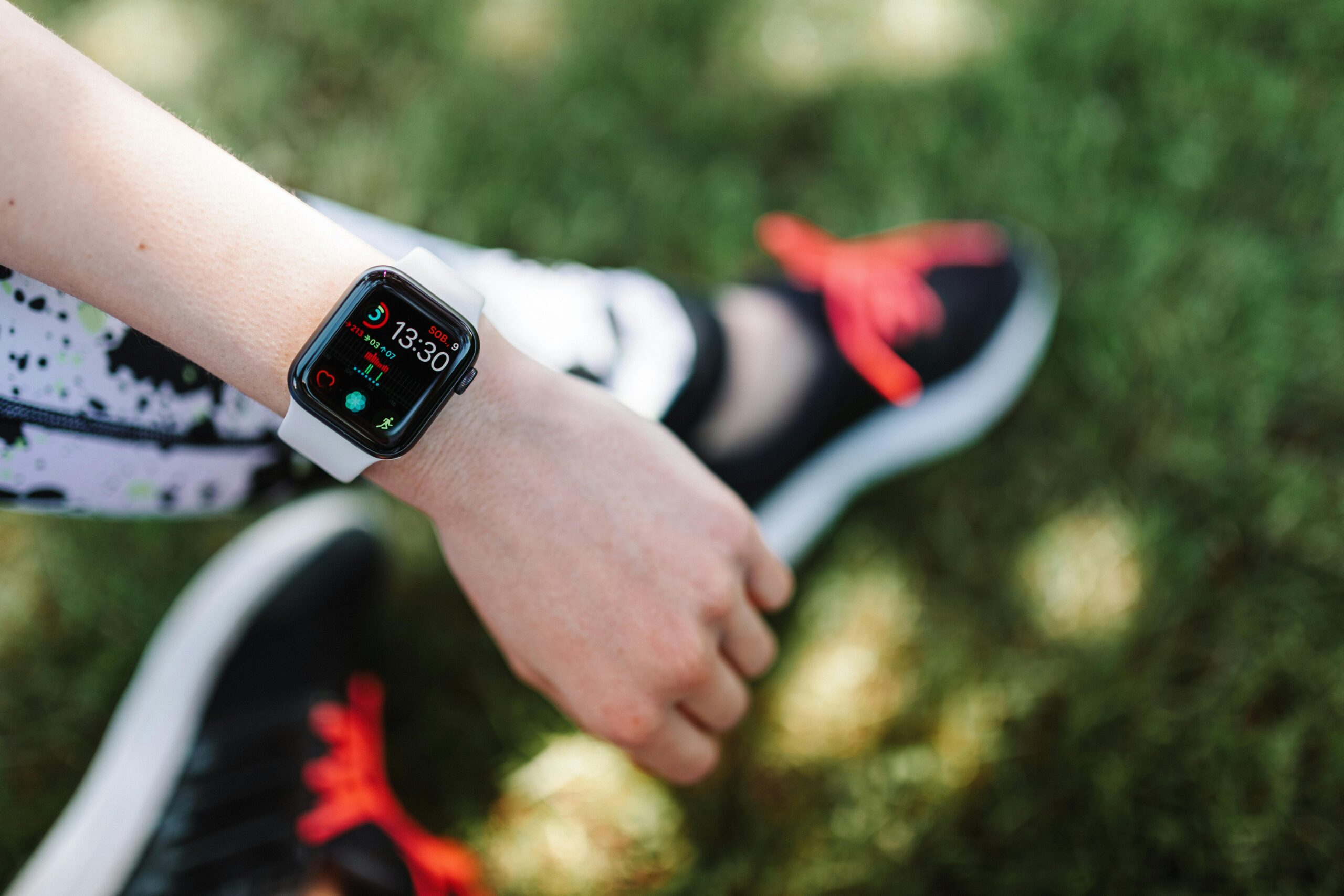
When exercise tracking takes a toll

If it becomes more about breaking down the numbers than building up your fitness and well-being, monitoring your exercise habits can become obsessive. While the proliferation of fitness tracking tools can serve as effective motivation for sustaining your workout routines and goals, they can also lead to unhealthy behaviours.
Wearable fitness technology and apps like Strava – a social fitness platform that enables people to track, analyse, and share their running, cycling, and other workouts with a community – have transformed exercise habits. “On the positive side, they’ve increased awareness, accountability, and consistency,” says private mobile personal trainer Evan Hesselberg. “People are more likely to move when they can track their steps, heart rate, or sleep, or earn rewards like Discovery points. Gamification has made fitness engaging and measurable.”
The downside is that exercise has become highly data-driven and externally validated, he says. “Instead of training based on how they feel, many people now train based on numbers – calories burned, pace, weekly mileage, streaks, or leaderboard rankings. For some personalities, especially competitive or perfectionist types, this can shift exercise from something nourishing to something compulsive.”
Clinical psychologist Lauren Jacobs agrees. “Moving our bodies is a necessary and positive part of life,” she says. “Yet when exercise becomes all-consuming and is no longer enjoyable, it’s problematic. It’s not a clear-cut causal relationship, but for certain people who are prone to anxiety, low self-esteem, obsessional thinking, and perfectionism, exercise apps and fitness culture feed the all-or-nothing thinking, the rigidity and competitive, goal-oriented mindset. Certain people will become entirely focused on workout outcomes, which feed the ‘not good enough’ body thoughts and the need to strive for unrealistic metrics.”
These measurements can also minimise your achievements, says physiotherapist and aquatic exercise instructor Stacey Lewis. “Many have lost the ability to discern without the feedback from the app whether this was a difficult exercise session and whether they’ve pushed themselves hard or not. I’ve often observed people in my classes who’ve worked hard and they’re sweating, but they’ll gauge their response based on the score on their watch.” Sometimes these numbers may be inaccurate or simply not reflect what your body is feeling, she says. “What a pity to base whether your workout was successful or impactful on a number on a watch.”
Yet Lewis does acknowledge the positive side of fitness trackers. “They’ve built an increased awareness of how much exercise we’re doing and have motivated far more people to become active who wouldn’t have otherwise,” she says.
Ultimately, it’s your mindset and how you interact with fitness technology that determines your outcome. For recreational runner Jared Waters, these tools have been largely positive motivators since he started running. “I use both Strava and Garmin Connect to assist in measuring progress and performance, especially in training for a race,” he says.
It’s about keeping performance tracking and comparisons in perspective, Waters says. “What’s important is that while most of us are competitive and it’s great to see how our friends are doing with their running, Strava specifically should be used to measure your own progress and performance. It’s not about feeling pressure when others appear to be doing better. We’re all built differently and should truly applaud others for just getting out there and running as opposed to trying to compete with each other.”
Amanda Blankfield-Koseff, a member of multiple running groups, also uses apps and wearable fitness technology to track her running performance and earn Discovery points. While her experience has largely been positive, she says there are potential pitfalls, especially when you’re on track to reaching certain milestones or earning rewards through loyalty programmes.
“I know a lot of people who will exercise even when they are sick, just because they don’t want to miss out on a particular milestone,” she says. “I’ve been one of them, although when I’ve been really sick, I have taken a rest week, which you can do if you have enough points. Yet it’s difficult because you feel major FOMO (fear of missing out) and you feel like you’re letting people down.”
She says that one looks at “personal bests” when it comes to running, encouraging a philosophy of competing with oneself. However, Blankfield-Koseff acknowledges that community apps like Strava can lead to comparisons, making you judge yourself for not measuring up. “Then you sometimes overtrain and can become injured.”
We need to stay in touch with what our bodies are telling us, Lewis emphasises. “Exercise isn’t a nice to have, it’s mandatory. There are so many benefits but we’re in it for the long game. We’ve got to look at sustainability, exercise is just a tool to enhance your life, and it only works well when you listen to your body. There’s a balance between a watch and one’s inner compass – with which we should never lose our connection.”
Both Lewis and Hesselberg recommend scheduling intentional untracked workouts to maintain a healthy relationship with exercise. “Awareness is key,” Hesselberg says. “One must recognise that the tech is a tool – not a judge.” He also suggests building non-negotiable rest days into programmes and focusing on performance goals that include recovery markers.
“Shift from calorie-based thinking to strength, mobility, and longevity,” he says, “and practice rating workouts by effort and feeling instead of numbers. Sometimes a short break from tracking entirely can reset someone’s relationship with movement.”
“Exercise should enhance energy, confidence, and mental clarity,” Hesselberg says. “If it starts producing anxiety, chronic exhaustion, or obsession, it’s time to reassess. Technology can be an incredible ally, but it should serve the athlete, not control them.”
Jacobs also stresses the need to understand the underlying causes when exercising and monitoring associated stats becomes all-consuming. “It’s both necessary to understand the reasons why one has developed an obsession with exercise, as well as address the repetitive thoughts and compulsive behaviours,” she says.
“Learning to challenge thoughts and change responses to them is part of the work. One needs to break the cycle and allow for uncertainty and feelings of distress and discomfort. In practice this may involve reducing the number of workout days and changing type of exercises, and not focusing on exercise as being goal-oriented. It’s best to do this with the help of a mental health practitioner. Ultimately, one needs to develop an entirely different relationship to exercise that is balanced and fun.”







Lesley Cowan
May 2, 2026 at 6:57 pm
Couldnt agree more with the anti trackers
People are losing the ability to listen to their bodies
Most people cannot afford the watches and yet they seem to excel in the sport they are in.
What happened to self motivation without reward, the reward of feeling good and fit should be what one works for. Twenty one years ago I was walking around from squash with tennis elbow and a sore knee. My physiotherapist at the time said,no physio, you need to start movement therapy, gym with a difference.
She said all I can promise you is your aches and pains will go away and you will feel good. And 21 years later, the reward of feeling good injury free still applies