





News
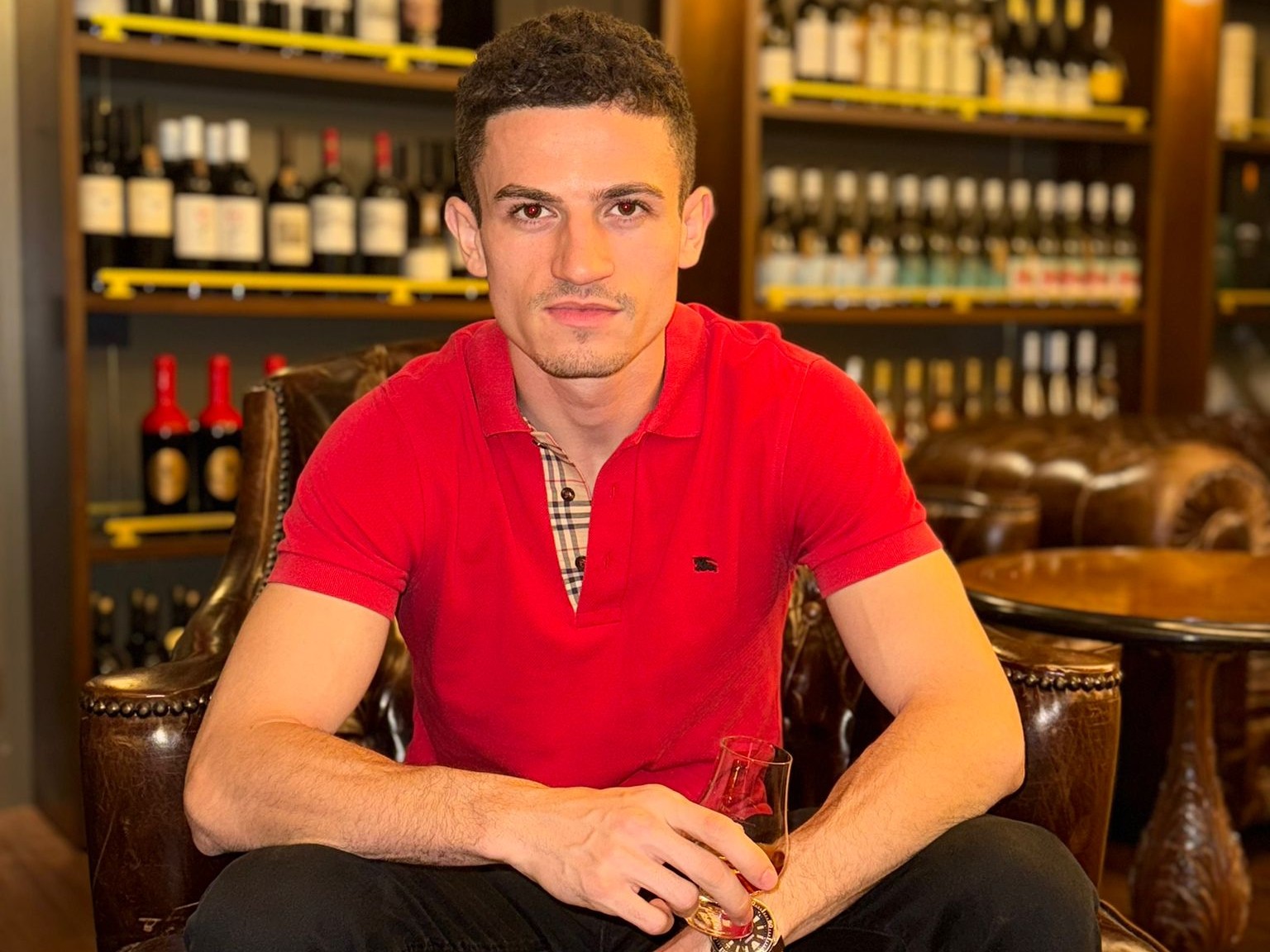
Australia blocks Jewish influencer as visa cancellations widen

When Sammy Yahood arrived at Ben Gurion Airport in late January, his bags were packed, his itinerary confirmed, and his Australian visa approved. By the time boarding was called, his visit was over before it had begun. “I got to the airport, sat down at the gate, and checked my emails,” Yahood said. “A cancellation had come through in that past hour.”
Yahood, a British-Israeli Jewish influencer, had been scheduled to travel to Australia to speak to Jewish community groups and teach self-defence workshops. Instead, while still seated at the departure gate, he learned that the Australian Department of Home Affairs had cancelled his visa with immediate effect.
The official reason given to Yahood was that he intended to conduct business activities on a tourist visa. Yahood disputes this, saying the only documentation cited consisted of flyers circulated by Jewish non-profit organisations promoting his speaking engagements. He wouldn’t be paid for these engagements and therefore shouldn’t require a work visa.
Within hours, the explanation appeared to shift publicly. Tony Burke, Australia’s Home Affairs Minister, told The Guardian that “hatred is not a valid reason to come to Australia”, a justification that didn’t appear in Yahood’s formal cancellation notice.
Yahood said the statement directly contradicted the official grounds provided to him and reframed his exclusion in ideological terms rather than administrative ones. “He contradicted the decision notice I received,” Yahood said. “And he labelled me, incorrectly I believe, as hateful.”
The cancellation of Yahood’s visa comes amid heightened scrutiny of foreign speakers seeking entry to Australia, particularly those associated with Israel advocacy, Jewish identity, or commentary following the 7 October 2023 Hamas attacks and ensuing war in Gaza.
Yahood isn’t the first Jewish or pro-Israel influencer to be barred from entering Australia under the current government. In November 2024, Israeli technology entrepreneur and activist Hillel Fuld had his visa cancelled shortly before his planned visit, triggering diplomatic backlash and concern within Jewish communities both in Australia and abroad.
In Fuld’s case, the Australian government cited concerns that his presence could “import hatred”. The language echoed Burke’s later remarks in Yahood’s case, suggesting a developing pattern in how authorities frame decisions involving Jewish speakers critical of antisemitism, Islamist extremism, or anti-Israel activism.
Australian Jewish leaders have expressed alarm at what they see as an uneven application of standards, particularly as individuals associated with anti-Israel activism continue to receive visas and platform access.
Yahood’s planned programme in Australia focused on community safety rather than political advocacy. He has spent the past two years teaching self-defence, primarily to Jewish communities in the United Kingdom and Europe. He previously worked in construction, and volunteered as a Krav Maga instructor before shifting to full-time community work after 7 October. “After the war started, I felt my purpose was in what I’m doing now,” he said. “So, I decided to go all in.”
According to Yahood, his workshops are open to the wider community and focus on situational awareness and personal safety amid rising antisemitic incidents globally. Jewish organisations in Australia that invited him reportedly sought clarity from authorities, but received no formal explanation beyond the minister’s public comments.
The visa cancellation occurred against a backdrop of rising antisemitism in Australia, including synagogue vandalism; harassment on university campuses; and threats against Jewish institutions. Jewish advocacy groups have repeatedly warned that restrictions on Jewish speakers risk compounding a climate of fear and marginalisation.
Yahood believes the decision reflects broader political trends. “Unfortunately, I’m ashamed to see Western societies once based on Judeo Christian values forgetting their moral compass,” he said. “They are labelling those who stand up for those values as hateful.”
He drew parallels between Australia and the United Kingdom, where debates about free speech, immigration controls, and political activism have intensified. “We’re seeing government overreach like we haven’t seen in either Australia or the UK for the past century,” Yahood said.
The Department of Home Affairs hasn’t publicly released further details about Yahood’s case beyond the minister’s statement. Under Australian law, the home affairs minister holds broad discretionary powers to cancel visas on character or public interest grounds, often without judicial review.
Legal advocacy groups argue that this discretion has increasingly been used to restrict speech rather than address concrete security risks. Yahood has since engaged the Free Speech Union to explore possible legal avenues, though he says a return to Australia in the near future is unlikely. “I would still like to go,” he said. “But realistically, it’s not going to happen soon.”
For Jewish communities watching from afar, the case raises pressing questions about who gets to define hatred and whose voices are deemed acceptable. The comparison with Fuld’s earlier exclusion has sharpened concern that Jewish perspectives on antisemitism and Israel are being treated as uniquely suspect.
Though Australian officials maintain that visa decisions are made on a case-by-case basis, the clustering of similar cases has prompted calls for greater transparency. Community leaders have warned that opaque decision-making risks undermining trust at a time when Jewish communities already feel increasingly vulnerable. Yahood said the issue extended beyond his own situation. “Rather than having the difficult conversation, politicians would rather shut it down entirely.”
As Australia continues to navigate the balance between border control, social cohesion, and free expression, the growing list of Jewish speakers denied entry has become part of a broader international debate. For Yahood, the personal impact was immediate and stark, experienced alone at an airport gate, watching a journey dissolve in real time. “I was already there,” he said. “And suddenly, I wasn’t going anywhere.”
The SA Jewish Report reached out to the Australian authorities for comment or an interview but received no response at the time of going to print.






Ian Levinson
February 6, 2026 at 9:01 am
Australia cancels visas for Jewish influencers while extremists roam free. That’s not immigration policy—it’s antisemitic double standards. Silencing Jewish voices is a stain on Australia’s credibility.