OpEds
Grief is also welcome at the seder table

I am writing this as my first birthday ever without my mother is drawing to a close. It’s been just more than two months and I have been settling into the ebb and flow and pressures of daily life, and on the whole, managing. But yesterday, with no warning, the taps opened and it was on and off tears the whole day, extending into today and to this moment. And that’s absolutely okay with me – this is the price of love. This is memory. Processing. Longing. Wishing for what was and what wasn’t. Feeling. Honouring my mom and the life she gave me.
Conventional wisdom says that the firsts are the hardest: first birthdays, first anniversaries, holidays, milestones, triumphs, and failures. But someone wise said to me a few days ago, once losing someone close, one is forever a mourner. I expect to miss my mother on every birthday I am ever to have.
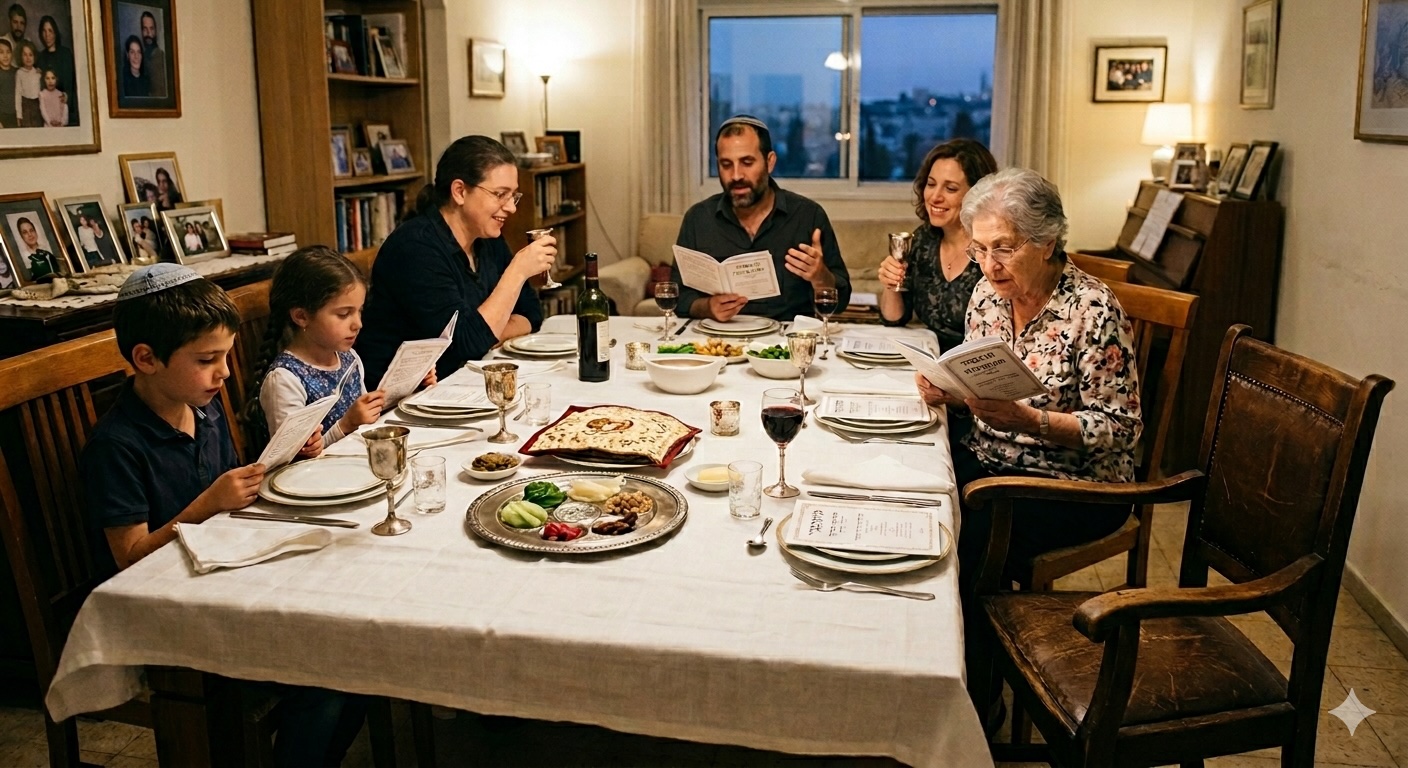
With Pesach being one of our most family-oriented festivals of the year, mourners are undoubtedly due to have moments of feeling the pain of the empty chair at the table (real or perceived). They might, like me, be surprised by the tears that come at the shops, or at the car wash, or while cooking. Our bodies seem to know the date and the meaning of the time and force us to feel. If we don’t make space for it when we can, it will come out in our dreams, in our acting out in strange, seemingly unrelated ways, in anger or panic or dissociation.
Last year my cousin who had lost his father some years before got married and wore a brooch with a picture of his father on his suit jacket. I found this such a beautiful way of honouring the present-absent. This is a term I learned in my English literature studies, that thing or person that is absent and yet so present in the space they take in one’s mind and heart.
Instead of closing the taps, I plan to invite my grief to the seder nights with me, to remember my last Pesach seder with my mom in hospital and her relief at coming home a few days later. Maybe I will tell my guests to expect me to have some feelings and that’s okay, I don’t need to be made to feel better or, conversely, send them into awkward silence and fear of said feelings. Maybe I will light her candles for her, make her charoset, laugh about when she laughed at my pronunciation of an ass (donkey version) in the Haggadah reading. I suppose I’d like to give grief “permission” to be with all of us mourners this Pesach. And in that way love too.
- Sarit Swisa is a clinical psychologist and counselling services coordinator for the Nechama Bereavement Counselling organisation in Cape Town.