


Religion
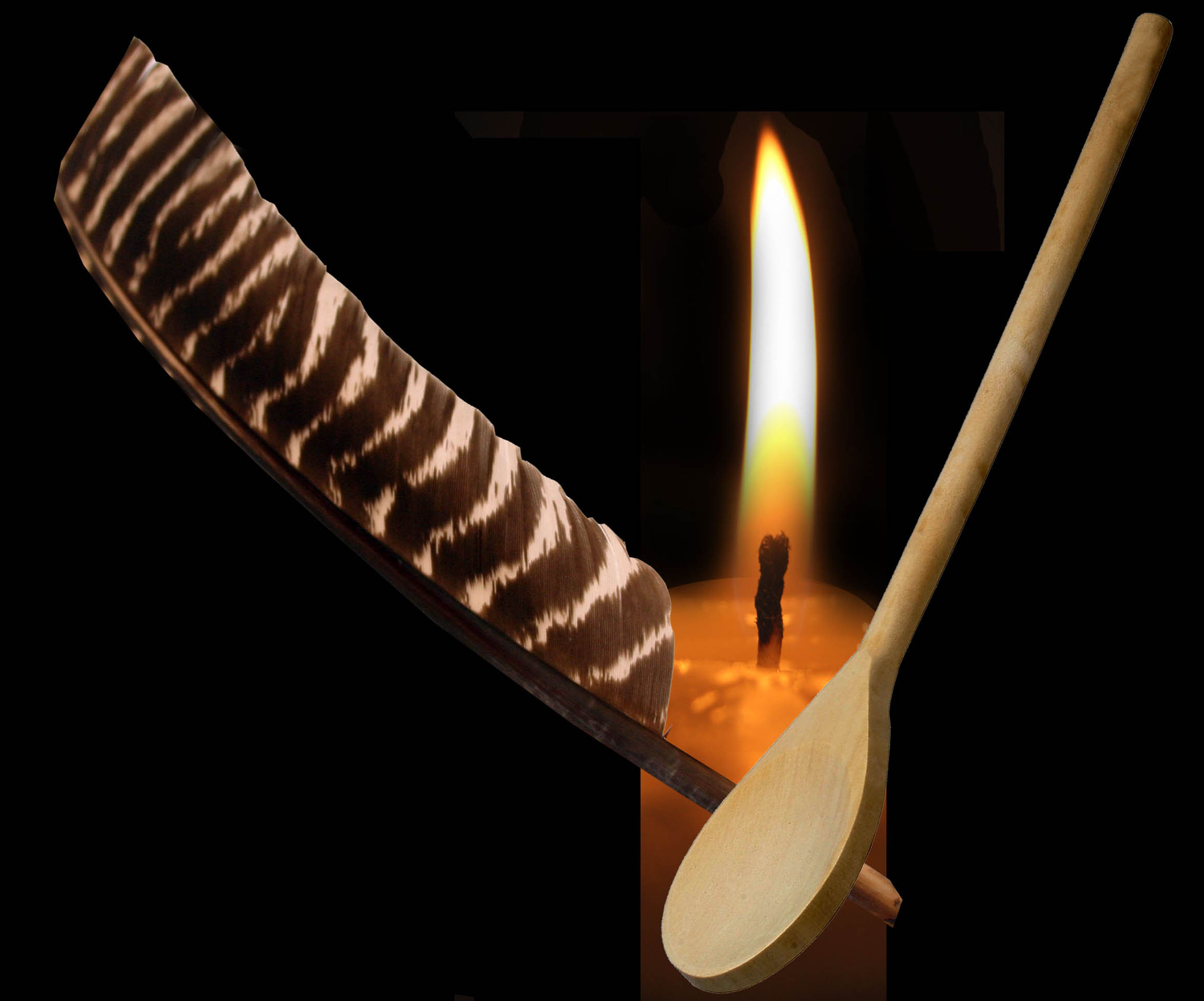
Balancing our pain and hope is the heart of Pesach

It’s time to start searching for chametz. Let’s empty the cupboards, hunt down crumbs, and get ready to transform our kitchens. On the surface, it’s a physical act, a seasonal halachic obligation. But this external ritual hints at something much deeper.
This year, that “something” is difficult to ignore.
Wars continue and their toll is clear, not just in headlines and statistics but in the anguish of communities. The global Jewish people are united in concern. Even for Jews who are far removed from immediate conflict, there’s a sense of vulnerability.
And yet, here comes Pesach 5786, a living narrative that feels close to home.
We know the story, traditionally recited between bites of matza and maror. It’s one of hardship winding into redemption. We recount our ancestors’ time in Egypt, enslaved under a regime that dehumanised them, stripped them of their dignity, and aimed to erase their identity.
But this year, the bitterness of maror hits differently.
It’s easy to romanticise the exodus story, focus on miracles, plagues, and liberation. Yet the Torah doesn’t shy away from the suffering. The Israelites endured endless labour, the weight of oppression, and the mental strain of being treated as less than. They cried out, and for a long time it felt like it was all for nought.
There’s something hauntingly familiar right now about that feeling of waiting, of calling out into uncertainty.
As images and stories come out of war, and Jewish communities globally deal with a hostile environment, many of us feel a similar tension. We’re resilient. We’re proud. But we are very tired. Tired of explaining, tired of defending, and tired of carrying the weight of history while trying to live fully in the present.
Yet, Pesach doesn’t let us linger in despair.
The genius of the seder is that it doesn’t simply recount suffering; it reframes it. “In every generation, a person is obligated to see themselves as though they personally went out of Egypt.” This is more than a nudge for empathy. It calls us to realise that the journey from constriction to freedom continues, that Egypt is not just a physically historical place but a condition that can emerge in various forms.
If Egypt stands for narrowness, fear, and oppression, then our current time, with all its challenges, can feel like a kind of modern Mitzrayim (Egypt).
But the story goes on.
One poignant part of the exodus narrative is that liberation doesn’t happen all at once. Even after their escape, the Israelites face uncertainty and hardship as they navigate the wilderness. Freedom isn’t a single event but a process requiring courage, faith, and a willingness to step into the unknown.
And perhaps that’s where we find ourselves now.
We’re in a moment between constriction and redemption, between fear and hope. The outcome isn’t clear, and the ambiguity is unsettling. But if Pesach teaches us anything, it’s that transformation begins in the in-between spaces.
Here, the metaphor of chametz becomes powerful.
Chametz quite literally means something that has expanded beyond its simplest form. Spiritually, it points to ego, arrogance, and the internal clutter that keeps us from being our best selves. The act of removing chametz is about so much more than physical cleanliness; it’s about introspection and asking ourselves what we need to let go of to make room for growth.
In a season strained by division and pain, this question feels urgent.
What chametz do we carry as individuals and as a people?
It might be instinct to respond to hate with hate, to retreat defensively rather than engage with clarity. It may also be the internal fractures in our communities, where genuine concern morphs into something corrosive if left unchecked. And it could be the quiet despair that whispers that not much will change, that the world is too broken.
Clearing chametz doesn’t mean disregarding reality or sticking our heads in the sand. The Israelites didn’t escape Egypt by ignoring their suffering. They acknowledged it, cried out, and took steps – no matter how uncertain – towards a better future.
Similarly, our task is not to downplay the challenges we face, but to ensure that they don’t define us.
This is by no means naive optimism. It’s a conscious choice.
As we gather around our seder tables this year, we will again share the story of our people’s journey. We will remember what it means to be vulnerable. We will taste maror and not shy away from bitterness. Yet, we will also drink the wine, lean in comfort, and celebrate the chance for redemption.
That tension between pain and hope is the heart of Pesach.
It may also be the key to navigating our current moment.
We can’t control the forces of war or the shifting tides of global sentiment. We can’t single-handedly eliminate antisemitism or settle complicated geopolitical issues. But we can choose how to respond, how to carry ourselves, and how to interact with one another.
We can choose to clear our chametz.
We can choose to let go of the arrogance that blinds us to others’ perspectives while still standing firm in our own truth. We can choose to shed the despair that holds us back and replace it with determined hope. We can create communal spaces of warmth and understanding in a world that feels cold.
Perhaps we can even dare to choose to believe that change is possible.
As we prepare our homes for Pesach, meticulously searching for every last crumb of chametz, we remember that the smallest details matter. A single crumb renders the entire kitchen unfit for the festival. Similarly, the little choices we make, the attitudes we carry, and how we treat one another have a greater impact than we realise.
Let’s take that to heart.
Let’s not only clean our homes but also our hearts and minds. Let’s identify the chametz within us, the habits and viewpoints that no longer serve us, and commit to letting them go. Let’s make way for compassion, understanding, and peace – within ourselves and our communities.
The path may be unclear, and the journey could be long. But Pesach reminds us that even in the darkest times, redemption is possible.
And it starts, as it always has, with the courage to clear the chametz and make room for something better.
- Lisa Hack is the national chair of the South African Union for Progressive Judaism.