OpEds
Kinocide ‒ when families become targets

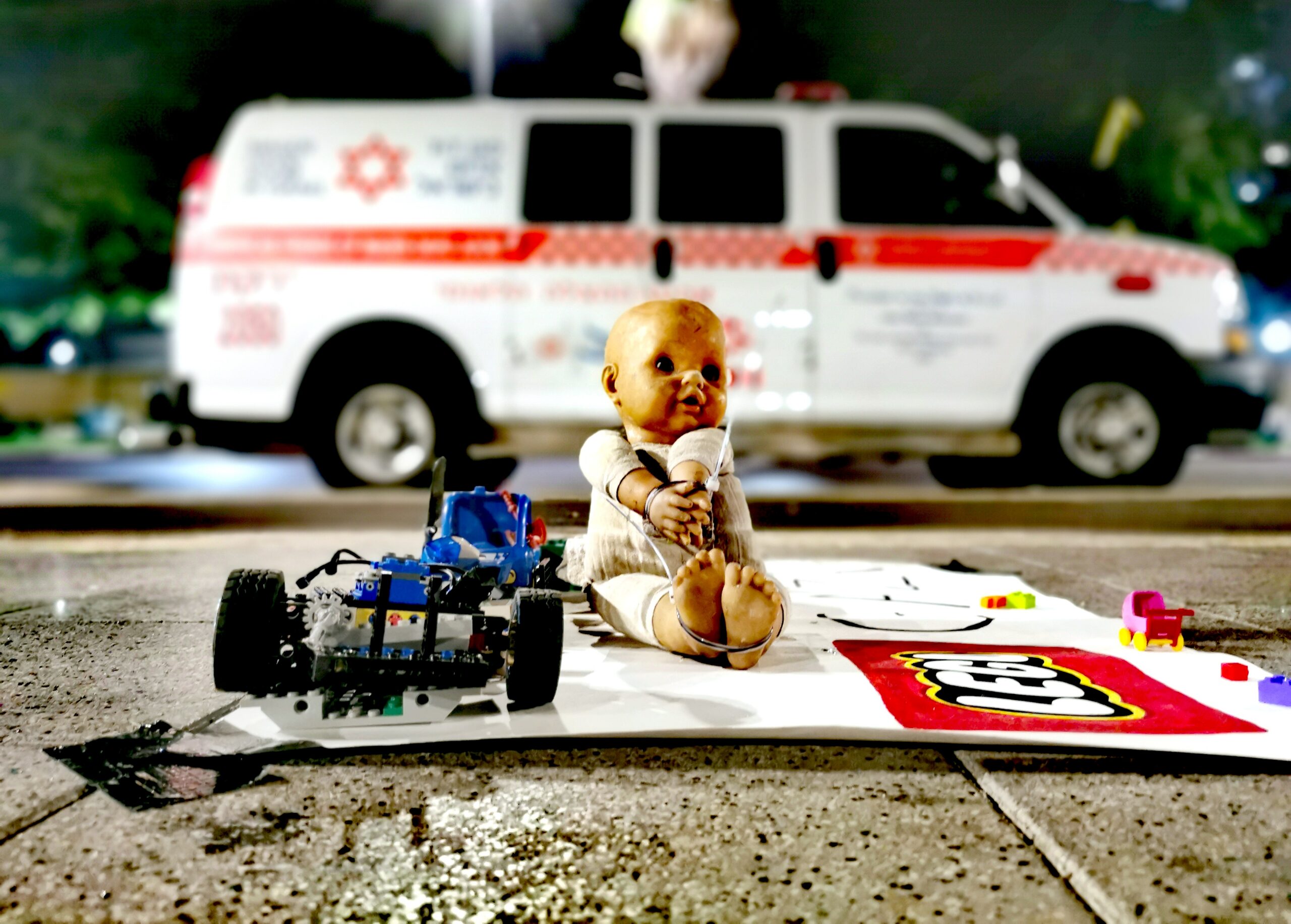
Koleinu SA acknowledges the release of the Civil Commission’s report, Silenced No More, in which Hamas’s brutality on 7 October has been recognised as a previously downplayed form of torture, namely kinocide.
Kinocide refers to the deliberate weaponisation and destruction of families, particularly in the context of crimes against humanity. It is akin to genocide but focuses specifically on familial bonds, highlighting the targeting of family units as a distinct international crime. The term recognises that violence of this nature is not confined to the suffering of individuals alone. Rather, it seeks to shatter the emotional, relational, and generational bonds that sustain communal life. Kinocide is often used strategically to instil fear, fracture communities, assert domination, erase safety, and inflict profound psychological devastation that extends far beyond the immediate victims. Because this crime targets the family as a foundational social unit, its impact reverberates across generations and entire communities.
Dr Cochav Elkayam-Levy, founder and chair of the Civil Commission on October 7th Crimes by Hamas against Women and Children, identifies several recurring forms or patterns of kinocide, including violence committed in the presence of family members, in which perpetrators intentionally kill, torture, sexually violate, or severely injure individuals while their relatives are forced to witness the abuse. In doing so, love and attachment themselves are weaponised, turning family bonds into instruments of psychological torture.
The report further documents the annihilation of entire family units, where multiple generations are deliberately erased within a single act of violence; the abduction and hostage-taking of families, including children, creating prolonged terror, uncertainty, and emotional devastation; and the intentional separation of parents and children, siblings, spouses, and elderly relatives in order to destabilise emotional security, caregiving structures, identity, and resilience within both families and communities.
Another dimension identified is the use of digital and social media to amplify familial trauma. Perpetrators allegedly used victims’ phones and social media accounts to livestream or distribute atrocities directly to relatives and the wider public. The report describes this as a modern dimension of kinocide, designed to magnify humiliation, helplessness, terror, and psychological injury.
Lastly, the destruction and desecration of family homes, symbolic centres of intimacy, safety, and belonging, formed part of the broader destruction of the family unit itself.
Elkayam-Levy writes that such targeted attacks against families are not unique to 7 October, but emerge in numerous past and present global conflicts, including Rwanda and present-day Ukraine. Yet despite their prevalence and devastating impact, these acts have often remained unnamed and insufficiently recognised. Identifying and naming kinocide is therefore essential. Naming creates recognition. Recognition creates accountability. And accountability creates the possibility of justice.
It also gives survivors language for harms that are often too overwhelming to articulate, offering validation, dignity, and a path towards healing.
The development of the term kinocide is important not only for legal accountability, but for civil society as a whole. Naming the deliberate targeting of families helps society better understand the true nature and long-term impact of modern atrocities. By giving language to this form of violence, civil society is better equipped to document harm, support survivors, challenge denial and minimisation, and advocate for stronger protections for families in conflict settings.
Recognising kinocide also reinforces a broader moral principle: that the family unit, as a source of human dignity, safety, identity, love, and resilience, must never become a deliberate target of violence and terror.
Elkayam-Levy and colleagues are now working toward having kinocide recognised formally within international legal frameworks, allowing these acts to be prosecuted more explicitly under international criminal law.
The report’s title, Silenced No More, carries profound significance. Silence protects perpetrators. Silence isolates survivors. Silence allows denial to flourish while trauma continues to echo through families and generations. Breaking that silence responsibly, compassionately, and courageously is one of the most important steps any society can take towards truth, accountability, and healing.
Because beyond the statistics, the politics, and the headlines are shattered dining room tables, empty bedrooms, parents searching for children, children waiting for parents who will never return, and families forever altered by terror. To recognise kinocide is to recognise that the destruction of a family is not collateral damage. It is the destruction of a world.
- Rozanne Sack is a co-founder of Koleinu SA, a helpline and advocacy organisation for victims of gender-based violence and child abuse in the Jewish and wider community.