





Lifestyle
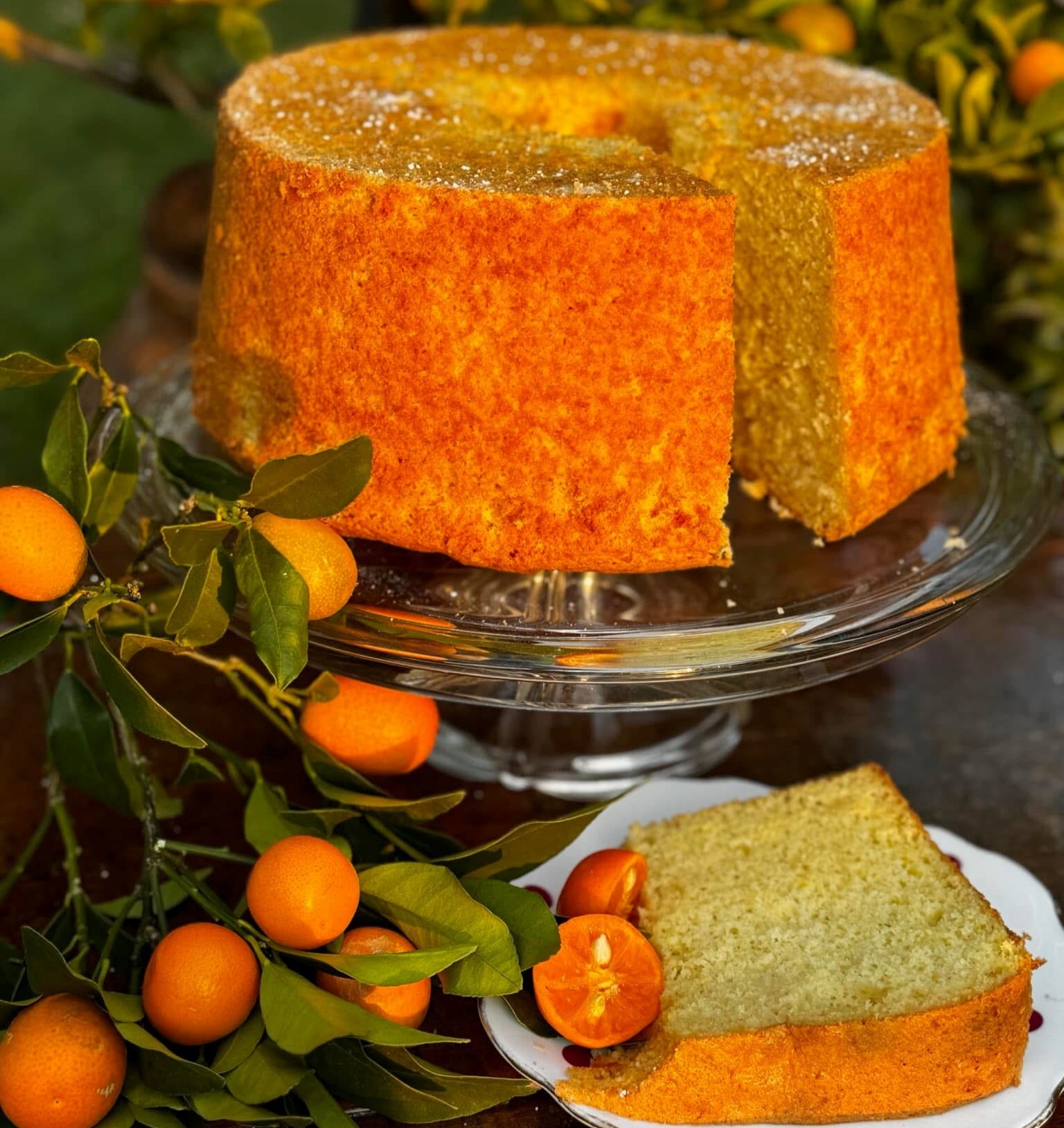
Spanish Orange Chiffon Cake

Spanish Orange Chiffon Cake
(Pan d’Espanya or Pan Esponjado)
Pan d’Espanya, called Pan Esponjado in Ladino, our Judeo-Spanish language, is the iconic feather-light orange chiffon cake that has been made for generations by the Jews of Spain.
It’s traditionally made to break the Yom Kippur fast with other sweet offerings.
Originally baked with juicy Seville oranges, this cake is moist and tangy from the juice and zest, and fragrant with delicate orange blossom water.
Pan d’Espanya is delightful served as a teatime treat or offered as an irresistible finale served with berries and lightly whipped cream. I urge you to try it, it keeps so well too.
Ingredients
2 cups (8.3 ounces/235 g) cake flour, sifted
2 heaped teaspoons baking powder
⅛ teaspoon kosher salt
8 large eggs, at room temperature
1 cup (7 ounce/200 g) superfine (caster) sugar
½ cup (120 ml) mild vegetable oil
2 teaspoons finely grated orange zest
¾ cup (180 ml) freshly squeezed orange juice
1 teaspoon orange blossom water
¾ teaspoon cream of tartar (optional)
confectioners’ sugar, for dusting
Method
Preheat the oven to 350°F (175°C). You will need a 10 inch (25cm) tube pan or chiffon cake pan. Do not grease it, the batter needs to hold onto the sides to rise in the oven.
In a large bowl, whisk together the cake flour, baking powder, and salt; set aside.
Separate the eggs, put six egg yolks in the bowl of a stand mixer fitted with a paddle attachment; discard the other two yolks.
Put all the egg whites in a bowl, cover with plastic wrap, and set aside.
Add the sugar to the egg yolks, and beat at high speed until pale and creamy, about two minutes. Turn the mixer to low, and beat in the oil, orange zest, orange juice, and orange blossom water.
With the mixer still on low speed, add the flour mixture, beating only until the batter is combined, scraping down the sides of the bowl as needed. Remove the bowl from the mixer stand, and set aside.
Put the egg whites in a clean mixer bowl, attach it to the mixer stand, and fit the mixer with the whisk attachment. Beat the egg whites until soft peaks form. Add the cream of tartar, if using, and continue to beat the egg whites until they hold firm, glossy peaks. Take care that you don’t overwhip them. Remove the bowl from the mixer stand.
With a large rubber spatula or a metal spoon, scoop up about one-third of the egg whites and gently fold them into the batter. Continue with the rest of the egg whites, a third at a time, folding gently until just combined with no white streaks remaining.
Pour into the ungreased pan, and smooth the surface with a spoon.
Bake for 55 to 60 minutes or until the cake bounces back to the touch and a tester comes out clean. Immediately invert the cake tin on a wire rack. Let the cake cool completely before removing from the tin – about 1½ hours. To remove the cake from the tin, loosen the outer edges of the cake with a paring knife around the inside edges of the pan and the centre tube. Gently ease out onto a wire rack. Flip the cake back upright and lightly dust with confectioners’ sugar. To serve, use a serrated knife to cut individual slices.
Stella’s hint: seal the cooled baked cake with plastic wrap and freeze. To defrost, remove the wrapping and defrost for three to four hours at room temperature.



