


World
Abel carries SA roots into Georgia State Senate

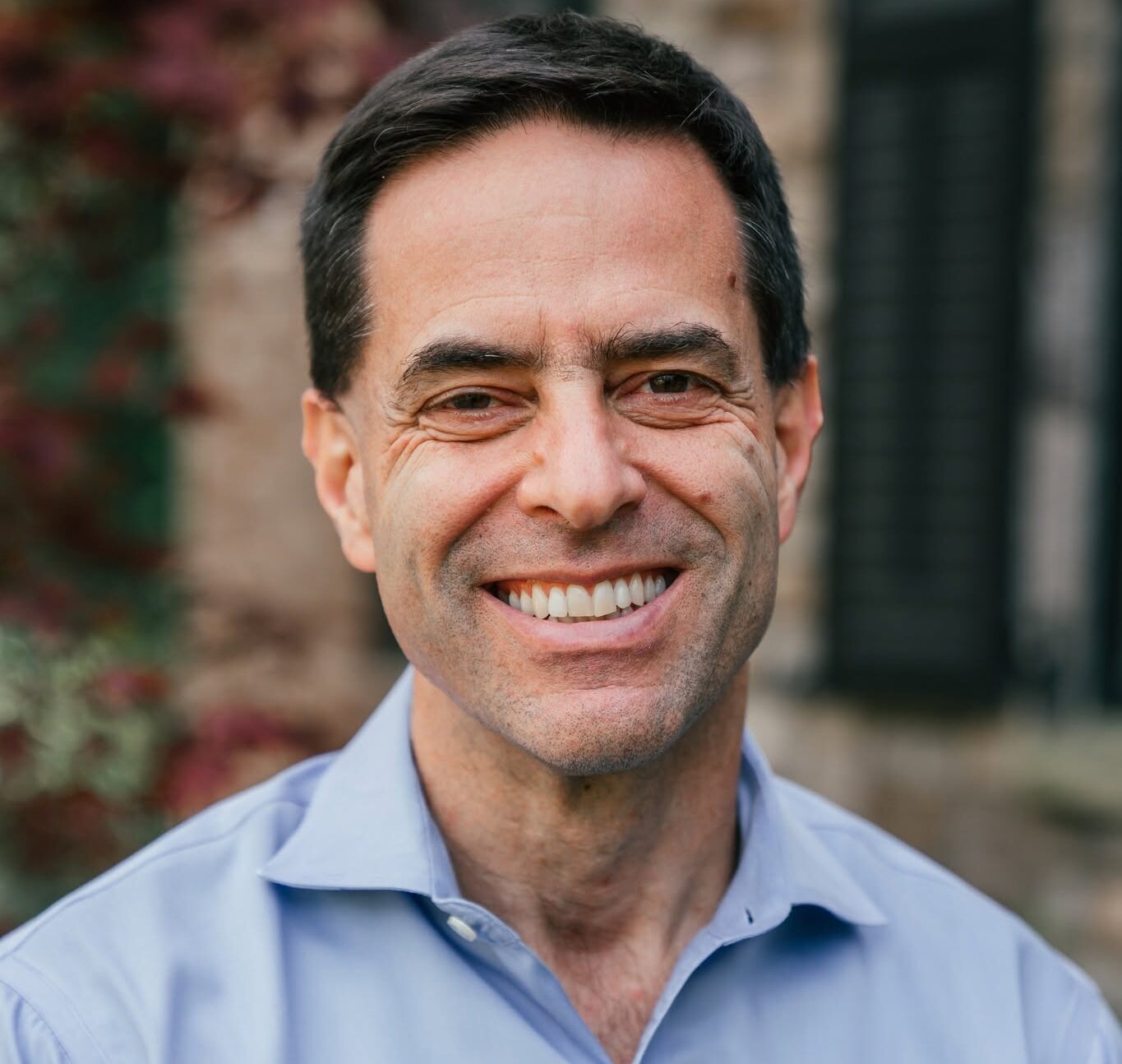
South African expat Kevin Abel, 61, was elected to the Georgia State Senate in the United States on 3 November and is preparing to enter office and help shape the future of the state he now calls home.
Cape Town-born Abel grew up in Camps Bay and left South Africa at 14. Yet the experiences of his childhood continue to shape his views on race, civil rights, and immigration.
More than four decades later, Abel won the election after a closely contested Democratic primary runoff. “I won the primary runoff back in June, and that was really the race. It was incredibly competitive and I won by just a small fraction,” he said.
The general election was less uncertain because his district strongly favours Democratic candidates. On election night more than 100 friends and supporters gathered to celebrate at a local bar, where they watched results emerge from across the country.
Abel attributed the wider Democratic gains to dissatisfaction with President Donald Trump’s administration, concerns about corruption and affordability, and the war with Iran. He criticised Republican lawmakers for failing to challenge the president.
“It was far less about ‘we love Democrats’ and far more about ‘we can’t go on with this kind of sycophantic Republican Congress’,” he told the SA Jewish Report.
For Abel, the election marks a new chapter after 35 years of civic involvement in Atlanta and Georgia. But his political outlook has roots in the country in which he spent his early childhood.
Abel, who moved to the US in 1979, described his family as liberal by South African standards.
“While we took full advantage of the apartheid system in terms of maids and gardeners, there was chatter in my house that suggested that this was all wrong,” he said in an earlier interview with the SA Jewish Report.
His parents were divorced, but with five sons of military age between them, the prospect of conscription contributed to the family’s desire to leave. The US represented freedom and opportunity to the young Abel, who remembers being excited about the move.
He has since returned to Cape Town many times to visit his father, who remained in South Africa until his death in 2021. His stepmother still lives in the city, giving him a continuing family connection to the country.
Although his wider family gradually emigrated and his connection to South Africa diminished, he has continued to appreciate Cape Town’s natural beauty. He described being repeatedly struck by the city’s landscape when he returned.
Abel said he had never felt attached to apartheid South Africa itself. However, he’d felt proud to identify with the country during its democratic transition under Nelson Mandela.
“The racism of apartheid South Africa that I grew up in, and became peripherally aware of as I approached the age of 14, also informs my sense of civil rights and liberty and issues of race,” he said.
His experience as an immigrant also remains central to his politics. Abel often begins campaign speeches by identifying himself as an immigrant, reflecting on the opportunities he believes the US gave him. At 61, he said, he was grateful for the life he’d built there and did not want to see the country undermine its promise.
He is concerned about the Trump administration’s treatment of immigrants, particularly those who do not have the advantages he had when he arrived with a green card. He has worked closely with refugee communities for many years. He described the closure of the American refugee resettlement programme, with an exception for white South Africans, as a significant concern.
Abel’s new role will allow him to pursue these concerns through state legislation. His top priority is expanding Medicaid, the American public health insurance programme for people with limited incomes and resources. He believes expansion would allow more Georgians to obtain health coverage.
He would also like Georgia’s abortion ban overturned, although he acknowledged that this would require support from some Republican lawmakers. Other priorities include public transport, school funding, and housing.
Abel previously served on the board of the Georgia Department of Transportation. He hopes to draw on that experience to encourage greater investment in public transport across metropolitan Atlanta.
His election increases Jewish representation in Georgia’s legislature. Before the election, Esther Panitch was the only Jewish member of the Georgia General Assembly, serving in the state House of Representatives.
Abel will join her in the Senate, while newly elected representative Adam Cleveland will bring the number of Jewish legislators to three when they take office in January. “Among the Jewish community, the line was ‘Esther needs company’,” he said.
He also intends to push for greater funding to protect Jewish institutions. Some security funding increased in the previous year, and he hopes to secure further support.
Abel acknowledged that antisemitism remains a concern in Georgia, although he believes the state has experienced fewer incidents than some other parts of the United States. “Antisemitism has reared its head worldwide, and Georgia is no exception.”
He is involved with the American Jewish Committee and has chaired its antisemitism task force. He believes education is central to challenging prejudice, including helping people understand how antizionism can become antisemitism.
For Abel, entering the Senate is an opportunity to contribute more directly to the community in which he’s spent most of his adult life. He plans to retire from his existing career and move into public service, a role he expects to offer fulfilment rather than financial reward.
He is also looking forward to learning the legislative process, meeting new people, and taking on a new challenge. “I’m most excited, at the age of 61, to be entering a new career and learning and growing,” he said.