





SA
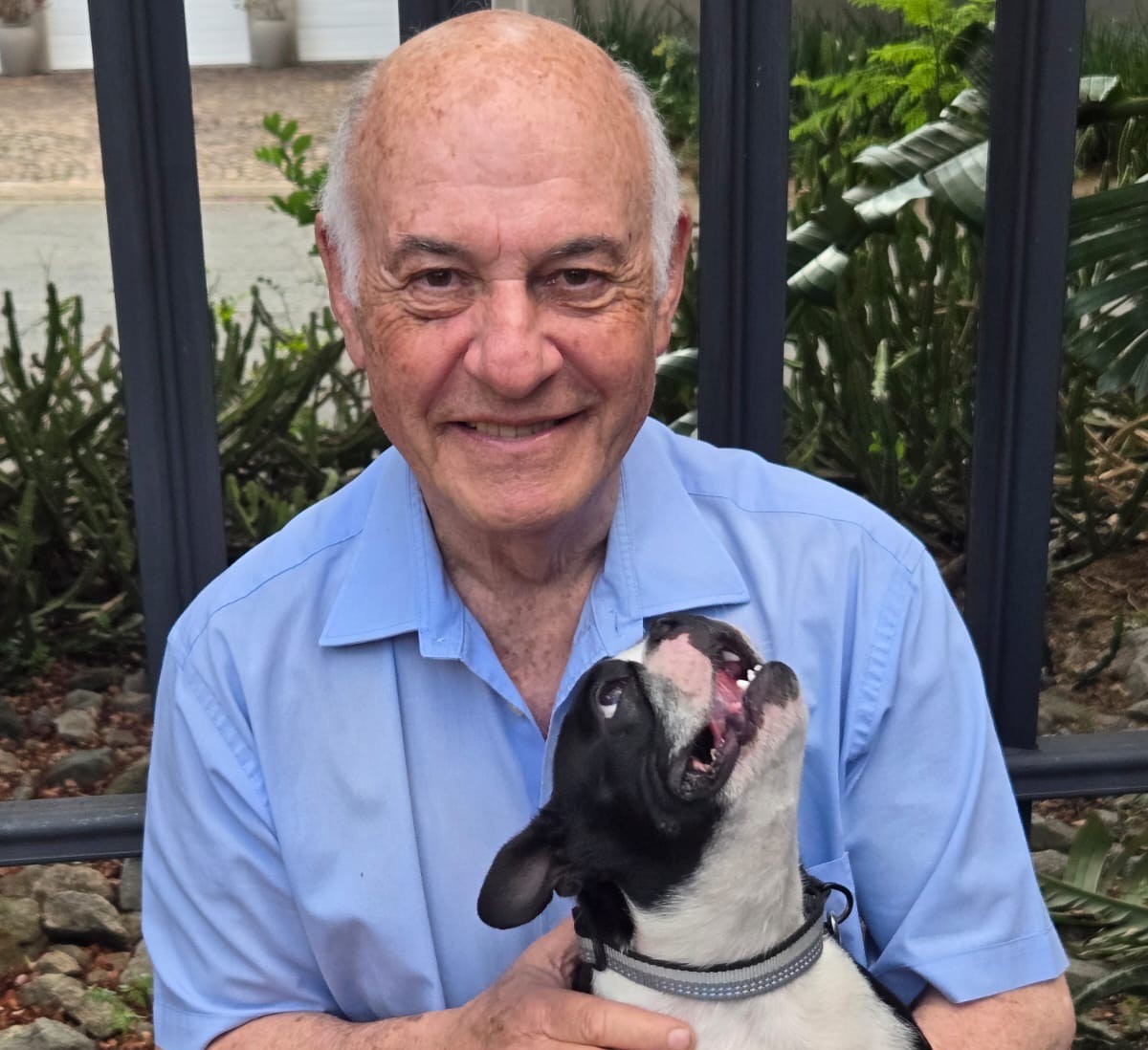
Dr Platzhund to lead the veterinary pack

No two days are ever the same for Dr Melvyn Greenberg, otherwise known as Dr Platzhund from Radio 702. Even after 52 years in private veterinary practice, the challenges of diagnosing and treating animals, and the relationships he builds with their owners, continue to fuel his passion for the profession.
Now, that lifelong dedication has brought him to a historic milestone: his election as president of the South African Veterinary Association (SAVA), making him the first Jewish leader in the organisation’s 103-year history.
Despite his decades of experience, numerous national awards, and years of involvement on various veterinary committees, Greenberg said his election came as a surprise.
“I never thought they would consider someone like me. They’ve had English and predominantly Afrikaans presidents, but I never imagined they would elect a Jewish person to the position,” he said.
He sees it as an opportunity to make a lasting difference, tackle the challenges facing vets, and leave a meaningful legacy. Although his tenure officially begins only in December next year, he is already fulfilling several roles as part of the preparation process.
Still, it’s not his first rodeo.
“It’s a prestigious position, but I’ve also been fortunate to receive three national awards, including honorary life membership, the Boswell Award for my 18 years as ‘Dr Platzhund’ on Radio 702, and an award recognising my contribution to the Johannesburg community. I was also involved in organising the largest veterinary World Congress ever held in South Africa, in 1994. These are achievements I’m incredibly proud of and grateful for,” he said.
The SAVA represents vets across the country, whether they treat small animals, livestock or wildlife, or are in industry or academia. Unlike the Veterinary Council, which regulates and disciplines vets, the association advocates for their rights and interests, while also addressing challenges such as foot-and-mouth disease and the importation of veterinary products.
Greenberg was nominated by a colleague and subsequently approved by the SAVA board of directors. He hopes to bring innovation, financial stability, and greater transparency to the association, ensuring members are regularly informed about issues, the progress being made, and the value of their membership.
“I currently serve on 17 committees, and I want to ensure that we make responsible, well-considered decisions. For example, during a recent meeting about bursaries, I argued that funding should prioritise students with the greatest financial need, strong academic results, and those nearing graduation, in the hope of encouraging them to remain in South Africa.
“Ultimately, whether it’s animal welfare, ethics, foot-and-mouth disease, or any other issue affecting the veterinary profession, we have a responsibility to address it. My main priority is to improve communication at every level and ensure that the association makes a meaningful difference.”
Greenberg explained that while his Jewish identity may not necessarily influence how he approaches his presidency, his election holds particular significance given the antisemitism he experienced earlier in his career. For him, reaching this position is a testament to his perseverance.
“I’m very proud of what I’ve achieved, particularly because I experienced a great deal of prejudice and antisemitism, both as a student and after qualifying. But I have never tolerated antisemitism, racism, or discrimination of any kind,” he said. “Those who treated me that way will never forget me because I made sure to stand up for myself and teach them lessons they would remember. Interestingly, many of those same people are now friends of mine, and we have developed mutual respect.”
He never would have believed when he started his career that he would be in the position he is in today.
“I’ve been in private practice for 52 years and previously served on 14 committees over a period of 14 years. Unfortunately, that chapter ended on an acrimonious note, as I felt the president at the time didn’t fully appreciate the work we were doing on a voluntary basis.
“However, I believe there is now a completely different attitude towards colleagues within the profession. When you are given a position like this, you have to prove yourself and fulfil your responsibilities. Ultimately, when the time comes to hand over the reins, you want your successor to feel that you’ve done an effective and responsible job.”
This is the kind of dedication to the profession that his patients and their owners can attest to.
“Every single day is unique. There’s never a dull moment because every day brings new animals, new owners, and new challenges. Whether it’s making a diagnosis or treating an animal, there’s always something different, and that’s what makes the profession so rewarding.”
For him, it’s also about building trust with clients. “I want them to know that I’ll always be honest with them, that I won’t take advantage of them, and that I’ll do what’s best for their animals. The relationship between the veterinarian, the animal, and its owner is incredibly precious, and I work hard to nurture that trust.
“I have about 800 clients who have my personal cellphone number, and I don’t mind when they contact me for advice, no matter where I am. What might seem like a minor issue to me could be very important to them, and I want them to know they can always reach me,” he said.
“Ultimately, I want to offer practical, affordable solutions while maintaining the highest standards of professionalism and collegiality. It’s about building lasting relationships based on honesty, trust, and genuine care,” he said.
