


OpEds
Avoid firewood trap, just keep the candle glowing

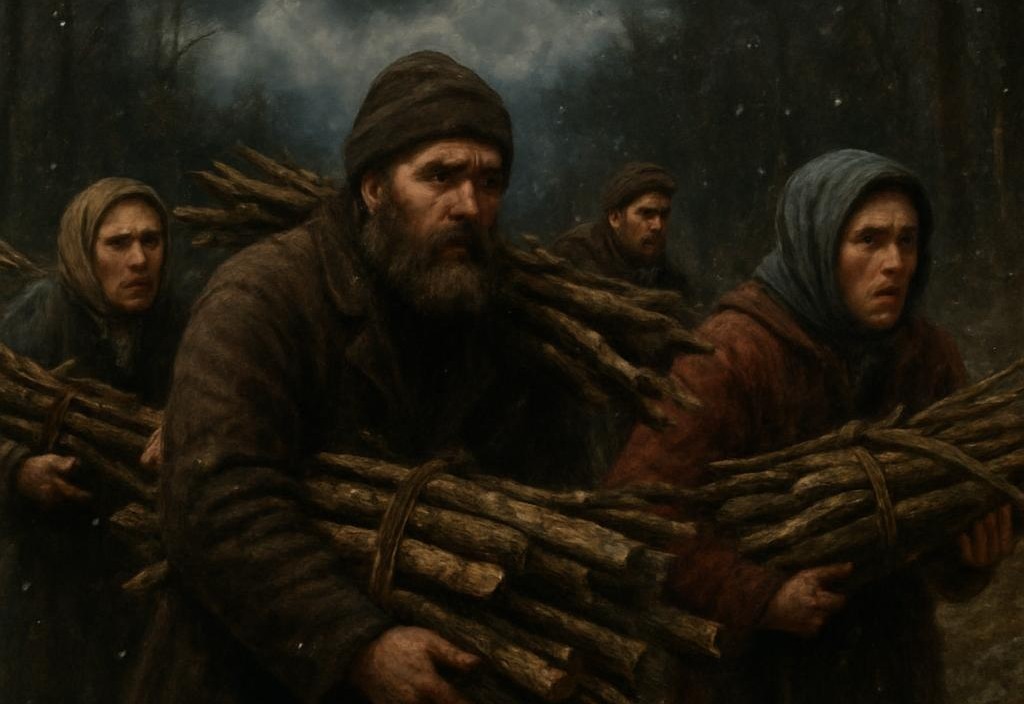
Fall settled gently over a remote reservation when the tribe approached their new chief and asked what kind of winter was coming. He was a modern chief, raised without the instincts of his ancestors, and when he looked at the sky, he saw nothing certain. So he went with caution. He told them the winter might be cold, and that they should begin gathering firewood.
A few days passed. Doubt crept in. He walked to a phone booth, and called the national weather service. “Is the coming winter going to be cold?” he asked. “It looks like this winter will be quite cold,” came the reply. Reassured, he returned and urged the tribe to gather more wood.
Two weeks later, he called again. “Are you certain?” “Absolutely. It’s shaping up to be the coldest in five years.” He told his people to collect every scrap of wood they could find.
A month later, he made one final call. “Just checking, are you really sure this winter will be cold?”
“Oh yes,” the weatherman said. “At this point, it looks like the coldest in 10 years. Maybe the coldest in a century.”
“How can you be so sure?” the chief asked.
“Because the Indians are collecting firewood like crazy.”
The story lingers because the pattern is so familiar. Certainty grows louder with every retelling, even though nothing in the sky has actually changed. One person’s fear becomes another person’s confidence, and before long, an entire community is preparing for a winter no-one has confirmed. The Joneses aren’t any clearer about where they’re going than the people trying to keep up with them.
And that’s the world we inhabit. We look around and absorb the atmosphere. We compare WhatsApp groups, school choices, and extracurricular timetables. We observe other families and wonder if we’re doing enough. We borrow stress, ambition, urgency, each of us gathering firewood from the same fear of being left behind. Parents who are exhausted but cannot stop moving. Children who are accomplished but anxious. Calendars that are packed, but family bonds that are fragile. Homes where everyone is performing, and no-one is truly breathing.
Here’s what we rarely admit: we are terrified. Terrified that the future is more uncertain than we can prepare them for. That everyone else knows something we don’t. The parents around us seem so sure, with structured schedules; international curricula; and backup plans for the backup plans. And we absorb that certainty without stopping to ask whether it’s real, or whether we’re just watching each other gather firewood based on forecasts that came from watching each other gather firewood.
We’ve replaced wisdom with credentials; depth with options; and the slow work of character with the frantic accumulation of skills. We’ve confused protecting our children with preparing them. And somewhere in the noise, we’ve stopped asking the question that actually matters: what are we trying to build inside our children? Not on paper, not in a future university application, but in the quiet centre of who they are.
This is where Chanukah steps in with its ancient wisdom. The Greeks had the armies; the Hellenistic culture; and the certainty. The pressure to imitate them must have felt overwhelming. Their pace was louder. Their confidence was seductive. Their firewood piles reached the sky.
But the Maccabees didn’t try to match their volume. They didn’t counter power with more power. They started with something far smaller and far truer: a single flame. One night’s oil. One act of light. And somehow, that was enough. Not because it solved everything immediately, but because it reminded them what they were guarding in the first place.
The oil burned for eight days – that was the miracle. But what the miracle taught was something even more enduring: that a people under pressure remembered that you don’t build a future by copying the noise around you. You build it by guarding the small flame you already carry. You increase it slowly. One to two; two to three; night by night. No leaps. No shortcuts.
Chanukah is the holiday of slow light.
It teaches us that warmth and clarity don’t come all at once. They develop through patience and deepen through rhythm. Every night is just a small step from the night before, but by the eighth day, you turn around and see that the whole room is glowing.
That’s the invitation for us as parents. To remember that children aren’t built through panic or comparison. They are shaped through a slow accumulation of small, steady flames. A conversation over supper. A boundary held calmly. A moment of honesty. A rhythm that repeats often enough to become part of them. There is no treadmill to maturity, just the daily candle and the small hugs and words of guidance coming together to build a mensch.
We don’t need to keep pace with the world around us. We don’t require a five-year plan full of extracurricular mastery. We don’t have to pursue every opportunity to give our child “an edge”. What we do need is a small flame that’s nurtured with love and patience, presence and rhythm. We need the courage to allow growth to happen at human speed.
The world will continue to gather firewood. It will continue to stare at the horizon and guess. But we don’t have to live inside that reflex. We can choose the quieter work that holds a home together. We can trust that slow light is still light, and that it burns far longer than the fires built from panic.
Children absorb tone long before they absorb instruction. They learn steadiness from a home that isn’t rushing; confidence from parents who aren’t constantly checking how everyone else is doing; and who they are from the rhythms that quietly repeat themselves across years.
Years from now, when your children face their own winters, they won’t remember the noise that surrounded them. They’ll be the embodiment of the light you tended, night after night, without fanfare or fear.
A freilichen Chanukah. Happy Chanukah.
- Rabbi Levi Avtzon is the rabbi at Linksfield Shul.