





OpEds
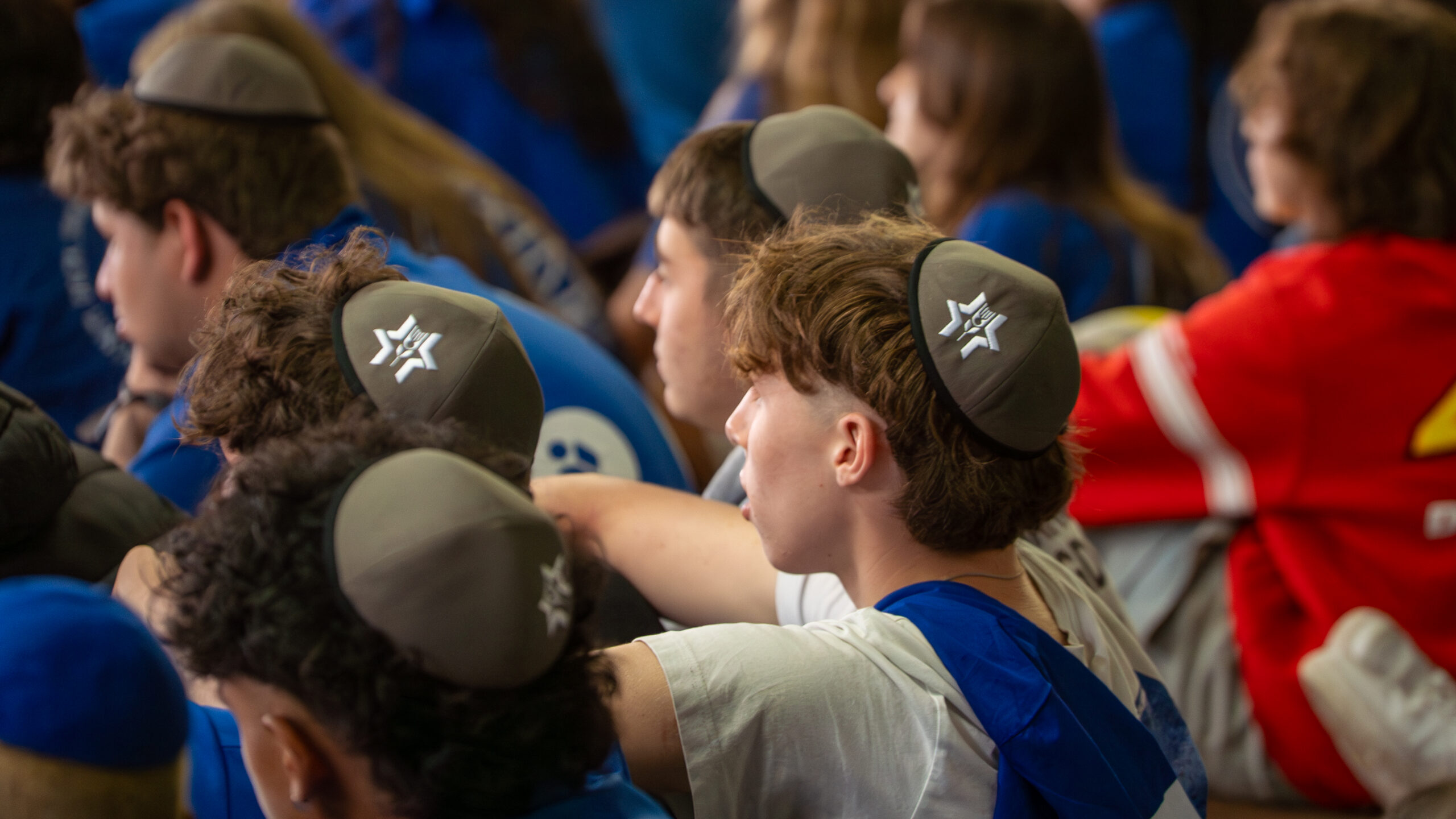
Jewish youth camp – answer for anxious generation

For the past 12 years of my life, I spent every December at the Habonim campsite. Year after year, I returned to the same dusty fields and tents to learn about Judaism and Israel, to build lifelong friendships, to connect deeply with others, and, quite simply, to have the time of my life.
Now, as I come to the end of my time in Habonim and step into the adult world of work, taxes, and limited annual leave, it’s clear to me that though camp may end, its lessons never do. Everything I carry into adulthood – my values, confidence, sense of responsibility, and connection to community – was shaped in profound ways by my years in a Jewish youth movement.
We’re raising children in a time of unprecedented digital overload. Jonathan Haidt, in The Anxious Generation, describes how the constant presence of screens and social media have left young people more anxious, isolated, and disconnected than ever before. Jewish youth movement camps offer a rare and powerful alternative: a chance to disconnect from devices and reconnect with the real world.
Jewish youth movements in South Africa may differ in ideology, but they share a common set of values: community, responsibility, Jewish identity, and the belief that young people flourish when trusted and empowered.
In many ways, camp can be compared to Sukkot. Children leave behind their safe, comfortable, pampered homes for the uncertainty of a stretcher, a sleeping bag, and a tent. Sukkot teaches us that our security doesn’t come from bricks and mortar, but from our relationships, our values, and our faith. Camp does the same. Living in tents exposes us to the elements, strips away layers of falseness and pretence, and reveals a deeper, more authentic sense of meaning in our lives.
Speak to anyone who has been through a Jewish youth movement – whether they are 18 or 80 – and they will tell you the same thing: camp was a life-changing, formative experience. In a single article, I cannot capture the full impact camp has in shaping the people we become. But there are five key lessons I believe every child takes with them.
A child-centred world
Camp is a rare space designed entirely around young people. It gives children the freedom to begin forming their own identities in a healthy, values-driven, wholesome way, away from their parents but within a safe and supportive framework.
Joy without crutches
From kids aged 11 through to their mid-20s, camp shows chaverim that they can have the time of their lives without alcohol, drugs, or other substances. Learning how to experience joy, connection, and belonging in this way is an invaluable life lesson.
Education that sticks
My experience at Habonim, which I know is reflected in other movements like Bnei Akiva, was one of informal Jewish and Zionist education that far outlasted any classroom lesson. Learning from people not much older than myself, through creativity, innovation, and shared experience, embeds values that stick better than formal instruction. Jewish camps have perfected a model of education that any system striving to teach ethics and morality could learn from.
Being part of something bigger than yourself
The psychiatrist and humanist Viktor Frankl taught that humans are driven by a search for meaning. In a world where Instagram reels and TikTok fill our days with watching other people live their lives, camp invites young people to live fully themselves. The sunsets, hikes, singing, and shared moments are deeply “Instagram-worthy”, but instead of scrolling past them, you are present, experiencing them in real time.
Leadership for life
Leadership development at Jewish camps begins long before someone becomes a madrich. A prominent business leader and former Habonim chaver once said that Habonim was the best MBA he ever had. This is no coincidence. Camps produce confident, self-assured, engaged individuals who go on to lead in our community and beyond. The skills gained at camp give young people a real advantage in further study, job interviews, and professional life.
Jewish youth movement camps do far more than fill a child’s December holidays. They shape who our children become. They build resilient, values-driven, connected human beings – and that’s something no screen, classroom, or textbook can replace.
- Bethia Milner is the president of the South African Union of Jewish Students and involved with Habonim Dror.




teknologi informasi
March 27, 2026 at 11:28 am
I totally agree with the leadership point. It’s interesting to see how a camp that seems “fun” can actually be the “best MBA” for preparing for the working world. As someone just starting out in the professional world, what specific skill from Habonim do you think will be most helpful for you in your adult life? Nice read!