Sport
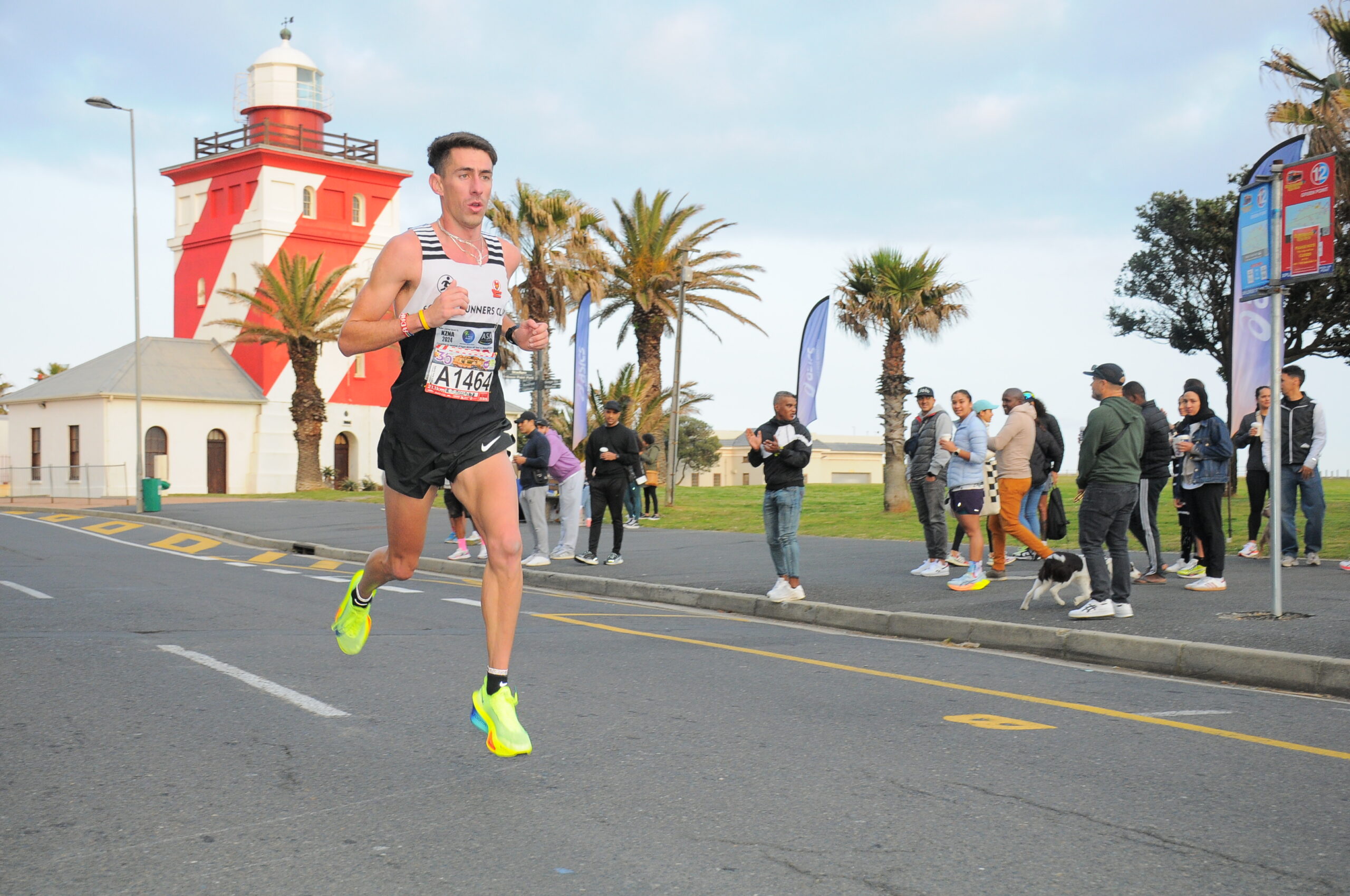
Lipschitz is running on plenty

For Adam Lipschitz, one of the fastest marathon runners in South African history, organising road races isn’t just about getting runners across a finish line. It’s about making the sport faster, more exciting, and more accessible to everyone.
The Durban runner, race organiser, and founder of the Social Runners Club believes South African road running has room for a fresh approach. From designing what he hopes will become one of the country’s fastest courses to creating a running club without the traditional obligations, his aim is to encourage more people to embrace the sport.
“I’ve always wanted to get as many people involved in running as I can,” says the 32-year-old. “I know what running has done for me.”
Lipschitz’s latest race has been designed with speed in mind. The World Athletics-certified course means performances can be used for international qualification, including Olympic qualifying times, making it one of only a handful of officially measured courses in South Africa.
“I’m trying to make it the fastest race in the country,” he says. “I’ve run all over the world, so I know what a fast course looks like. The time of year, the weather, the course, everything works perfectly for fast times.” The race, starting at Durban’s Moses Mabhida Stadium, has been scheduled six weeks after the Comrades Marathon, allowing runners to recover but still take advantage of the fitness they’ve built.
Adding another incentive, Lipschitz has put up a R100 000 bonus for anyone who breaks the course record. “I actually want someone to break it. I know it’s going to hit my pocket, but long-term marketing is far more beneficial.”
While the possibility of attracting elite local and international athletes is exciting, Lipschitz is equally focused on making race day enjoyable for everyday runners. “A lot of these races are getting very boring. They’re just the same old weekend race,” he says. “I’m making them more unique, with more vibes, more entertainment. Hopefully, if someone starts with the 5km, they’ll come back for the 10km.”
That philosophy also shaped the creation of the Social Runners Club. Having competed from a young age and represented South Africa at school level, Lipschitz decided there was room for a club that appealed to runners looking for flexibility rather than obligation.
“It’s a no-frills club. You don’t have to rock up to time trials. You don’t have to come and marshal races or attend meetings. Get your licence for the year and do what you want,” he says.
The formula has proved successful. In just three years, the club has grown to more than 570 members, with runners not only in Durban but also in Johannesburg and Cape Town. Lipschitz hopes to expand formally into both cities in 2027.
“We’ve got a young vibe and a young crew. Not everyone wants to be forced to go to group runs after work. That’s where our club does well.” Running, he says, has always been more than competition. “I use it as my meditation. Some people do yoga. I enjoy running. It’s my alone time in my own space.”
He believes the sport helps navigate life’s challenges. “I think a lot of people have used running to get away from their own personal drama. The more people who run and the more people who understand running, I think it’s a good thing for life.”
That passion has inspired him to give back to the running community. This year, Lipschitz funded 20 Comrades Marathon entries, worth R24 000, for runners who needed financial assistance. He hopes sponsors will join the initiative to help even more athletes reach the starting line. “If you know someone who needs a bit more help, maybe your worker, your colleague, or someone who just needs that little bit of assistance, we’re going to help them.”
His support often extends beyond organised initiatives. He has helped a petrol attendant who worked night shifts before running qualifying marathons, and runners who train despite having limited financial means. “It’s those sorts of people who just need a little bit more assistance. That’s what I’m trying to recreate.”
For Lipschitz, every race, every new club member, and every opportunity to support another runner serves the same purpose. “I just want more people running.”