SA
Jewish runners return to Comrades undeterred by last year’s intimidation

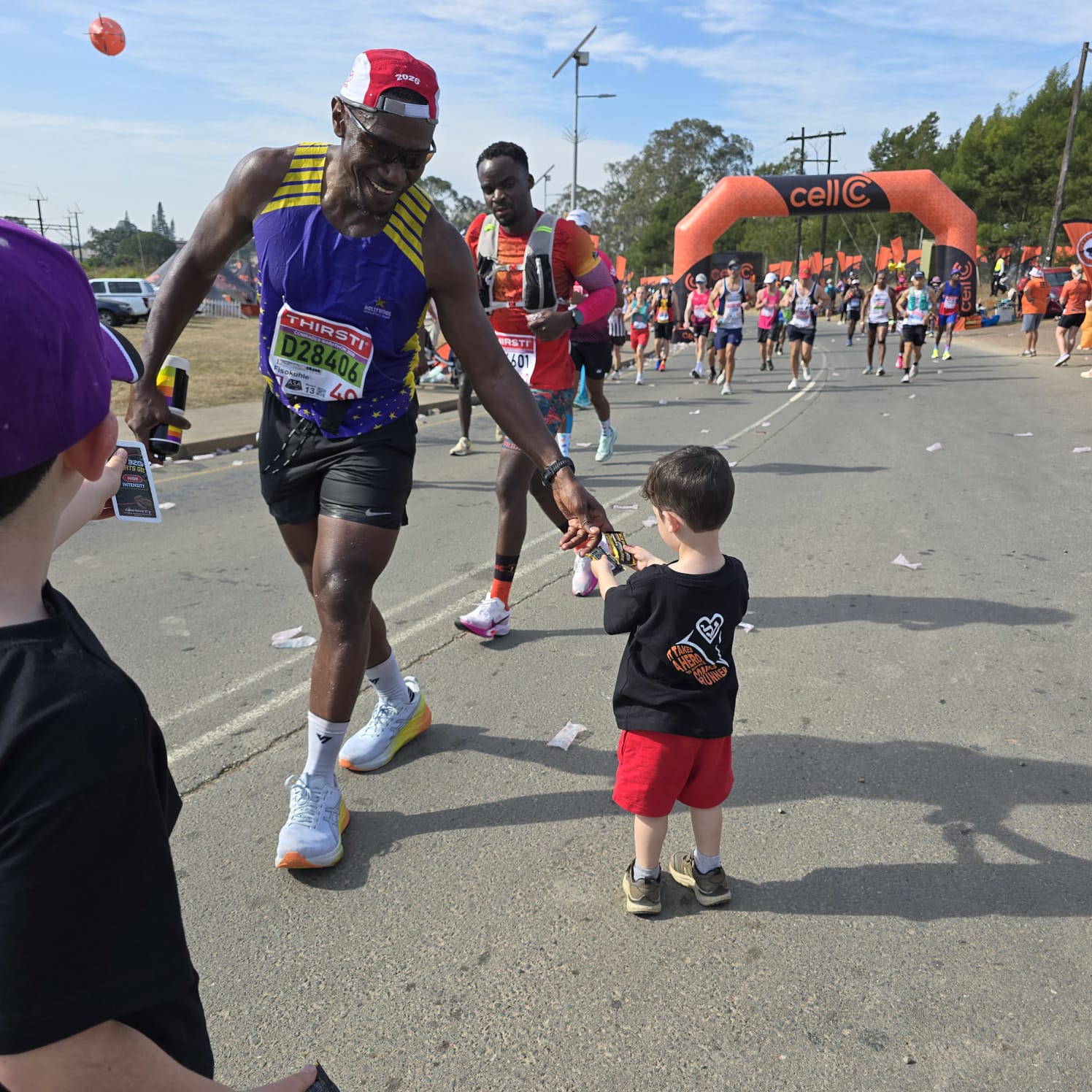
A year after Israeli runners were harassed along the Comrades Marathon route, Jewish athletes returned to South Africa’s most prestigious ultramarathon in force, completing the gruelling 86.8km without major incidents and celebrating achievements forged through months of sacrifice, discipline, and community support.
The 2026 Comrades Marathon, an up run from Durban to Pietermaritzburg, drew more than 20 000 runners and unfolded against the backdrop of heightened concern within the Jewish community. In the weeks before the race, the South African Zionist Federation wrote to organisers warning of the risk of repeat harassment and intimidation.
In 2025, several Israeli runners reported being targeted by protesters carrying Palestinian flags and shouting political slogans, including being told to go home and that they were not wanted in South Africa. The incidents drew widespread condemnation from Jewish communal organisations and race participants.
This year, runners interviewed by the SA Jewish Report said the atmosphere was markedly different. Johannesburg runner Michael Shapiro, who completed his fifth Comrades while raising funds for the Malka Ella Fertility Fund, said the race passed without problems. “There were no incidents,” he said. “Israeli runners were safe.”
He noted that a few Palestinian flags and protest displays were visible along the route, but said they had little impact on participants. “Some of them ran anonymously, unfortunately,” he said of Israeli runners. “They were harassed last year, as you remember. So, this year they were very cautious. But there were no incidents. It went off without a hitch.”
Several of the Israeli athletes who were harassed returned this year and completed the race without being targeted. One Israeli athlete, who asked not to be named, told the SA Jewish Report, “Baruch Hashem there were no incidents and all went smoothly and peacefully.”
The focus for most runners wasn’t politics but survival. The Comrades is widely regarded as one of the toughest ultramarathons in the world, and competitors spend months preparing for race day.
For Desiree Gaddie, a Johannesburg runner, coach, and captain of a Comrades training group, reaching the start line was an achievement in itself. Her mother became seriously ill during her training and passed away in March.
Around the same time, Gaddie suffered a severe flare-up of a chronic inflammatory skin condition and underwent surgery just a month before the race. “I thought, ‘am I ever going to get to the start line?’” she said. Despite the setbacks, she resumed training within a week of leaving hospital and completed the race.
Gaddie, who is also the general manager of an information technology company, said balancing work, training, and family responsibilities required extraordinary commitment. She typically wakes at 04:00 to train, six days a week.
For Dean Joffe and Hayley Pogir, success came through relentless consistency. Both train with Mavericks, an endurance sports club in Johannesburg, and follow structured programmes combining running, cycling, swimming, and strength work.
Joffe has become known among fellow runners for an extraordinary streak of consecutive training days. “I haven’t missed a day in more than five years,” he said. As of the day after Comrades, he had trained for 1 992 consecutive days. “The reason I did that is I hate lazy people,” Joffe said. “A lazy person will always find an excuse not to do something, and a busy person will always give you a reason to do something.”
Pogir said endurance sport teaches resilience beyond athletics. “Life is hard and things do get hard,” she said. “It’s only your head and your training that actually get you from the start line to the finish line.”
Veteran runner Avron Krasner completed his 15th Comrades, while his wife, Zelda, completed her fourth. Krasner described the emotional atmosphere before the start, when runners gather in darkness for the traditional playing of the national anthem, Shosholoza, and the theme from Chariots of Fire, before setting off.
“When you hear Chariots of Fire, you get chills,” he said. “You’re almost shedding a tear because you’re part of a very select group of people.” He believes the race reflects the best of South Africa. “It doesn’t matter whether you’re rich or poor, black or white. Everybody’s helping each other,” he said.
For Dale Shein, running has transformed his life. Originally from Bloemfontein, he said joining the running community and participating in the Malka Ella charity initiative helped him integrate into Johannesburg’s Jewish community.
“The camaraderie between those raising funds for a common cause has made a massive difference in my life,” he said. Stein completed the race in 8:22, achieving the sub-nine-hour goal he had set himself.
A significant number of Jewish runners participated through fundraising initiatives linked to Malka Ella, which supports Jewish couples facing infertility challenges. Kim Abadi, who helps coordinate the organisation’s activities, said runners drew motivation from knowing they were helping others. “It gives it so much more meaning,” she said. “It adds meaning to their own personal challenge.”
The support network surrounding Jewish runners has become a Comrades tradition of its own. Dan Stillerman, a former Comrades runner, chose not to run this year. Instead, he transported his Vespa scooter from Johannesburg to Durban and spent race day travelling between support points with his fiancée to cheer on participants.
He described the encouragement runners receive as invaluable. “When you see somebody, a loved one, a friend, family support you through the route, it just gives you a huge boost,” he said.
This year’s race was also historic at the elite level. South Africa’s George Kusche won the men’s race in a new up-run record, while Gerda Steyn claimed her fifth Comrades title, setting a new women’s up-run record.
For Jewish participants, however, the biggest victories were often personal. Whether overcoming grief, illness, self-doubt, or the memory of last year’s intimidation, they crossed the finish line united by a shared sense of accomplishment.
As Pogir reflected, the race strips away the differences that separate people in everyday life. “You have chief executives of companies and security guards,” she said. “You’re all about to embark on the ultimate human race.”