





Lifestyle/Community
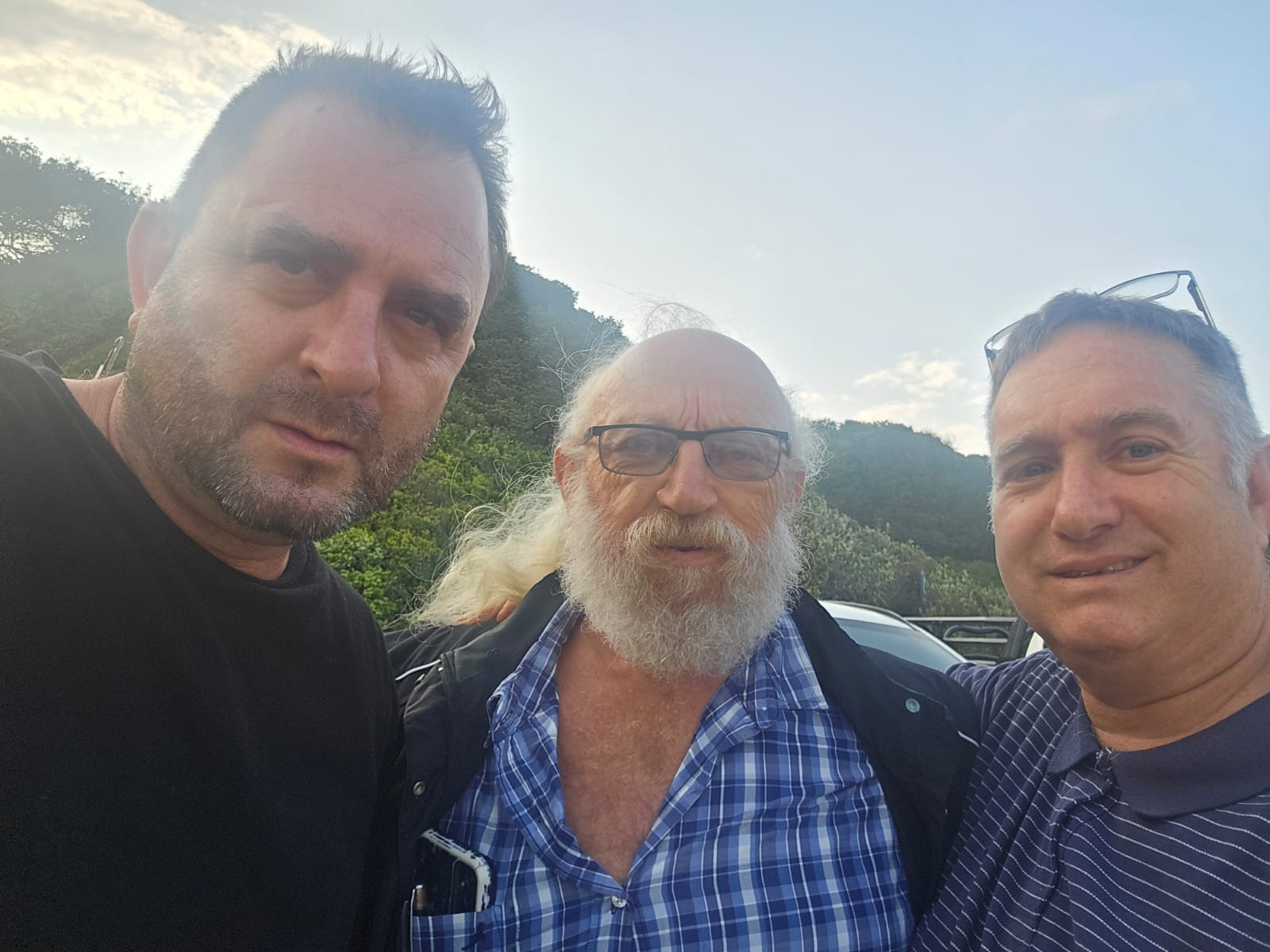
Rosh Hashanah brings new life to East London shul

The dwindling Jewish community in East London (KuGompo City) once again filled its shul for Rosh Hashanah services, with a full minyan throughout the festival despite torrential rain.
The East London Hebrew Congregation held evening and morning services, with Rav Ilan Herrmann travelling from Johannesburg to lead them.
For a congregation of about 26, most of them elderly, the weekend represented an important return to communal Jewish life after years in which full high holy day services weren’t possible. “We amazingly had minyanim for the services,” congregation secretary Ellen Ettinger told the SA Jewish Report.
The achievement came after a particularly difficult period for the community. Its last full Rosh Hashanah services were in 2019, before a prolonged dispute with its then rabbi and the disruption caused by COVID-19 stopped regular services.
The situation had a significant effect on the congregation’s ability to function. Previous reporting by the SA Jewish Report described a community struggling to maintain regular religious life.
“Over the years, we’ve never ever had a full Rosh Hashanah,” Ettinger said. “We either had perhaps in the morning and not Yom Kippur, or we had Yom Kippur and nothing over Rosh Hashanah.”
The congregation recently renovated and re-equipped the former rabbi’s house to make it habitable again before Rosh Hashanah.
“We spent thousands of rands and many hours going shopping to equip it properly,” Ettinger said. “We had to bring everything up, crockery, cutlery, everything from the shul.”
The house can now accommodate five people across three bedrooms, with additional space available if required. The aim is to make the property available to Jewish visitors who want a kosher holiday in East London, while also encouraging religious visitors to provide services during their stays in return for accommodation.
Ettinger said a family from Johannesburg, including a rabbi, his wife, and their two children, is expected to visit towards the end of the year, and has indicated that it would like to conduct some services while there.
“If anybody wants to come down and do a Friday night service or Saturday morning service in return for having their house along that basis, we’d love to have people,” she said.
Herrmann became involved after seeing an advertisement for the Rosh Hashanah services. He contacted the congregation and travelled to East London with Errol Hurwitz, to help make a minyan.
Louis Robinson, president of the congregation, said the presence of the two visitors allowed the community to hold services on both mornings, something it had been unable to do for many years.
“We had a minyan both days and nights. And we just scraped it,” the rabbi said. He estimates that the Jewish community in the city now numbers only a few dozen people.
The weekend also included communal lunches at the rabbinical house. For Ettinger, the social aspect was as important as the services themselves. “The community really came alive,” she said.
The difficult weather made the achievement more striking. Heavy rain flooded drains around the shul, making access difficult. Ettinger described the conditions as so severe that members “practically had to swim” their way into the shul. Despite the weather, community members who were able to attend came together for the services and meals.
The congregation’s small size remains its biggest challenge. Ettinger said many of the people who previously had the knowledge to lead services had died, while most of those left are elderly. She does not expect East London to return to the type of Jewish community it once was, with services every Friday night and Saturday morning.
Instead, the congregation is looking at a model based on occasional services, communal meals, and visiting rabbis. “The way we see it is to bring somebody down occasionally and get the community together, maybe to have a dinner together and have a service,” she said.
The community had previously considered selling its shul and creating a smaller prayer space in part of the rabbinical house.
For now, the Rosh Hashanah weekend provided evidence that the congregation can still gather when the necessary support is available. “We are going to try and do this more often for the community,” Robinson said.
Herrmann said the experience showed that there was still a Jewish presence in East London that could be supported through visiting families, rabbis, and other members of the wider community.
After years in which its future appeared uncertain, the East London Hebrew Congregation has had an opportunity to gather again. For a community that has struggled to reach a minyan, having enough people for every Rosh Hashanah service was significant in itself. The challenge now is turning that weekend into an ongoing connection between East London and Jews elsewhere in South Africa.





Linda
September 18, 2026 at 11:48 am
God bless, protect and prosper the Jewish community of East London.🙌❤️ Numbers 6:24-26. Thank you for your great contribution to the city and surrounds over many years. You are awesome and we love you.
IsaacsonTheo
September 18, 2026 at 11:50 am
Shalom all dear congregants I was born and raised there my late grandfather Lionel smith was a staunch shul goer shabat he used to walk to shul Friday night and Saturday from Arundel court never missed a Shabbat rabbi kuperwitxz was the rabbi at the time what memory’s especially my days at chader twice a week good memory’s have a good Shabbat shalom and a Chatima yon tov Theo Isaacson
Betsy-Jane Scott
September 18, 2026 at 3:31 pm
Jewish people of East London: Don’t let your spirit die. Keep going with your faith and presence in your town.
Marc Kopman
September 18, 2026 at 8:55 pm
Kol Hakavod so nice to read this.
We lived in Queenstown for five years in the mid 1980’s and the East London community we always viewed as our big regional brother at the time in fact it’s Rabbi did the Brith Milah for our youngest son in Queenstown.
We’ve since lived in Krugersdorp and we can easily draw a very similar comparison with our community here and the East London community, we continue against all odds now in our fourth Shul since 1894.
Wishing you all only the best for the future