


Lifestyle/Community
Cape Town keeps the light of 7 October heroes alive

Stories of Israelis who risked their lives to defend their kibbutz communities shaped Cape Town’s commemoration of 7 October.
The South African Zionist Federation (SAZF) Cape Council hosted the event on Wednesday 7 October, marking three years since Hamas-led terrorists attacked southern Israel, killing about 1 200 people and abducting 251 hostages into Gaza.
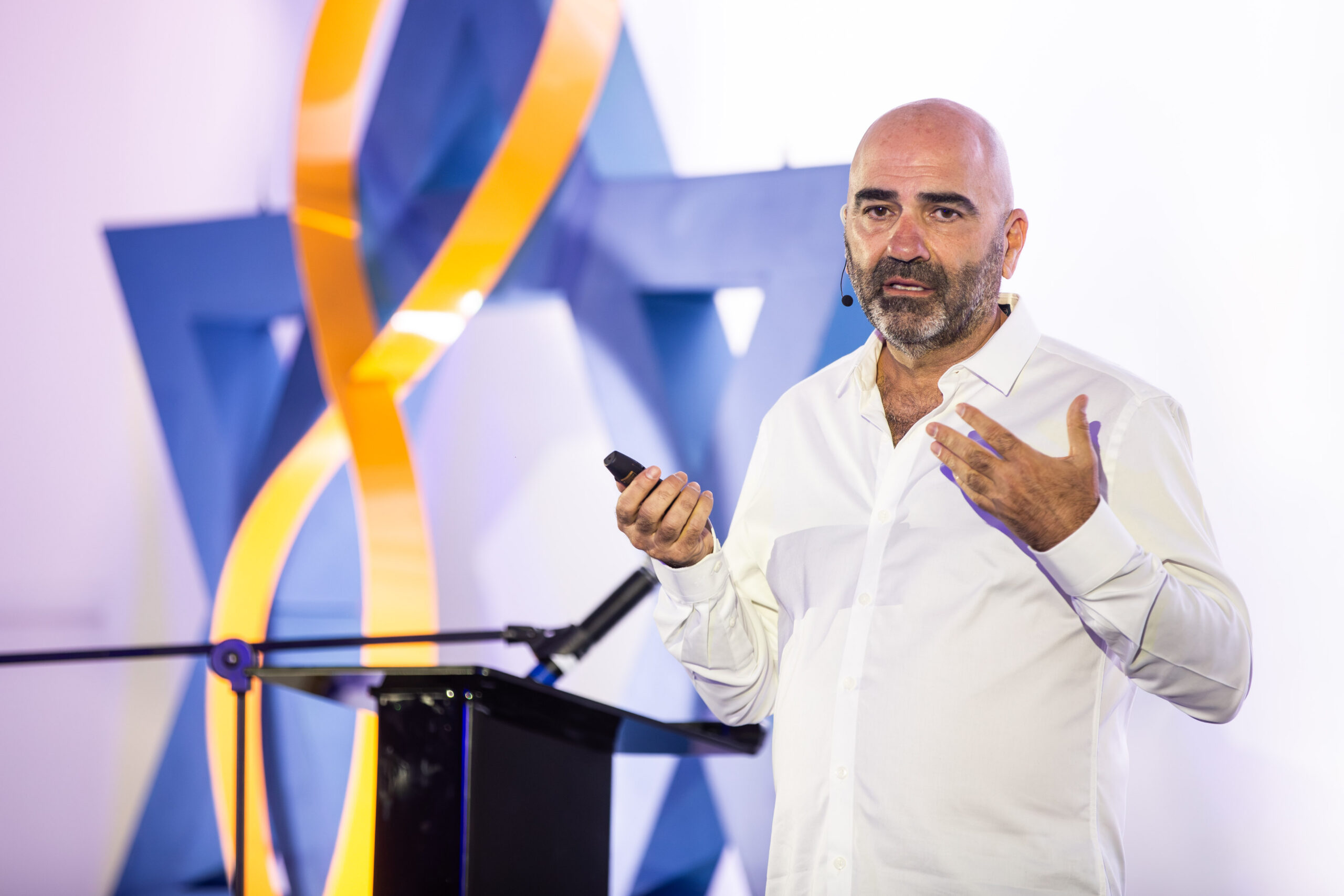
The evening, titled Heroes Among Us, featured Israeli leadership mentor Doron Libshtein, who lost his brother, Ofir, in the attack. Through stories from 7 October, he explored how ordinary people can respond to extraordinary circumstances.
The event was presented in partnership with the Cape South African Jewish Board of Deputies (Cape SAJBD), The Wilfred and Fay Back Charitable Trust, The Base, and the Jewish National Fund of South Africa (JNF SA).
SAZF Cape Council chairperson David Cohen told the gathering it was the first commemoration since all the hostages had returned home, albeit some to be buried.
He thanked the community for attending, describing it as a declaration of solidarity. “You cannot stop being a people,” he said. “Whether you live in Cape Town, Cleveland, or Kfar Saba, we are one people.”
Cohen said the 2023 attack had shattered the assumption that antisemitism could be relegated to the past. He highlighted the displacement of Israeli communities and the mobilisation of Jewish and Christian Zionist communities around the world in the aftermath.
A message from Hen Feder, deputy chief of mission at the Israeli Embassy in South Africa, acknowledged the South African Jewish community’s solidarity.
The message remembered the victims, their families, the residents of communities near Gaza, and the survivors of captivity. It also emphasised the importance of preserving Jewish life, identity, and the connection between South African Jews and Israel.
The commemoration’s central address came from Libshtein, whose brother Ofir, 50, and his 19-year-old nephew, Nitzan, were killed at Kibbutz Kfar Aza on 7 October.
“He was my best friend in the world,” Libshtein said of his brother, a prominent community leader who died defending the kibbutz.
He also spoke about Inbal Rabin-Lieberman, 25, who was responsible for security at her community near the Gaza border. On the morning of the attack, she distributed weapons to the security team and contacted the army for assistance. Her actions helped prevent terrorists from entering the community.
Another story concerned Amit Mann, a 22-year-old paramedic who went to assist wounded people at a clinic in Be’eri. Terrorists entered the clinic and killed her. Libshtein also remembered Ben Shimoni, who had attended the Nova festival. After initially rescuing people fleeing the attack, Shimoni returned to the area to save others. He was killed on his third rescue attempt.
Libshtein said the question “How can I help?” could make anyone a hero. It wasn’t limited to soldiers, emergency responders, or people trained to confront danger.
He described his sister-in-law, Vered, as another example. She lost her husband, Ofir, her son Nitzan, her mother, Bila, and a nephew in one day. After surviving the assault with her other children, Vered committed herself to rebuilding their lives. She helped relocate members of the Kfar Aza community and had since taken on a leadership role within the kibbutz, helping communities displaced by the attack. For him, these acts of rebuilding represented a continuation of Ofir’s legacy.
Following his brother’s death, Libshtein began using his experience in leadership and personal development to help people affected by trauma. He worked with residents of communities near Gaza and later supported wounded soldiers and former hostages.
Libshtein thanked the Cape Town community for its support since the attack. He said he had witnessed a community in which Jews from different religious movements and backgrounds worked together. “I think that what you do here is shlichut,” he said, referring to a sense of responsibility to serve others. “We need you here as people of light.”
He urged attendees to consider who in their own communities might need support. “Who needs a hug? Who needs support? Who needs a connection? Who needs help?”
During the gathering, candles were lit to honour victims of 7 October. Each candle represented a life, a family, and a future cut short. Among those remembered were Amit, who had hoped to study music production; 18-year-old soldier Shahar, who dreamed of studying fashion design; and Shoham Turgeman, who loved travelling and spending time with friends.
The ceremony also honoured police officer Yulia Vakser, who was providing security at the Nova festival; peace activist Vivian Silver; Thai agricultural worker Somkuan Pansa-ard, and Staff Sergeant Itai Marziano, who died protecting others.
As the community marked the third anniversary of the attack, Libshtein’s message was that remembrance must extend beyond an annual ceremony. He called on people in Israel and the diaspora to turn their concern for others into practical action, strengthening the relationships that sustain communities through crisis. “Only together will we learn from the experiences of 7 October,” he said.