


Lifestyle/Community
So you think you know Israel?

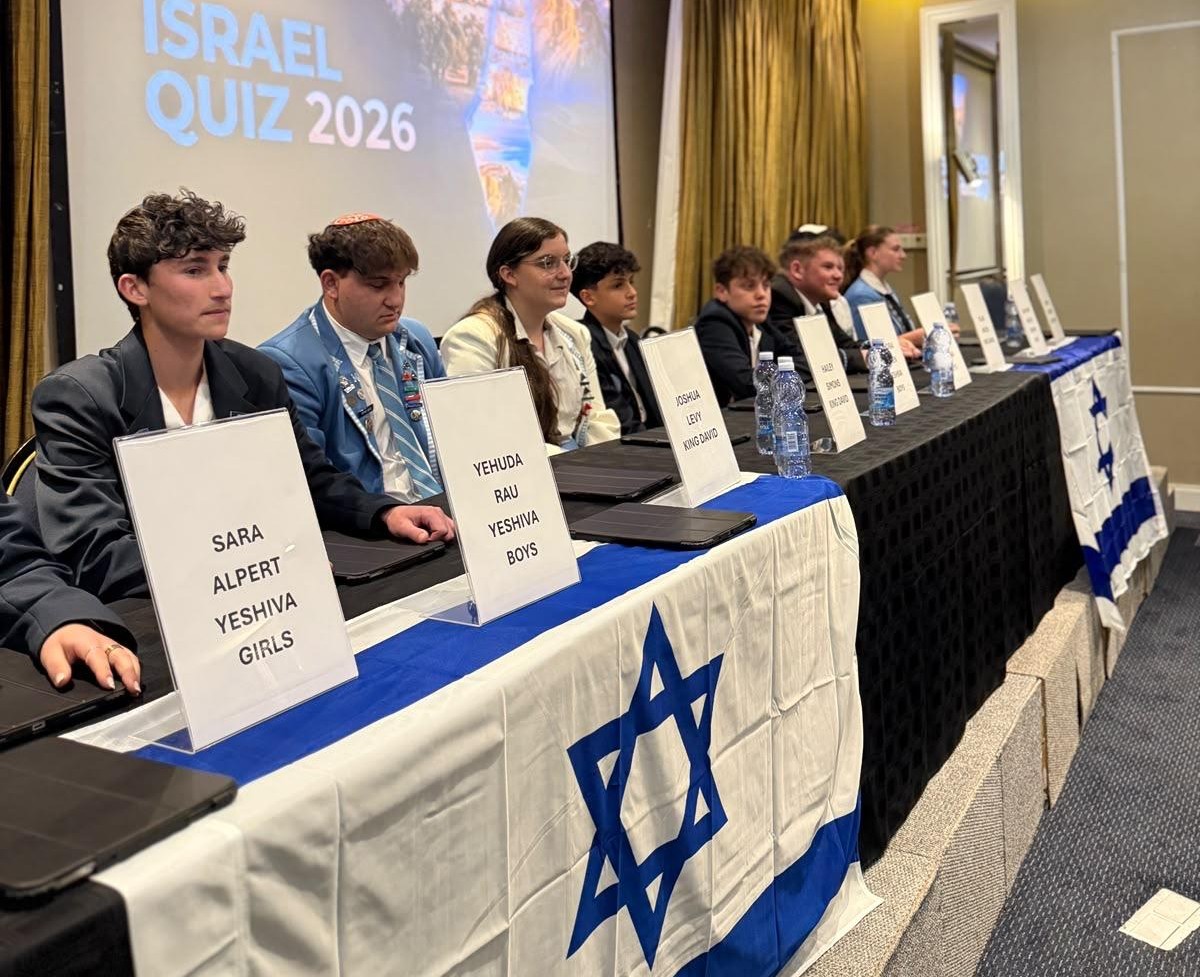
Johannesburg’s young Zionist minds were put to the test at the 2026 Israel Quiz, with Hailey Symons, a Grade 11 pupil at King David High School, taking home the top prize – a ticket to Israel.
Joshua Levy of King David High School finished second, with Moshe Mandelberg of Yeshiva Boys High School in third.
For Ronli Dorfman, South African Zionist Federation (SAZF) Israel education manager, the competition was the culmination of months of preparation and a reflection of the work she is passionate about: helping young people build a meaningful connection to Israel.
Dorfman led this year’s competition together with Rabbi Ramon Widmonte and his Academy of Jewish Thought and Learning, through a partnership between the SAZF and the Israel Centre of the Jewish Agency for Israel.
Participants demonstrated an impressive knowledge of Israeli history, people, geography, and defining moments, leading to a closely contested final.
Behind the excitement of that final lay the patient work of developing a programme that young people would want to take part in. Dorfman invested considerable energy in making the quiz relevant, engaging, and rewarding, working with Rabbi Widmonte and the academy to combine serious learning with the excitement of competition.
Giving Jewish pupils motivation to discover how much there is to know about Israel is especially significant today. For many young Jews, Israel is increasingly encountered through war, politics, protest, and the often hostile world of social media. The quiz offers a broader picture, introducing them to the country’s history, achievements, challenges, people, and places.
For young South African Jews, a meaningful connection to Israel cannot simply be assumed or inherited. It needs to be nurtured through education, experience, and conversation. Programmes like the Israel Quiz give them the opportunity to develop an understanding that reaches beyond a headline or a social-media post.
The competition also demonstrates that Zionist education can generate its own excitement. The prospect of reaching the final, competing against knowledgeable peers, and winning a prize gives pupils added incentive to immerse themselves in Israel’s story. By the time they actually compete, much of the purpose of the quiz has already been achieved.
Ethiopian Airlines generously donated air tickets as a prize. iStore also provided prizes, while iStore Education made the iPads used during the competition available to the organisers. Dorfman expressed particular appreciation to all three organisations for their ongoing support. Their contributions, together with the partnership of the Israel Centre of the Jewish Agency for Israel, helped make the competition both possible and memorable for those taking part.
For Symons, the result was a particularly fitting reward. Having demonstrated her knowledge of Israel from Johannesburg, she will now have the opportunity to experience the country for herself.
But the achievements extended beyond the winner’s prize. Every participant finished the competition with a deeper knowledge of Israel and the satisfaction of having worked towards something demanding.
For the SAZF, Dorfman, and her partners, that is the lasting value of the initiative. The final provided the excitement, but the months of learning behind it built something that will endure well beyond the last question: a more informed and personal connection between young South African Jews and Israel.