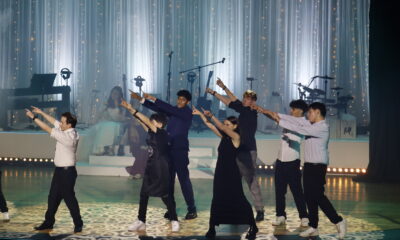
Youth
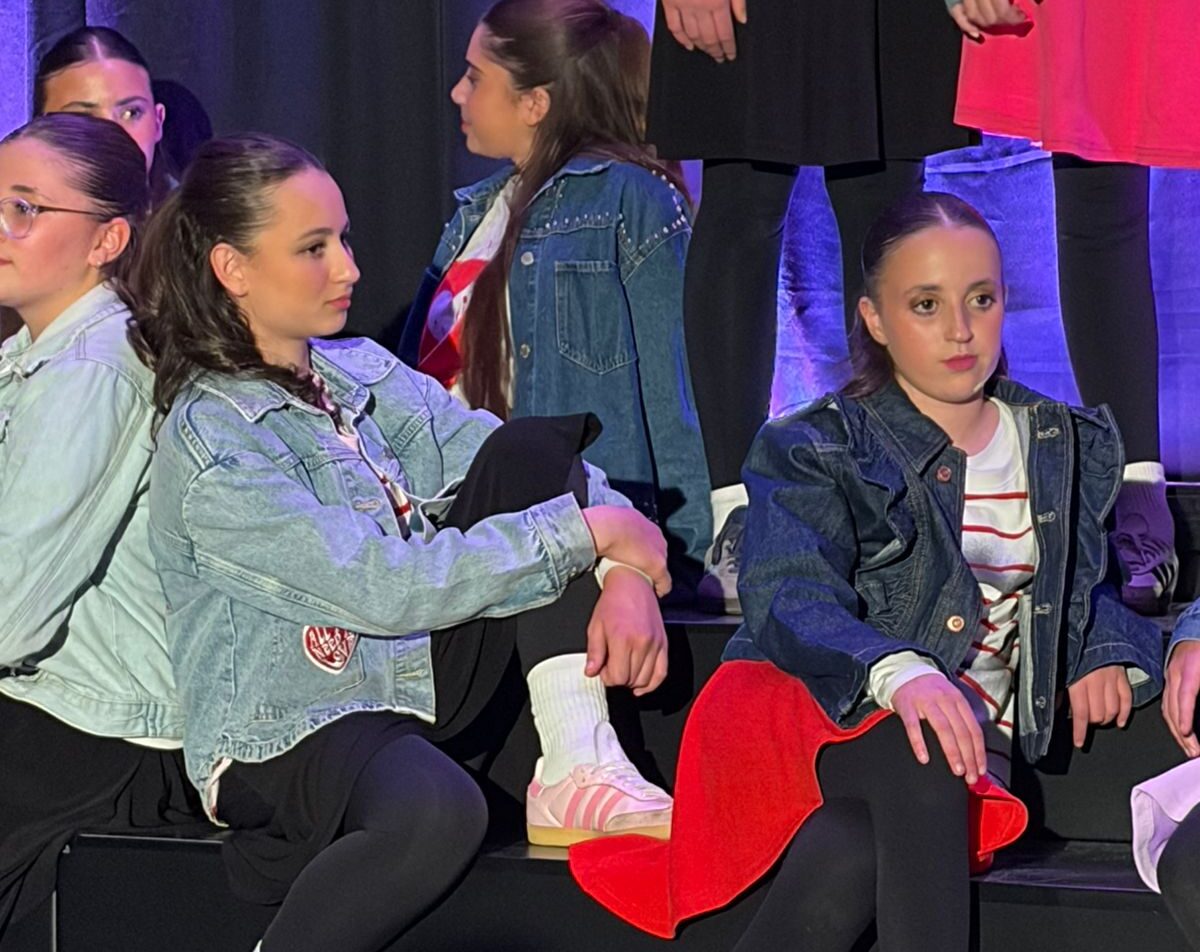
The songs Hashem put in Yeshiva girls’ hearts

What happens when teenage girls are given a stage not simply to perform, but to express the things they may not know how to say aloud? That idea lies at the heart of Yeshiva College Girls High School’s Heart Songs.
The musical production encourages pupils to explore the experiences that shape them, recognise the struggles others may be carrying, and, ultimately, discover the unique “song” Hashem has placed within each of them.
Director and producer Shaynah Crouse said the production was created collaboratively with the girls, who wrote pieces drawn from real-life challenges, hopes, aspirations, and ideals. “They have shared the responsibility of telling each other’s stories,” she said, using the production to bring into the open thoughts and feelings that people so often keep internalised.
The intention wasn’t simply to put difficult emotions on stage, but to create something in which others could recognise themselves and feel “a sense of acceptance, shared experience, and that no one ever needs to feel vulnerable and alone”.
For Crouse, this is what makes a school production valuable long before the curtain rises. “A show is about so much more than entertaining an audience,” she said. “It’s a platform to make real connections that will affect and inspire others.”
In fact, she believes that “the process is more important than the outcome”. Through creating Heart Songs, the girls have grown, gained confidence, and experienced the sense of achievement that comes from finding and fulfilling their own unique purpose.
In Heart Songs, the girls confront issues that are part of growing up, including friendship, belonging, self-image, expectations, uncertainty, and the pressure to fit in. These aren’t presented simply as abstract teenage struggles. Many of the ideas grew out of the girls’ own experiences and the things they wanted to express.
For pupil Leora Dembo, taking part changed the way she thinks about the people around her. “You never truly know what someone is going through,” she said. “Everyone is going through their own struggles and the most important thing is to be kind and not judge as we will never know what it’s like to be them.”
For her, Heart Songs became “so much more” than a school play because of the reality of what the girls were exploring.
It’s a sentiment echoed by Liya Radomsky. “I truly believe that everyone has something in their heart that they want to share but are often too afraid to,” she said. “This whole production is made up of little parts of each and every one of us.”
The experience also made her think differently about the characteristics people sometimes wish they could change about themselves. “Those differences are what make us unique, and they’re something we should celebrate, not hide.”
That willingness to be vulnerable is central to what Yeshiva College Girls High School principal Rebbetzin Natalie Altman hoped the production would give the pupils. Having heart, she said, means being wholehearted and having “the courage to be joyful, truthful, vulnerable, and authentic”.
“We want every girl to know that who she is matters, that her voice matters, and that her unique gifts have a place in this world,” she said.
But the idea of finding your own voice in Heart Songs goes deeper than self-acceptance. At its centre is the relationship between the individual and Hashem. Altman said song is one of the greatest expressions of that relationship because it can communicate what ordinary words sometimes cannot.
“We sing when we rejoice, we sing when we grieve, and we sing when words alone are no longer enough,” she said. “Music reaches places that ordinary conversation cannot.”
Yet, she said, the production is “about even more than music. It is about discovering our own unique song.”
Drawing on the teachings of Rav Avraham Yitzchak HaKohen Kook, Altman said one of life’s greatest callings is discovering “the unique song of our own soul”. As a person grows, that song can expand beyond the individual to embrace the Jewish people and humanity, and ultimately become part of their service of Hashem.
It’s an idea that pupil Liya Perez came to understand through being part of the production. Everyone, she said, is fighting battles that often cannot be seen, but even in those moments, there are people willing to lift you up. And beyond them is the knowledge that “Hashem will always be guiding and lifting us up” and helping each person connect with the “unique and meaningful songs that He has placed within each of our hearts”.
Ultimately, Heart Songs doesn’t ask its girls to have everything figured out. Instead, it gives them permission to acknowledge what they’re carrying, to listen to one another without judgement, and to recognise that being different doesn’t mean being out of place.
It asks them to find the song Hashem has placed within them, have the courage to sing it, and trust that it was put there for a reason.