





Youth
Teens keeping spiked-drink experiences from parents

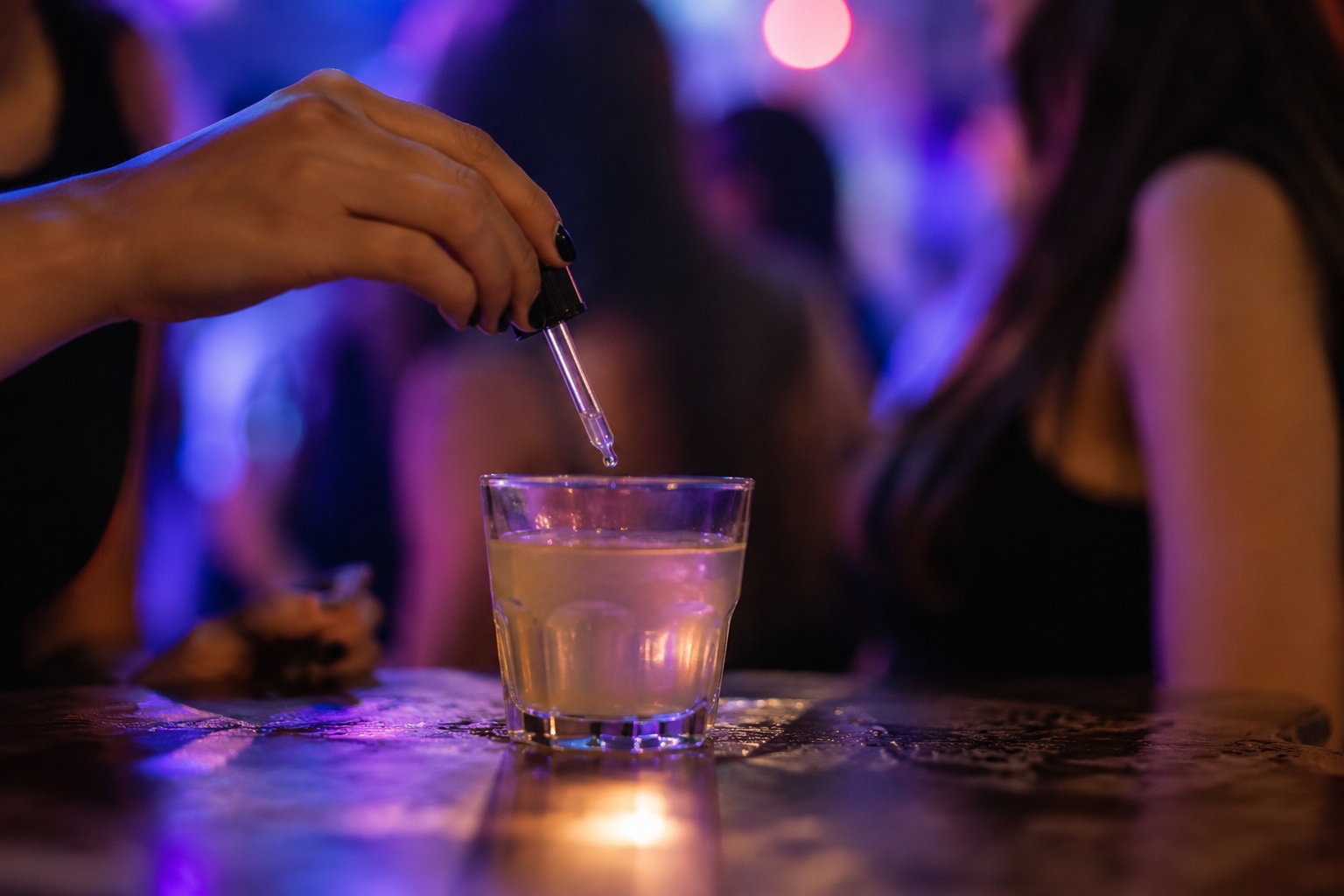
There is a growing problem of teenagers’ drinks – even tap water – being spiked at clubs, pubs, and parties but them being afraid of their parents’ reaction if they find out.
Sheri Davimes-Hanson, mental health coordinator at Hatzolah Connect, says the support line gets many calls from teenagers saying their drinks were spiked but they do not want to tell their parents.
“They come to us because there’s so much shame that comes with it and so much guilt around how they are going to explain that they were out drinking and now something happened. It’s almost like they feel they need to take the responsibility for that on themselves, which is totally inaccurate. All they’re doing is being normal teenagers,” says Davimes-Hanson.
Fear of being blamed for drinking, whether they were drinking or not, and being punished by parents or dismissed by friends can keep those who suspect their drinks were spiked from speaking up, leaving many to cope with confusion and trauma alone.
The reality is that no matter how careful young people are, their drinks can be spiked. Tammy Cohen* ordered a glass of tap water from a bar to sober up but landed up feeling paralytic. The more water she drank, the worse she felt.
She had gone out with her friends to celebrate her birthday. After drinking at home before going out, she didn’t want to drink any more alcohol and so opted for water from a jug at the bar.
“By the end of the night, I was drunker than my friends who had carried on drinking,” she says.
She didn’t suspect anything was wrong with the water until she couldn’t stand up. “This was the first time I ever got sick from drinking, and I wasn’t even drinking alcohol,” she says. Her friends had to help her walk and take her home.
“The next day, it was like I had a hangover but a hundred times worse.” She couldn’t remember a single thing that happened, except that she had drunk water from the bar. When she phoned the bar to tell them that she thought her water had been spiked, she was told she wasn’t the only one.
“I was lucky in that my friends took care of me and took me home. The manager of the bar told me that some people were left on the floor in the same state I was in,” she says.
One anonymous Johannesburg mother explains that when her two daughters started drinking, she warned them to be careful and to watch their drinks, but still, her daughter and her friends had experienced their drinks being spiked.
“I don’t think parents realise how much this is happening … even though my daughter’s best friend knew what had happened to her, it still happened to the friend a few weeks ago,” she says.
“Parents need to establish ground rules with their children when they do go out because if you think your 16-, 17-, or 18-year-old isn’t going to drink, you’re totally wrong,” she says.
Her 18-year-old daughter went with her boyfriend to a house party and then to a nearby bar a few weeks ago. She didn’t drink at the house party and had only one drink from the bar, but suddenly blacked out.
The boyfriend called the mother and told her they were on their way home because something wasn’t right.
“I kept in touch with him, and then he had to pull over in the Uber at a garage because she was vomiting so much. He bought her some Red Bull to try rehydrate her a little bit. But he wasn’t really telling me much about what was going on. When they got home, she was in a terrible state, but it wasn’t like being drunk; she was very confused and very anxious and couldn’t remember anything and was in a panic and couldn’t sleep and kept crying and vomiting for hours,” she says.
The mother realised that she had never seen a person whose drink had been spiked before, so she didn’t know what to do. She let her daughter get everything out of her system, and thankfully nothing more serious happened.
“As a parent of girls, I’m worried about sexual assault. Because with most of these drugs, at some point you black out. And then anyone can do anything to you. If you’re not with a friend or a boyfriend who can look after you, you’re incredibly vulnerable to rape and sexual assault. And obviously getting beaten up or even terribly attacked, physically assaulted,” she says.
“I’ve always said to her that she must be careful and watch her drink, and she told me that even though these teenagers are warned, however careful you are, it can still happen,” she says.
This is why it’s important to go out in groups, to take only closed drinks, and never leave a drink unattended.
Rozanne Sack and Wendy Hendler, co-founders and directors of Koleinu SA, the helpline for victims of abuse in the Jewish community, explain that though they haven’t received many calls regarding spiked drinks, it is still a matter of concern.
“The biggest worry is that it’s the removal of consent. It’s not always about sexual assault. It can also be about theft. They get somebody drunk so they can take advantage of them,” says Sack. “It’s more about making somebody easier to manipulate. But sexual assault definitely can be a consequence of that. And basically just removing someone’s ability to make an informed decision.”
Victims of drink spiking often experience significant memory loss or gaps in their recollection of events. “Their account may seem confused or fragmented, but that doesn’t mean they shouldn’t be believed. Parents should avoid asking questions that imply blame, such as ‘Why did you get so drunk?’ or ‘Why did you accept a drink you didn’t see being poured?’ The responsibility always lies with the perpetrator, never the victim. Instead, parents should believe their child, report the incident as soon as possible, and seek immediate medical attention. If a sexual assault has occurred, the trauma is often compounded by feelings of shame and self-blame, making a supportive, non-judgemental response from parents even more important,” says Hendler.
*Her name has been changed to protect her identity as she is afraid of the consequences.






clive friedberg
July 9, 2026 at 2:15 pm
Spiking of drinks – My Nephew had a drink spiked in Johannesburg 40 years ago at the age of 18 and has never recovered. This is more dangerous than young people believe. Parents need to make their kids more aware of the dangers involved, such as drug dependency, rape, etc. All schools and organizations are responsible to get the message out to all students at High Schools where younger students are also vulnerable!!!!