OpEds
Uprising in Iran – is it different this time?

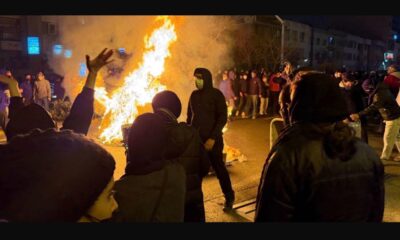
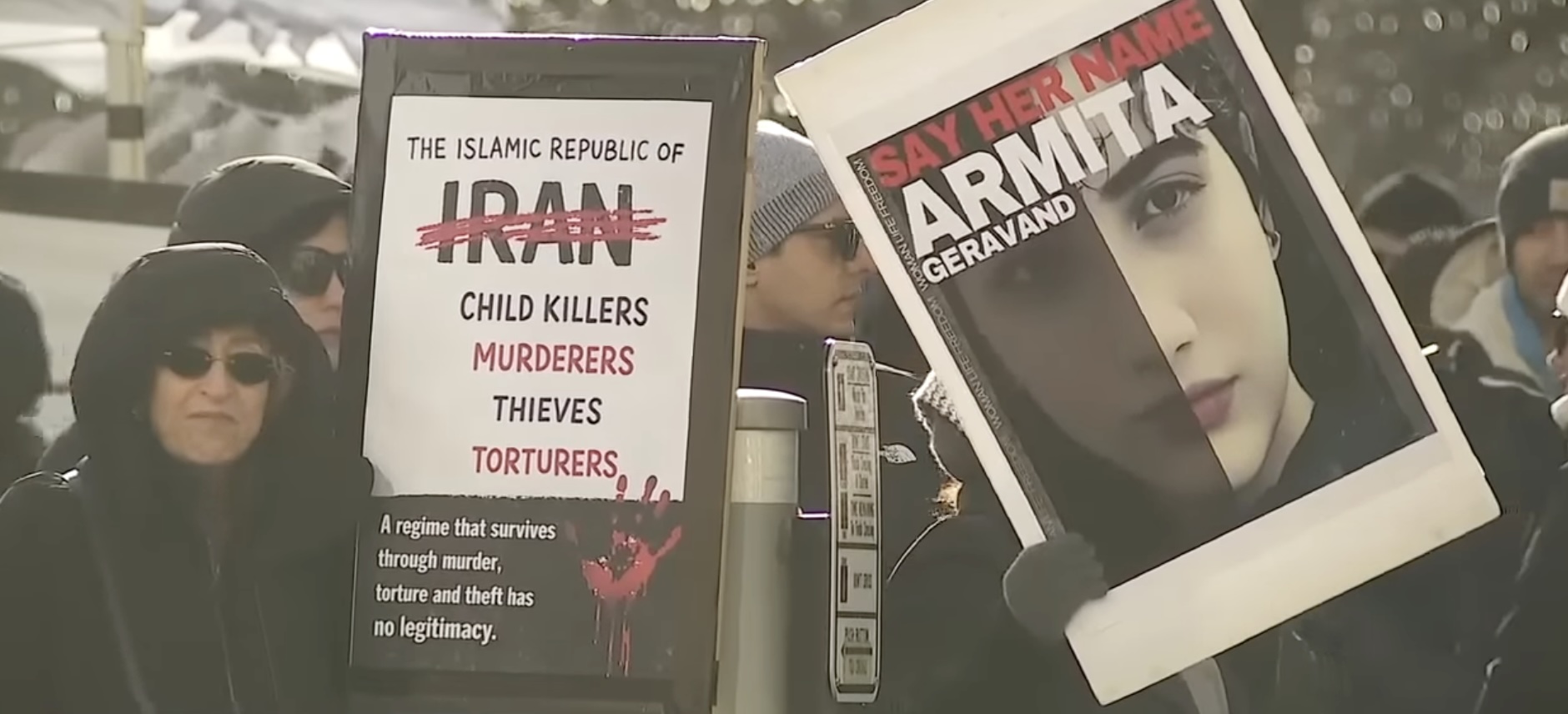
Over the past two weeks, Iranians have taken, in increasingly larger numbers, to the streets across the country to protest. The protests, which first began against the economic collapse Iran is now facing, have since grown into a massive push for a change of the current regime. Although still unconfirmed, the death toll over the past weekend is estimated to be in the hundreds.
Protests of a similar nature have happened repeatedly over the past 15 years. There was the Green Movement in 2009 against a disputed election; nationwide economic protests in 2017-2018; the petrol price riots in 2019; water and bread protests in 2021; and, of course, most recently, the “Women, Life, Freedom” demonstrations in 2022-2023 following the death of a young lady, Mahsa Amini, in custody for not wearing the hijab.
All of these protests eventually died out after a combination of vicious repression by the regime and exhaustion by the protesters. The question being debated now by many commentators is, could it be different this time, and might the regime be at serious risk of falling?
There are several factors combining to cause a “vicious confluence of events” that might mean this time it could be different, and there might well be a historic change coming to the Middle East:
- It’s always about the economy
The Iranian economy is in freefall. The rial is at its weakest level ever. One United States (US) dollar now equals just over one million rials. Inflation in Iran in 2025 was really high, with estimates of the average annual rate at 43%, and even higher peaks, like a 52% year-on-year in late December. This was driven by the collapsing currency; increased government borrowing; sanctions; and severe food-price hikes. It has led to most of the population battling to make ends meet, and, for the first time, this includes even the middle class. The New York Times reports that it has become hard to get basic groceries like cooking oil, and the prices of everyday staples like chicken have also increased massively. Small businesses are closing, and the protests are now becoming the riots of a desperate population. As Henry Kissinger famously said, “International politics is really all about local matters”, and that could ring true now in Iran.
- Mismanagement of the economy
The above has all been compounded by the regime’s mismanagement of the economy. Everyone in Iran knows about the hundreds of millions of dollars that have been spent on Hamas and Hezbollah, while the local population suffers This has led to the frequent cry during protests for the government to stop funding Hezbollah and Hamas and spend the money on Iranians. In addition, Iran has suffered a crippling drought, which has become so bad that there was talk of Tehran being evacuated. It has been aggravated by the government’s gross bungling of the situation by failing to maintain infrastructure and plan adequately.
- The 12-day war with Israel
Although the Iranian leadership claims to have won the 12-day war with Israel, it is clear it was well beaten. A large cohort of its senior military leadership was eliminated, as was much of its nuclear and ballistic missile capabilities, and it was shown to be unable to protect its people or airspace. Defeat in the war severely weakened its image at home, and led to the leadership’s air of invincibility coming to an end.
- The Israel-Hamas war
The just more than two-year Israeli war with Hamas and Hezbollah has been a disaster for Iran. Its proxies – Hamas and Hezbollah – have been severely weakened, while the Syrian government under Bashar Al-Assad has been removed altogether, and replaced by a regime that is now anti-Iran. A carefully crafted plan, worked on for about 25 years, to encircle Israel and project power into the Middle East, has collapsed, and left the Iranian leadership weaker both abroad and at home.
- An ageing leadership
Iran’s supreme leader is 86 and ailing. He sat out the 12-day war in hiding, which didn’t endear him to the people or the rest of the leadership. Clearly his time at the helm is nearing an end, and change of leadership is always a dangerous time for an unpopular government.
- Donald Trump
During the 2009 protests, US President Barack Obama largely stayed on the sidelines as he wanted to avoid giving the leadership an excuse to call the protests foreign backed. More importantly, he also was already looking at a possible nuclear deal, which he possibly wanted to keep alive, as that was a key priority of his.
President Joe Biden in the 2022 protests was far more vocal than Obama. He combined loud public support for Iranian women with targeted sanctions on those involved in suppressing the protests, as well as action to expand internet access to the population when it was cut off by the Iranian government.
Both sets of protests were put down by the regime, and pretty violently at that. The current US president, Donald Trump, has said publicly that he won’t allow the Iranian government to kill its civilians, and that “if Iran’s leaders start shooting, he will start shooting too”, but it remains unclear what he will do. He has a Republican base that doesn’t want to get involved in foreign adventures, but on the other hand, he did bomb the Iranian nuclear reactors during the 12-day war, and, of course, more recently, did capture Venezuelan President Nicolás Maduro in a daring special-forces operation. It is clear he is prepared to act decisively if he sees the need and an opportunity. Trump’s potential actions are a big unknown, but they were clearly making the Iranian leaders a little more cautious in their responses at the beginning of these protests. That caution has now worn off as the protests have spread across the country, and very soon, Trump will have to decide how to act. Active Trump intervention in the crisis could be the difference between this set of protests and previous ones.
Conclusion
Although there have been many false dawns in Iran’s recent history, the fact that this major uprising is based on desperate finances; the need of the people to put food on the table; and a despairing population, combined with a potential Trump intervention, this protest might be different. There has been much change in the Middle East over the past two years. We might be about to see even more dramatic events unfold.
- Baruch The Balanced is an attorney who can’t be named for professional reasons but who also studied politics and international relations at university.