


OpEds
The past feels uncomfortably present

The South African Jewish Board of Deputies is undertaking a significant archival project in partnership with the Yad Vashem World Holocaust Remembrance Center in Israel. Its aim is to catalogue and digitise portions of the Board’s archives relating to the South African Jewish community’s involvement in World War II and the Holocaust, as well as antisemitism in South Africa before, during, and after the war. At its core, the project seeks to ensure that these records are preserved and made accessible to a greater audience and future generations.
I am privileged to be part of the team working on this initiative. It has afforded us access to what can only be described as a remarkable and deeply revealing collection of documents, an archival treasure trove that offers profound insight into a defining and devastating period of history.
Immersing ourselves in these archives is allowing us to piece together a clearer, more coherent narrative of South African Jewish life during that time. It situates individual family stories within the broader context of the Holocaust, even for those not geographically caught up in the horrors unfolding in Europe. South African Jewish families sent fathers, brothers, and sons to fight with the Allied forces, raised substantial funds to support the war effort, assisted refugees in Europe, and helped resettle those who found their way to South Africa.
When reading newspaper articles and personal accounts, particularly those documenting antisemitism, we are often struck by how familiar they feel. Time and again, we have to remind ourselves that these words were written more than 80 years ago. The parallels with today are, at times, unsettlingly clear. The tone, the language, and the hostility they reflect can feel disturbingly current.
Had this project been undertaken before 7 October, the emotional distance might have been greater. These records may have seemed firmly rooted in a past that, while tragic, felt removed from present reality. That is no longer the case. Today, the line between past and present feels far less abstract.
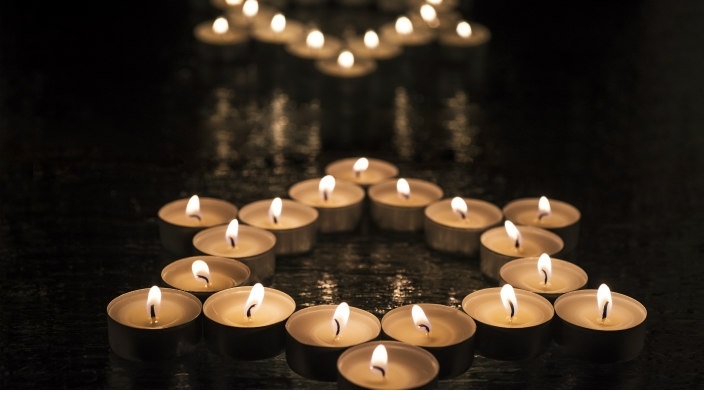
With the approach of Yom HaShoah, these reflections have taken on even greater weight. In the years since October 2023, Yom HaShoah feels different. Yom HaShoah has always been a day of profound remembrance, a time for the global Jewish community to mourn, to reflect, and to honour the memory of those who perished. But in the current climate, marked by renewed hostility, rising antisemitism, and a growing willingness in some quarters to distort or deny the past, the day feels heavier, more pressing, and more fragile than before.
In this environment, the importance of preserving and engaging with these records cannot be overstated. Projects such as the one undertaken by the South African Board of Jewish Deputies in partnership with Yad Vashem aren’t simply academic exercises or acts of historical preservation. They serve a far more immediate purpose: to ensure that facts remain accessible, verifiable, and resistant to distortion at a time when misinformation and denial are increasingly visible.
This year Yom HaShoah commemorations will take place in Johannesburg on 14 April at 17:15 at King David School; in Cape Town on 14 April at 12:00; and in Durban on 13 April at 18:00.
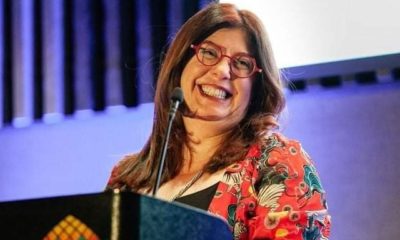
- Belinda Sussman is a chartered accountant by trade, mother of two, and a part-time researcher at the Yad Vashem project at the SA Jewish Board of Deputies.