





National Jewish Dialogue
Fixing SA starts with belief in potential to change

I’ve spent the past few years in classrooms where teenagers argue about poetry, halacha, politics, G-d, TikTok, war, and Shakespeare, sometimes in the same hour. I’ve seen students cry during davening and fall asleep over Macbeth. I’ve watched them wrestle with questions they don’t always have words for. Our schools aren’t removed from the world. In many ways, they reflect its tensions, sometimes painfully so.
The Jewish education space in which I work isn’t necessarily glamorous, and it’s not always a bubble. The students I engage with bring the world in with them in WhatsApp messages; in anxious glances at news alerts; in difficult questions about justice; identity; and fear. When I think about it, there’s a deep dissonance in standing in assembly and singing Nkosi Sikelel’ iAfrika right after Hatikva. I often look around and wonder what the students are thinking, but their faces speak volumes. Just minutes earlier, we may have said tehillim for Israel, listened to a short reflection about the situation, or stood for a moment of silence. I’ve heard students ask if Israel could be attacked and taken over, whether we’d still be safe here in South Africa if that happened. Whether anyone in this country would care.
These questions don’t come from nowhere. Our school calendar is filled with ceremonies and days of reflection: Yom HaZikaron; Yom HaShoah; special assemblies; and Sunday tehillim on campus. In the Jewish experience, school isn’t just a place of learning. It becomes the space where we collectively absorb the news, carry the grief, hold the tension, and try to process what it all means. For many of our students, this is where they learn how to care and what to do with that care when things aren’t entirely the way they should be. Given that they lived through a pandemic; have had to deal with images of war and hostage-taking on their phones; and now question whether they have a future in the country they call home, they’ve had to grow up with an awareness that’s complicated.
Not long ago, a student asked whether it’s still “safe” to be Jewish in South Africa. She wasn’t being dramatic, but trying to put a feeling into words. That led to a conversation about fear, voice, and what it means to live in a country that feels both home and not home at the same time. There were no easy answers, but an acknowledgement from the class that we had to accept the discomfort of not having the answer. That, to me, is what meaningful dialogue begins with.
These conversations come up in literature too. While reading Othello, I watched students notice how praise can turn to suspicion, or how someone can be welcomed publicly but doubted privately. That kind of tension doesn’t belong only to the play, but also to the world they’re growing into. As South African Jews, we live in that space. We’ve contributed to this country in ways both visible and invisible. And most people, I still believe, respect and value that contribution. But the noise has grown louder. I understand the instinct to withdraw, to keep our heads down, to feel more like tolerated guests than full citizens. But that’s not how we should want to do things.
Jewish schools won’t fix South Africa – that’s not what they’re for. But they can be places where students think seriously, feel deeply, and speak what’s on their minds. Where they practice responsibility, not perform it, and where they stay engaged, even when it would be easier to turn away.
A quote attributed to Charles Dickens says, “The whole difference between construction and creation is exactly this: that a thing constructed can only be loved after it is constructed, but a thing created is loved before it exists.” That reminds me of my students. So much of this work is about believing in them, in who they might become, even before they see it themselves. That’s also how I feel about this country. We don’t love it because it’s finished. We love it because we still believe in its potential.
That’s what I see in my classroom. That’s what I want to see in my country.
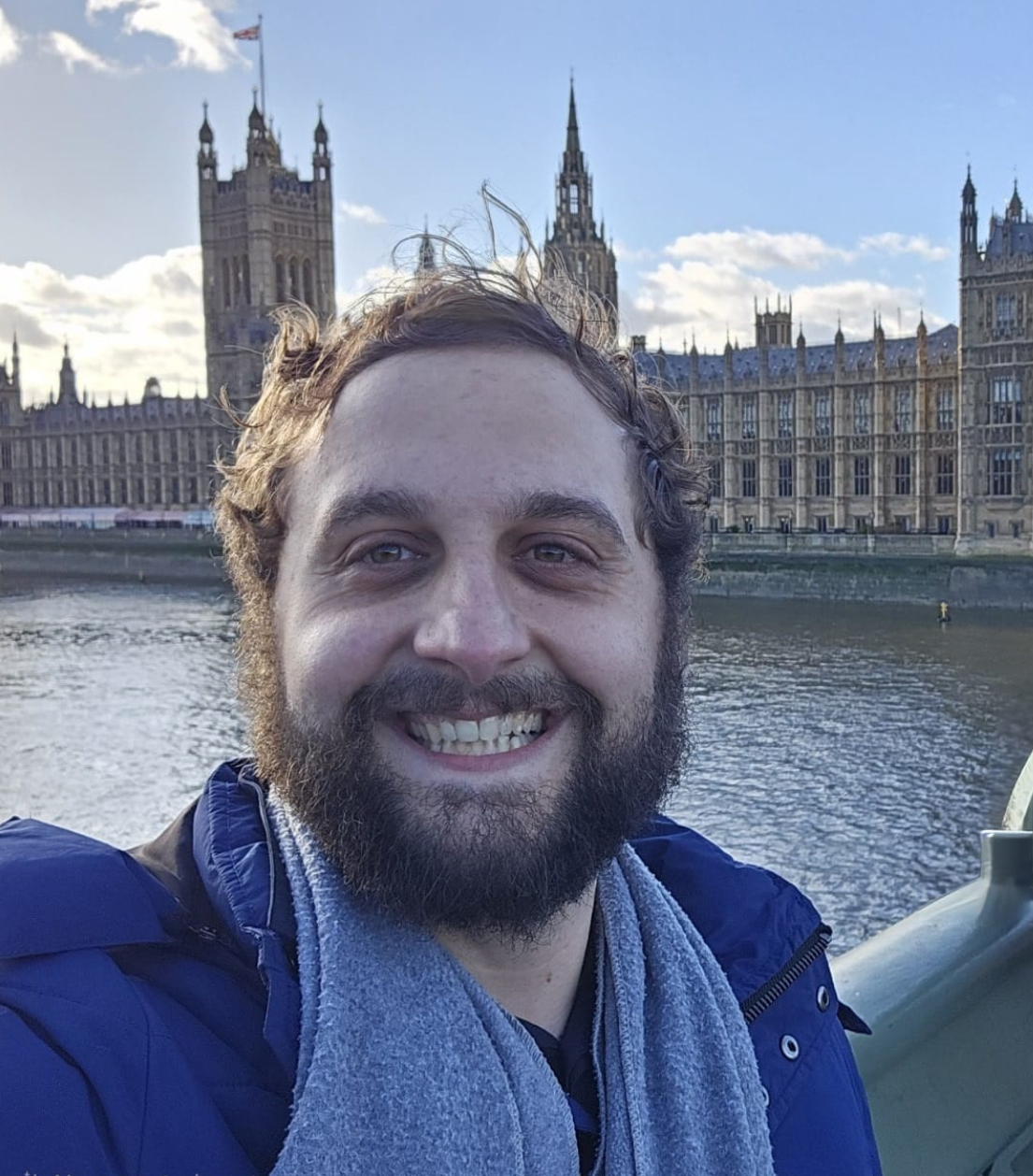
- Dr Jordan Moshe is an educator and deputy principal at Yeshiva College Girls High School.



