





National Jewish Dialogue
Doubling down on a failed conversation

The president’s National Dialogue has already earned justified mockery from across the political spectrum. Critics, from Julius Malema to John Steenhuisen, have labelled it what it clearly is: an elite “talk shop” with no legal mandate, no binding outcomes, and no connection to the structural realities of a nation in crisis. A 30-year “social compact” is promised, but how exactly this will be drafted or enforced remains a mystery, but we do have a glitzy cast of public figures and media personalities with no legislative authority or policy expertise to create this national consensus.
Now, in an act of what can only be described as performative mimicry, we have the National Jewish Dialogue, a community-specific spin-off of the same ill-conceived project. According to the SA Jewish Report, this initiative is meant to “dovetail” with the president’s call for national conversation. This is an idea built on quicksand, which will disappear faster than the foundation can be built.
The Jewish community and its structures over-estimate their worth in the sphere of South African politics. Are these bright Jewish South Africans – and yes, these are lots of them – going to stand up and become the new Jewish talking heads? Talking to Jews I can understand. But to non-Jews?
Any of all those bright potential Jewish talking heads who want meaningful, accountable public consultation, will be acutely aware that a series of curated dialogues hosted by “eminent persons” and TikTok-friendly influencers will not contribute to a national dialogue. The sole Jewish representative on the eminent person group is Nando’s Robbie Brozin, by all accounts a fantastic businessman and well-liked in the community. But he has never had a public political profile and certainly cannot be considered a Jewish political heavyweight. So the National Dialogue has an “A list-er” that the government can ignore, and the Beth Din shut him down quite smartly in the chicken inquiry. Where’s the respect?
And while we’re talking about political pantomime masquerading as renewal, let’s look at the people who presently represent South Africa’s Jewish community in interaction with the government and the public.
The South African Jewish Board of Deputies (SAJBD) serves as the official representative body of the Jewish community in South Africa. Part of its mandate is to act as the voice of the Jewish community in public discourse, ensuring that Jewish perspectives are heard in national conversation and the media.
It cannot have been lost on those bright potential Jewish talking heads that the last time the SAJBD had a high-profile meeting with the government, these tittering heads first couldn’t get an appointment with the president and met with a lowly official. Then, after a meeting had been facilitated and they tried to raise the issues of rising antisemitism; Boycott, Divestment, Sanctions organisation-led boycotts of Jewish businesses; and the 7 October attack, they were as smartly shut down by the president as Brozin was shut down by the Beth Din. Maybe even more smartly shut down, because Ramaphosa used their meeting to support the International Court of Justice application alleging genocide in Gaza.
Those bright potential Jewish talking heads will be asking why other communities should engage with the Jewish community, why it should be done through a “genuine” national dialogue, when there is an official Jewish body that is supposed to be filling that function. Also, why it should be done through a “Jewish version” of the National Dialogue, which inherits the same flaws: no mandate; no accountability; and none of the benefits like government funding. At least the National Dialogue promises a “binding compact” by 2026 with a chance of Parliamentary ratification. The Jewish version does not even provide for a makeup compact.
Intercommunal trust is not built by imitating political theatre, but by working through concrete initiatives rooted in shared struggle, accountability, and integrity. The South African Jewish community has enough people running around looking for photo opportunities, while providing no follow-through.
The Jewish community, like all communities in South Africa, has both the right and the responsibility to engage critically and constructively in the public square. But let us do so on our own terms, grounded in substance, not symbolism. We should not mistake microphones for mandates, or media optics for democratic process.
The times call for integrity not imitation, and certainly not navel-gazing while our nation burns, So to those extending the invitation, the RSVP declining participation in another unnecessary quasi-African National Congress political parody may be the most dignified – and democratic – thing we could do.
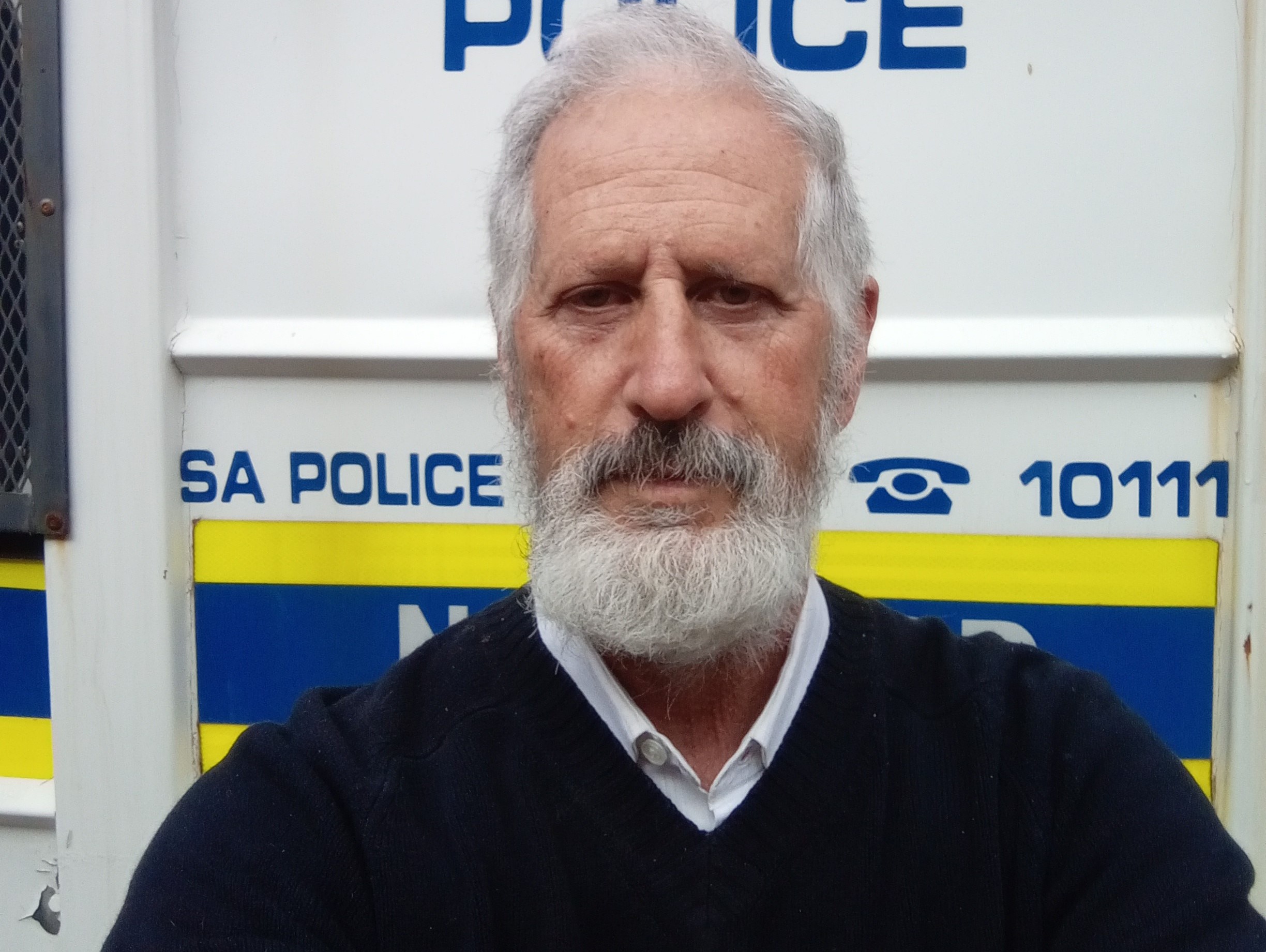
- Craig Snoyman is advocate practicing in Johannesburg.



