


Lifestyle/Community
Getting into the spirit of Halloween

Ghosts, witches, monsters, pumpkins, haunted houses, and trick or treating. Halloween, once an American-centric holiday has gained global popularity. While its roots lie in an ancient Celtic pagan festival and Christian medieval holy days, it’s become a fun, mainstream celebration that brings communities together regardless of their religious backgrounds.
Born on Halloween, ceramicist Mandi Friedman says the holiday was always part of the rituals she observed growing up. “A lot of people have issues about it around religion and the devil, but it’s just a bit of fun and it’s about doing something a bit different,” says the owner of Potted Glass Studio in Linden, Johannesburg.
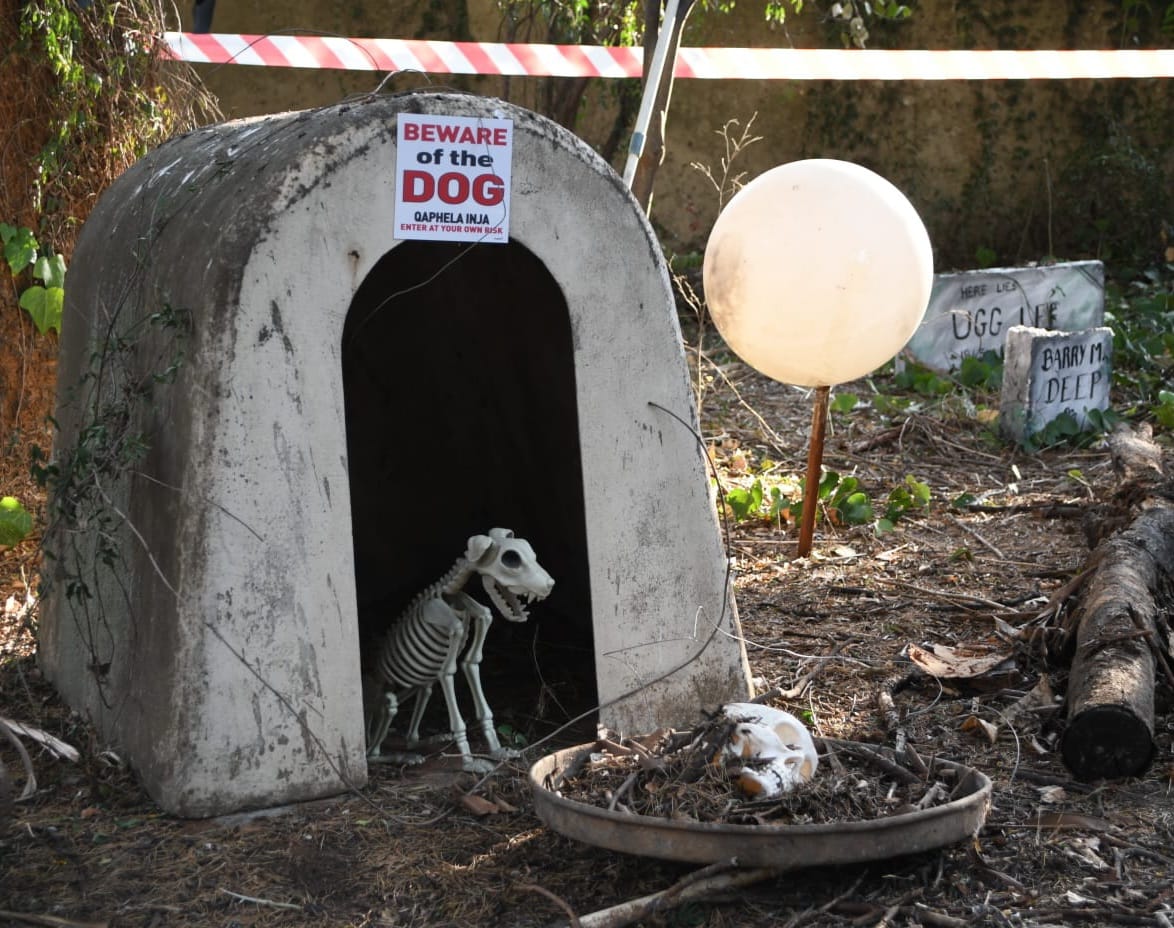
As part of events run by the Linden Meander, which she founded to put her beloved suburb and its creativity and community spirit on the map, Friedman hosts an annual Halloween celebration. The upcoming third edition of the event is titled “Dr Frankenstein’s Laboratory of Curiosities” and will include a cabinet of curiosities, live music, dinner, and a comedy horror movie.
Bringing her artistic skills to the fore, Friedman has sculpted a custom Frankenstein lamp for the event, while her studio partner, an art teacher, is making a brain. They’re also working together on creating a corpse. “There’s a lot that goes into it,” she says.
“They say that on Halloween, the veil between the living and the dead becomes very thin and people cross over, but I don’t know if I subscribe to all that,” Friedman says. “I just enjoy the macabre, the witches and the skulls, and the celebrations. I love it.”
For Dani Getz, the appeal of Halloween is about creating memories with her 10-year-old son. “We started celebrating when my son was seven years old,” she recalls. “Our friends had trick or treating in their area and asked us to come along. I thought that it would be a fun thing for our son to do. Plus, I would get to have a good hak and get in some steps at the same time.”
The tradition stuck, and today Getz and her husband take a carload of children to fun neighbourhood Halloween events. “My son and his friends like to ride around in the car boot laughing and looking through their stash of sweets,” she says, recalling traditions they’ve established around the holiday. “One year a golden labrador dressed up as a lion. His name was Potato. That really made the kids’ day.”
While Getz is aware of the history behind Halloween, she sees it as a harmless bit of fun for her son and his friends, who this year are all wearing Super Mario costumes. They relish the chance to dress up, hang out, have fun, and accumulate sweets, she says. “If a Jewish person chooses to celebrate Halloween for the wrong reasons, then it’s a problem. We’re not lighting bonfires or warding off any spirits. It’s just an excuse for our son to dress up and party.”
This year, at the request of their son, the Getzes are hosting a Halloween party, complete with a “spooky” themed room. “We’re also preparing some fun games for the kids, making brownies shaped like bats, and will have some drinks and desserts with gummy worms. There will be music and fun things to do.” The fun will also extend to the parents, many of whom are taking their costume preparations very seriously.
“We really want our son to have awesome memories,” Getz says. “Hopefully he’ll look back one day and remember the fun times he had growing up. It’s just a bit of light-hearted fun. There are so many hectic things going on around us at the moment, so why not have an excuse to have a jol? If it makes my son and his friends happy, it makes us happy. It also gives us an excuse to act like kids again.”
Discussing the Jewish take on Halloween, Rabbi Ari Kievman of Chabad Sandton Central says that as Halloween has historical roots in pagan and folk customs, we generally don’t participate in celebrations around it, even when they seem purely social. “We try to be mindful of the traditions we adopt and have so many beautiful ways to celebrate that are rooted in our own heritage,” he explains.
Growing up in New York, Kievman had a front-row seat to American traditions around the holiday. “I saw the pumpkins and elaborate Halloween decorations, but also the darker side,” he recalls. “As children, we sometimes had to shield ourselves from hooligans throwing eggs at us or our school bus. ‘Trick or treat’ could sometimes feel more like intimidation than innocent fun.”
Nevertheless, if one is drawn to the spooky, playful side of Halloween, Kievman suggests following the example of one of his friends. “His family celebrates ‘Shabbos Shpookey’ after Halloween, enjoying the post-holiday sales on horror-themed goodies,” he says. “And if you love dressing up, Purim is our own wonderful festival for costumes, fun, and celebration.”
Kievman says that while Halloween revolves around frightening figures, creating a scary atmosphere, and asking others for treats, Purim is about “joy, celebrating our heroes, and actively giving gifts and treats to others”.
“It’s important to be cognisant of the values we communicate to our children,” he says. “It’s not just about how to have fun, but how to spread happiness, look up to heroes, and become contributors who bring joy and goodness into other people’s lives.”
Ultimately, not marking Halloween is not about denying ourselves enjoyment, he says. “It’s rather to find ways to enjoy the fun without adopting a celebration that isn’t part of our tradition. We have so many opportunities to celebrate, spread goodness, and bring more light into the world.”