


OpEds
Israel’s election will shape the future of Jews everywhere

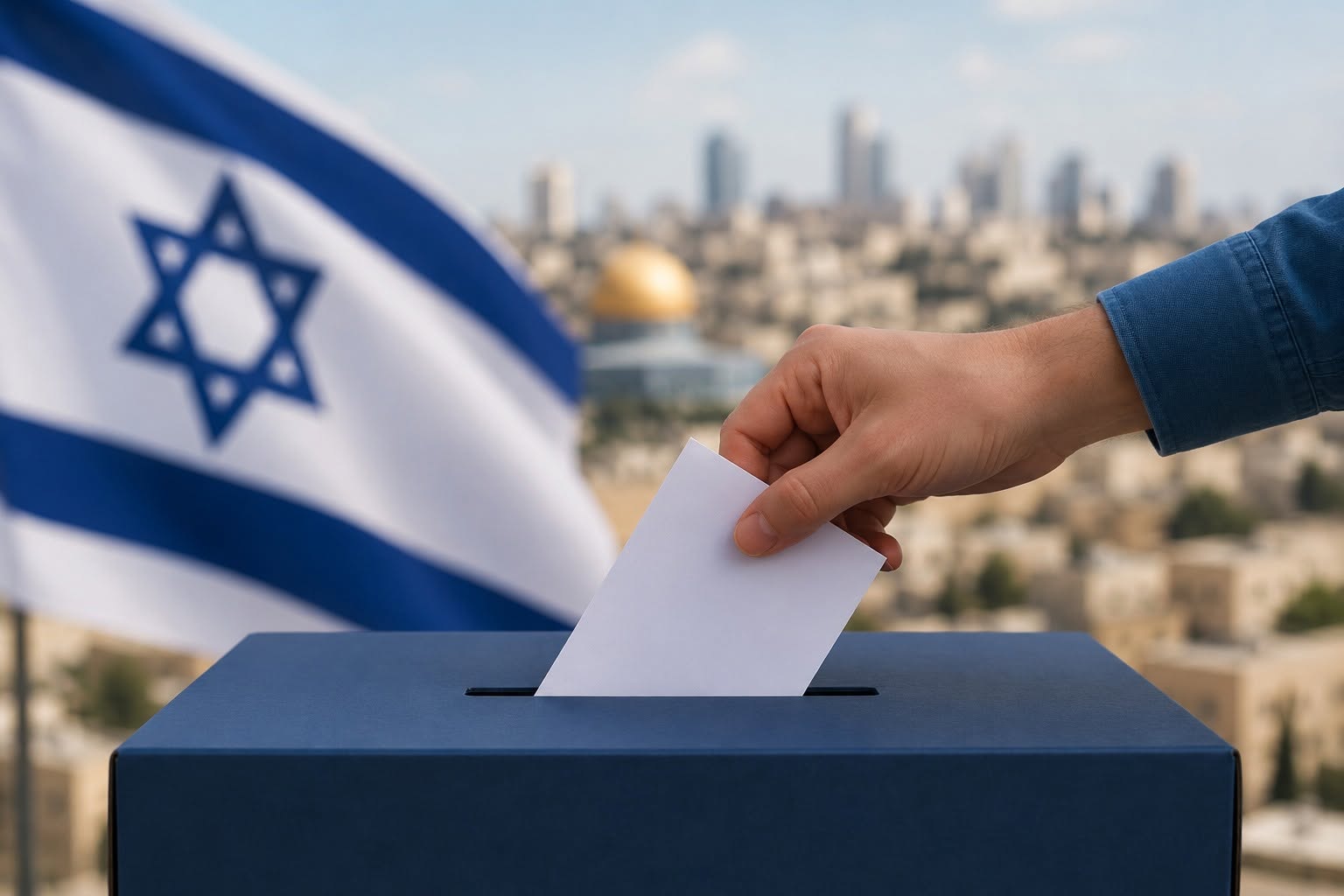
On 27 October, Israelis will vote in one of the most consequential elections in our country’s history. This election is about much more than who will be prime minister. It’s about what kind of Israel we want to live in, what kind of democracy we want to preserve, and what future we envision for our children and grandchildren.
The consequences of this election will not stop at Israel’s borders. They will reach Jewish communities throughout the world, including South Africa, and extend far beyond the Jewish people.
The past three years have demonstrated something that should now be obvious to every Jew, wherever they live: what Israel does, and what Israel fails to do, affects Jewish lives everywhere.
Since 7 October, Jews across the world have experienced the consequences of Israel’s reality in profoundly personal ways. Antisemitism has surged, Jewish communities have faced hostility and intimidation, and Israel has become a central issue in political and social debates around the world. Jewish students have found themselves defending their identity on university campuses. Jewish communities have faced painful divisions. Israel’s actions have influenced how Jews are perceived, whether they agree with the policies of the Israeli government or not.
We must never accept the idea that Jews abroad are responsible for the actions of Israel’s government. They are not. But that doesn’t change the reality that they are directly affected by those actions.
South African Jews know this especially well. That is why I want to address Israelis living in South Africa and elsewhere who remain eligible to vote in Israel.
Your voice matters. Your vote matters. And if you can make the journey to Israel to vote on 27 October, I urge you to consider doing so.
I understand that returning to Israel to cast a ballot is expensive and inconvenient. It requires time away from work and family. But the consequences of this election will accompany you long after election day, wherever you choose to live.
You may have built your lives in Johannesburg, Cape Town, London, New York, or elsewhere. But Israel remains part of your identity and part of your future. The decisions made by its government affect your families, your communities, your relationship with Israel, and the environment in which your children grow up.
Israel generally does not permit citizens to vote abroad. If you are eligible to vote, returning to Israel may be your only opportunity to participate.
This is not an appeal to support any particular party or candidate. Israelis will disagree, sometimes passionately, about the choices before them. That is the essence of democracy. But the stakes deserve serious attention.
Israel faces fundamental decisions about the independence of its judiciary, the relationship between religion and state, equality among its citizens, accountability for 7 October, the burden of military service, and the future of its democratic institutions.
And above all, Israel must decide where it is going in its relationship with the Palestinians.
For decades, Israeli governments have tried to manage the conflict rather than resolve it. The attack of 7 October demonstrated the catastrophic failure of believing that an unresolved conflict could remain contained indefinitely. The terrible war that followed demonstrated that even overwhelming military power cannot substitute for a political strategy.
There are millions of Palestinians living alongside us. They are not going anywhere. Neither are we. The fundamental question remains whether our future will be one of permanent conflict or whether political leadership can create a different reality.
I have spent nearly five decades working towards Israeli-Palestinian peace. My conviction remains unchanged: Israel will never have security until Palestinians have freedom, and Palestinians will never have freedom until Israel has security.
Whatever one’s view of that proposition, the next Israeli government will make decisions with consequences for generations.
I am deeply concerned by Israelis who say they are so disappointed with politics that they no longer intend to vote. I understand their frustration. We have endured years of political divisions, broken promises, war, grief, and loss of trust in our leaders.
But withdrawing from democratic participation doesn’t resolve those frustrations. It leaves decisions to others.
Democracy is not something we possess permanently. It is something we must continually sustain through participation, accountability, and respect for institutions. Elections are among the most important opportunities citizens have to influence the direction of their country.
The Jewish world also has an enormous stake in Israel’s future. Israel’s strength has never rested only on its military capabilities. It has also depended on its democratic character, moral purpose, social resilience, and its connection to Jewish communities everywhere.
The decisions Israelis make on 27 October will affect those foundations. They will influence Israel’s standing internationally, its relations with other nations, its prospects for peace and security, and the relationship between the Jewish State and the Jewish people.
And those decisions will affect Palestinians, our neighbours across the Middle East, and many others who have no vote in Israel’s election but will live with its consequences.
That is an extraordinary responsibility for every Israeli voter.
For Israelis living in South Africa, this election isn’t a distant political event taking place in another country. It concerns a state whose decisions continue to have direct consequences for your lives and your communities.
If you are eligible to vote, don’t underestimate the importance of your participation. If returning to Israel is possible, give serious consideration to making that journey.
Whatever your political beliefs, whoever you support, the future of Israel is too important for its citizens to abandon their role in shaping it.
Election day will come and go. But the consequences of the choices made on 27 October will be with Israelis, Jews throughout the world, Palestinians, and the entire region for many years to come.
We cannot afford indifference to our own future.
- Gershon Baskin is a political and social entrepreneur who has dedicated his life to peace between Israel and her neighbours. He’s a founding member of the Kol Ezraheiha – Kol Muwanteneiha (All of Its Citizens) political party in Israel. He’s now the Middle East director for ICO (the International Communities Organisation), a United Kingdom-based nongovernmental organisation.