


Religion
Reverse tashlich: taking our sins out of the sea

The 10 days from Rosh Hashanah to Yom Kippur are known as the yamim noraim – the “awed days” – when we work to move G-d’s judgement from strict to the merciful, and inscribe us for a good year to come. We associate this time with tshuvah, tefillah, and tzedakah (repentance, prayer, and charity) and with visiting cemeteries; seeking out those we have faribels with to make peace; and preparing for the great fast of Yom Kippur.
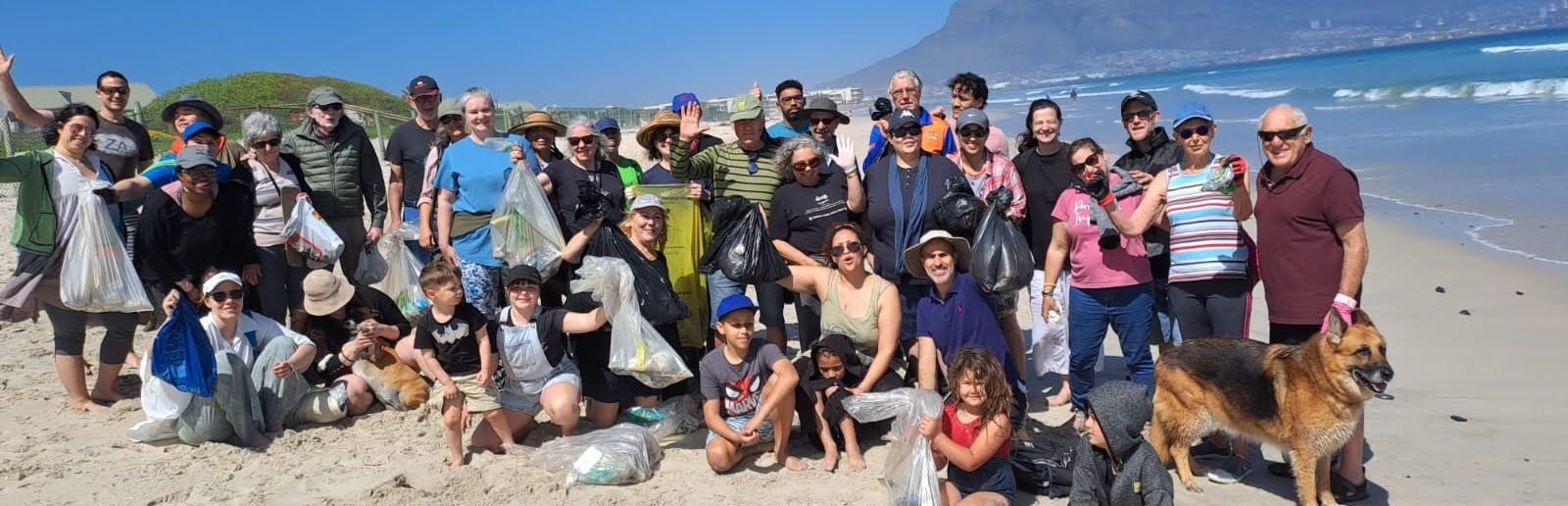
So, it might seem a strange sight, on the Sunday after Rosh Hashanah, to find a group of Jews walking up and down the beach with rubber gloves and bin bags in hand. What’s going on? The answer is reverse tashlich. Lay aside your rubber gloves for a moment, and let me unpack this one for you.
To understand reverse tashlich, we will have to start with tashlich itself in case we need a refresher on that one. Done on Rosh Hashanah afternoon, tashlich is the act of casting our sins into the waters. As a rabbi, I will be the first one to remind us all that this is a symbolic act and doesn’t replace the actual repairing of harm that we have caused. It’s never as easy as that. Nevertheless, powerful symbolic acts can often help us to see more clearly what it is we need to do, and with less than 10 days to do it in, anything helps at this point.
One of the challenges of the traditional tashlich is loads of chunks of bread going into our waterways – messing with the ecosystem; the wildlife that lives in or drinks from that water; and the quality of that water in general. Which seems to be defeating the purpose. The symbolic act itself becomes another thing to apologise for. I can recommend a tashlich tweak this year, using small pebbles, flower petals, or small bark chips.
That said, throwing breadcrumbs into water is the least of our eco-sins. Humanity as a whole has done a pretty terrible job of being the “shomrei adamah” (guardians of the earth) that we were commanded to be in Genesis. The state of our rivers and oceans is awful and not getting better, and we contribute to this every day. Most of our garbage ends up in landfill, either polluting the earth it’s buried in or blowing off the dump into a water source and eventually into the ocean.
Living in Cape Town, I’m aware at the same time of the magnificent beauty in the rivers, dams, and seas around me, and yet too the precarious nature of our water safety, mindful of the fears of Day Zero back in 2018 that still haunt our city. Many people have changed their practices, recycling and composting more, using less plastic and less water to live more sustainably.
But is there a Jewish way to do this? Especially over the high holy days, at the time we are working most carefully on our cheshbon hanefesh (spiritual accounting) is there a Jewish ritual that speaks to these issues?
Five years ago, Temple Israel joined a growing number of synagogues and organisations around the world who were doing something new during the yamim noraim – reverse tashlich. As a direct mirror to the casting of sins into the waters on Rosh Hashanah, with reverse tashlich, we collect our sins out of the water. We gather at the waters’ edge on a beach or riverbank to collect up plastic and rubbish that clogs up the waterway. It is quite humbling to see how many rubbish bags get filled from a couple of hours of work.
There’s no question that this is a good thing to do, but is it a Jewish thing to do? Not many people are aware of the mitzvah called bal tashchit. It originates in the Torah’s prohibition against chopping down fruit trees, but is expanded in rabbinic writing to blocking wells or throwing away something that could still be of use, and eventually, any act of wastefulness. This mitzvah has been around for hundreds of years, yet we don’t think about it like the more well known mitzvot of giving tzedakah, honouring parents, or keeping kosher. When we do reverse tashlich, we bring awareness to the need to be the guardians of the earth that we live on and to ensure that it’s in a healthy state for generations to come.
So take some time during the 10 days this year to stop by a littered river or a beach, or you can join Temple Israel’s reverse tashlich action on Sunday, 28 September 2025. You can learn more about the international movement here:
https://www.repairthesea.org/reverse-tashlich-2025
This Rosh Hashanah, as we celebrate hayom harat olam (the anniversary of the birth of human beings and our important role in G-d’s creation) may we remove our sins from the seas and help to be partners in G-d’s magnificent work.
Shanah tovah umetukah.
- Rabbi Greg Alexander works on the rabbinic team at the Cape Town Progressive Jewish Congregation www.templeisrael.co.za.