Lifestyle/Community
Shofar a wake-up call we need to hear

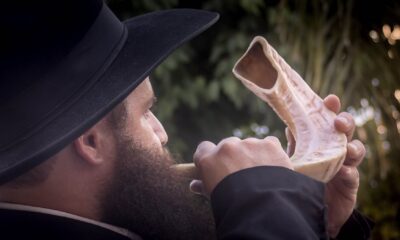
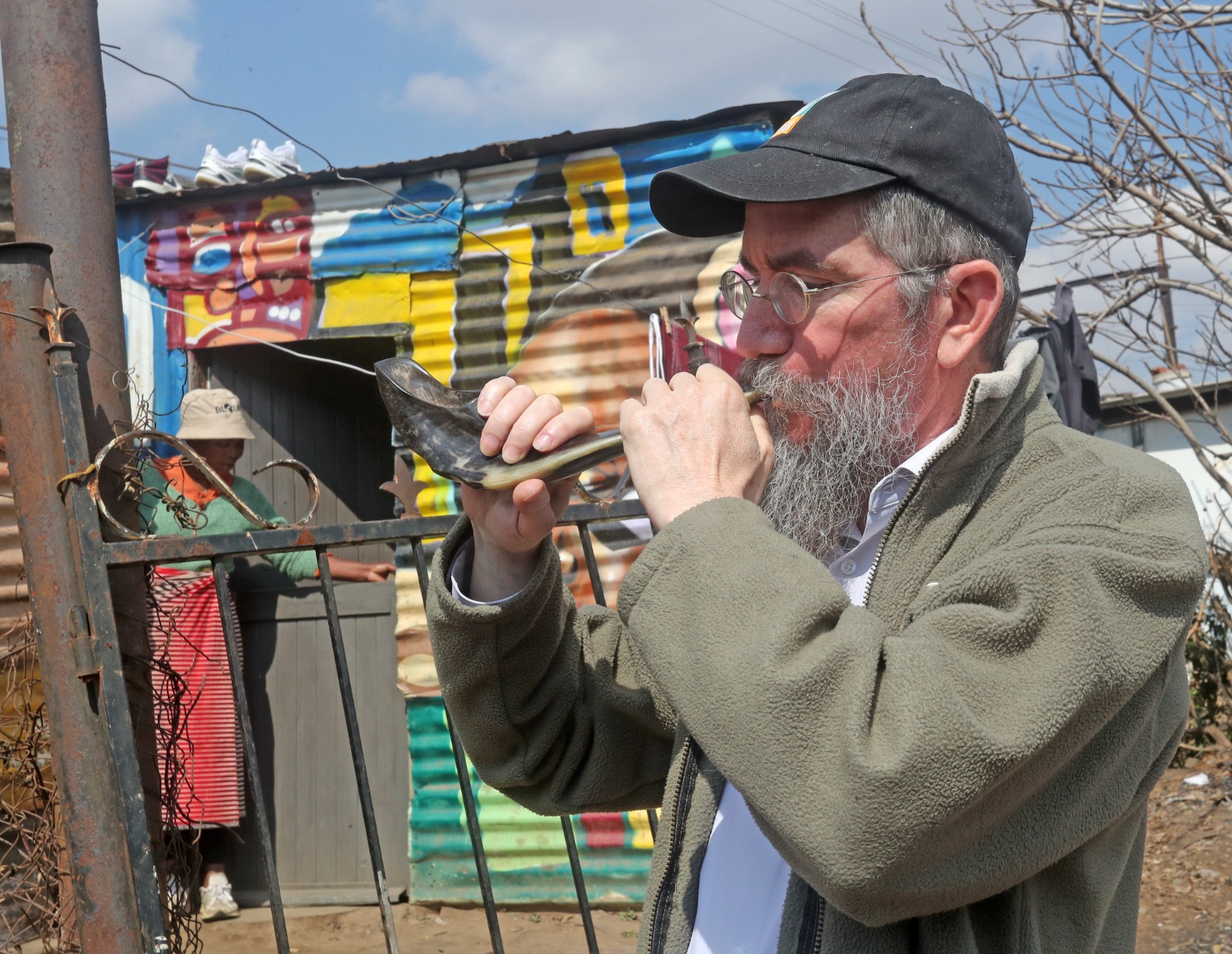
As Rosh Hashanah approaches, the sharp daily blast of the shofar punctuates the month of Elul, serving as a spiritual wake-up call to prompt self-reflection.
For Rabbi Motti Hadar of the Pine Street Shul, this preparation links biblical history with personal growth. “Historically, it recalls the shofar that sounded when Moshe ascended Mount Sinai,” he says. “The shofar is a spiritual wake-up call, reminding each one of us that Rosh Hashanah is coming. It asks us to stop and reflect on the year that has passed.”
Rabbi Ari Kievman of Sandton Central Shul and the director of the Chabad Seniors Programme, similarly views the daily blasts as a tool against complacency. “During Elul, we blow the shofar each week day to awaken us to teshuvah (return), self-reflection, and preparation for the high holy days,” he says.
This period of introspection is further illuminated by the Chassidic concept that “the King is in the field”. “Elul is a particularly opportune time to connect with G-d, who has left His divine palace to come to the ‘field’ where we are. The shofar tells us that we can always return, grow, repair, and begin again,” says Hadar.
On Rosh Hashanah itself, the shofar shifts from local custom to mandatory Torah commandment. Rabbi Sam Thurgood, from the United Herzlia Schools, says the sound speaks directly to the soul in ways language cannot match. “Rabbi Abraham Joshua Heschel says that the enterprise of giving reasons for mitzvot is like art commentary,” he says. “Certainly, in the case of mitzvot, the Artist of Infinite Capacity has intentions broad enough for all of our souls.”
The horn conveys both a jarring alarm and a raw cry. “One view of the shofar casts it as a wake-up call, similar to an ambulance siren. This is a noise that tells you that something is wrong, that unsettles you,” Thurgood says. “Another view of the shofar casts it as the wordless cry. We spend the first part of Rosh Hashanah engaged with seemingly endless words – until we find ourselves at the point of the raw and the real for which we have no more words, just pure human yearning.”
Proclaiming this wordless connection is central to the holiday experience. “Hearing the shofar is a Torah mitzvah and represents proclaiming G-d as King and awakening the soul,” says Kievman. He references the Rambam, who described the sound as a call to “wake up” from spiritual slumber and examine one’s deeds.
Understanding the halachic distinctions between Elul and Rosh Hashanah is crucial.
“There are two separate things going on,” says Thurgood. “The custom of hearing the shofar every day during the month of Elul … [and] the Torah commandment of hearing the shofar on Rosh Hashanah itself. Hearing the shofar during Elul is a good deed and a lovely custom, but it is not a Torah commandment. Rosh Hashanah is different.”
Because Elul is governed by custom, rules regarding technology are lenient. While Hadar says the shofar should ideally be heard directly, he acknowledges the benefits of digital access. “Since the Elul shofar is a custom rather than an obligation, there is nothing wrong with listening online.” Digital inclusion plays a practical role. Kievman’s daily classes are both in person and on Zoom, and “we always end with the shofar in Elul”, he says.
However, when Rosh Hashanah arrives, the requirement for a live sound becomes absolute. “Hearing a shofar through a livestream, Zoom, phone, or recording does not fulfil the mitzvah,” says Kievman. Thurgood concurs: “It must be heard live. A recording, a phone call, a voice note, none of these fulfil the mitzvah.”
Because the mitzvah is mandatory, communities ensure that no one is isolated. Thurgood recalls organising this outreach as a shul rabbi. “When I was preparing for Rosh Hashanah, one of my responsibilities was a spreadsheet. It combined input from those who were not going to be able to be in shul, and those who were willing and able to blow shofar for them.”
Kievman’s work with Chabad mirrors this profound communal responsibility. “Ideally, one should make every effort to be in shul on Rosh Hashanah,” he says. “If one cannot make it to shul, then arrangements should be made to hear the shofar at home. For the past 16 years, we have arranged for volunteers to visit Johannesburg’s retirement facilities and home-bound elderly people.”
Fulfilling the obligation outside of a synagogue structure is highly accessible. Hadar reassures community members that “the shofar does not have to be heard specifically in shul, and many rabbis will gladly come to your home or office”. Furthermore, requirements at home are far less demanding. “While we sound 100 blasts in the shul, you fulfil the mitzvah fully by hearing 30 blasts anywhere else,” Thurgood notes.
With Rosh Hashanah falling on Shabbat and Sunday this year, the mitzvah effectively comes down to a single day because the shofar is not blown on Shabbat.
Thurgood sums up, “If all else fails, learn to blow the shofar yourself!”