Achievers
The Moroccan thread in the Jewish tapestry

The smell of spices, the sound of piyyutim (Jewish liturgical poems and songs), tables crowded with couscous and tagines, and customs passed from one generation to the next are all part of a Jewish culture more than 2 000 years in the making.
Moroccan Jewry is one of the oldest Jewish communities in the world and though most if its members no longer live in Morocco, their food, music, religious traditions, and distinctive customs remain a vibrant part of Jewish life around the world.
Moroccan Jewry is one colourful thread in the theme for this year’s Investec Jewish Achiever Awards, Le Festival des Juifs: A Tapestry of Jewish Culture.
Jewish presence in the territory of modern-day Morocco stretches back more than two millennia. The community was later transformed by the arrival of Jews expelled from Spain and Portugal from the end of the 15th century. These Sephardi newcomers, known as megorashim (expelled Jews), joined the established Moroccan Jews, the toshavim (residents), creating a community influenced by Jewish, North African, Spanish, and Arab cultures.
Over generations, that mixture developed into something distinctly Moroccan Jewish.
Food became one of the most enduring expressions of that identity. Couscous, slow-cooked Shabbat dishes, breads, preserved lemons, spices, and an abundance of sweets became entwined with Jewish celebrations and family traditions. Mimouna, celebrated immediately after Pesach, is perhaps one of Moroccan Jewry’s most recognisable traditions. Tables are laden with sweet foods, including mufleta, a type of crepe, as families open their homes to neighbours and friends.
Yet this rich culture developed alongside a complicated history. There were periods in which Jews prospered as merchants, artisans, scholars, and advisers, as well as periods of violence and persecution. In a number of Moroccan cities, Jews lived in designated quarters known as mellahs.
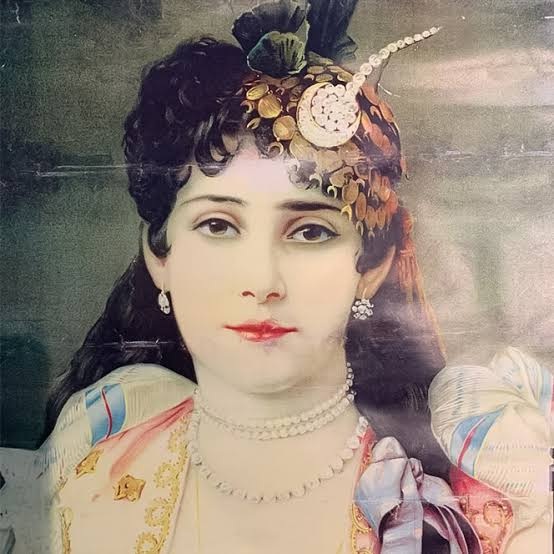
One young woman came to embody Moroccan Jews’ determination to hold onto their identity. Solica Hatchouel was born in Tangier in 1817 and raised in a deeply Jewish home. As a teenager, she was accused of having converted to Islam, something she steadfastly denied. Given the choice between renouncing Judaism and death, she refused to abandon her faith. Hatchouel was executed in Fez in 1834 at just 17 years old. She became known as “Sol ha-Tzaddikah” (Sol the Righteous), a symbol of courage and devotion whose grave in Fez became a place of pilgrimage. Almost two centuries later, descendants of Hatchouel’s family live in South Africa and are carrying her remarkable story into another generation.
By the middle of the 20th century, Morocco was home to roughly a quarter of a million Jews, but that changed dramatically in the decades surrounding the establishment of Israel, when most Moroccan Jews left the country. Many settled in Israel, while others built new lives in France, Canada, and elsewhere.
They may have left Morocco, but Morocco didn’t leave them. Recipes crossed borders, melodies were sung in new synagogues, Mimouna was celebrated in other countries, and family customs were handed from one generation to another. In Israel in particular, Moroccan Jewish culture has become an integral part of the country’s religious, culinary, musical, and cultural landscape.