Religion
A voluntary crisis

There’s a specific type of tragedy that I’ve witnessed a couple of times and maybe you have too. It’s the tragedy of watching others, especially those we love, not heeding the warnings of friends and family about the dangers of their destructive lifestyles. Whether it’s a friend or a family member who may be addicted to gambling, or abusing alcohol or marijuana, you try to help, have honest discussions, but they just deny any problem. Somehow, they are unable to hear the alarm bells or make the necessary changes to avoid a crisis. It’s like watching a person run towards the edge of a cliff.
It’s frustrating, painful, and often tragic. But we need to remember that people are ultimately responsible for themselves and that we cannot change them, or decide for them, regardless of how much we love them.
It seems as if only through suffering do we make the necessary changes in our lives. Most people make fundamental shifts in their character only when they face a crisis. The very word “crisis” originates from the Latin version of the Greek krisis, meaning a turning point or a decisive moment. For most people, tragically, only when they face such a turning point do they dig deep and make fundamental shifts in their values and character; moments such as facing the end of a relationship, losing a job, experiencing failing health, or even facing death.
Is this reality of life a tragedy or is it the way it’s meant to be?
Friedrich Nietzsche, the great German philosopher, argued that suffering is not to be avoided or even pitied; it is the source of all human creativity and strength. He compellingly argued that we must accept and even embrace suffering because it is the only source of spiritual accomplishments and human greatness.
But as profound and true as Nietzsche’s point may be, it is not the Jewish view. Hashem’s view of the human being, as is apparent throughout the writings of the prophets, is a much more hopeful one. The Torah is entirely founded on the belief that a person can and must grow spiritually and morally by the power of education, self-reflection, and observing the mitzvot. We need not suffer the tragedies of life to grow spiritually and become wiser and more refined. We cannot avoid the hardships of life, but we don’t need to suffer its torments to grow as human beings.
When King David heard the rebuke of the prophet Nathan for the sin with Batsheva, he prayed to Hashem to create for him a renewed spirit and a pure heart (Psalm 51; 12). King David understood that Hashem could and would perform the miracle of a renewed heart if he prayed with genuine humility and was prepared to make the necessary changes that repentance demands; he need not suffer misfortune and pain.
Similarly, the prophet Hosea rebukes the kingdoms of Israel and Judah for their moral corruption and wilful blindness to their spiritual failures. He warns them of the impending disaster coming from Assyria, and that Hashem will abandon them if they don’t repent. But at the end of chapter five the prophet ends on a hopeful note. He says that the purpose of their suffering is not destruction but teshuvah (return). When the nation recognises its wrongdoing and sincerely returns to G-d, the calamity can be averted, and the relationship can be restored (Malbim on Hosea 5; 15).
The anguish and shame of owning up to the truth of one’s choices, accepting whatever the terrible consequences, and making the necessary changes are the real suffering that make all the difference.
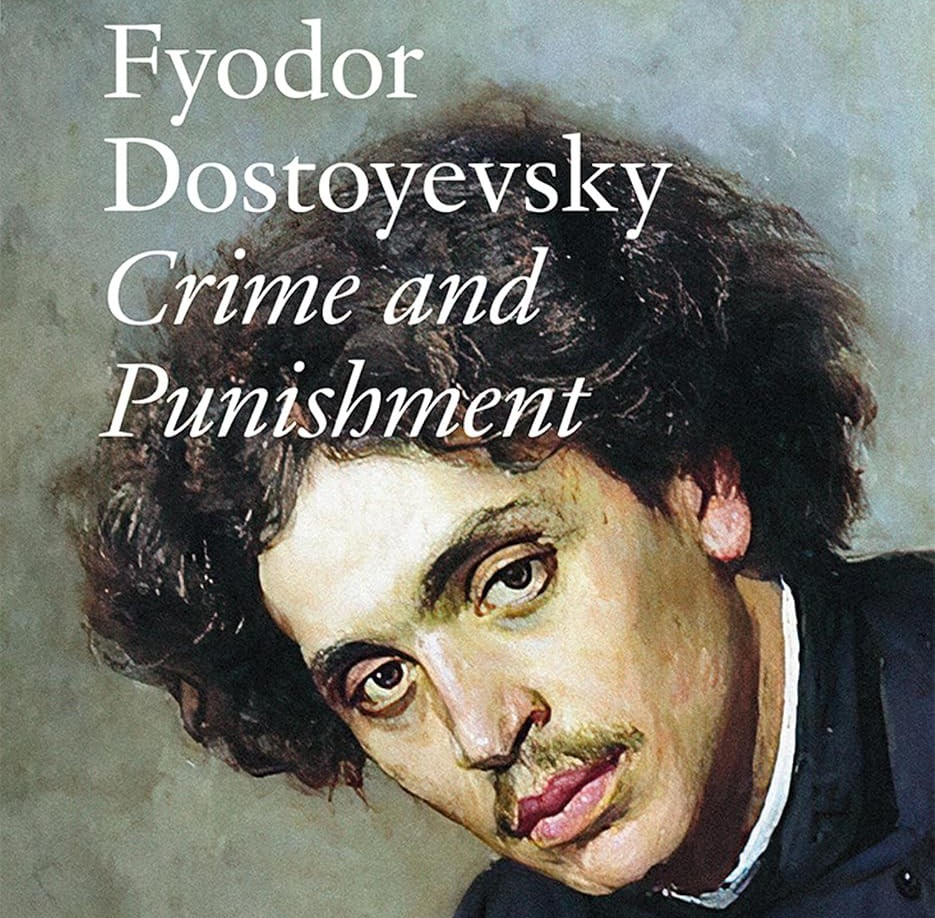
In Dostoevsky’s Crime and Punishment, Raskolnikov faces his tormented conscience for the murder he committed. On the edge of confessing to Sonia, he asks what he’s supposed to do, she tells him, in effect, “Accept the suffering and achieve atonement through it.” Sonia instructs Raskolnikov to go to the crossroads, kiss the earth he’s “defiled”, and confess aloud to the world. Suffering isn’t incidental to his redemption in her view – it’s the mechanism of it. That idea threads through the rest of the novel too: he only really begins to change once he’s serving his sentence in Siberia and lets himself feel, rather than intellectually justify, what he’s done.
Rosh Hashanah and Yom Kippur are the opportunity that Hashem has blessed us with to make the fundamental shifts in our character that mitigate and even avert the agony of terrible consequences. As we say in the Rosh Hashanah and Yom Kippur Machzor, “Repentance, prayer, and charity avert the evil of the decree”.
The magic of Rosh Hashanah is that it is an invitation to enter a voluntary crisis. We choose to look in the “Book of Memories”. With great trepidation we acknowledge, “On Rosh Hashanah it is written and Yom Kippur it is sealed. How many will pass away and how many will be healed. Who will live and who will die; who in his due time and who before; who by water and who by fire; who by sword and who by beast; who of hunger and who of thirst; who by earthquake and who by plague; who by strangling and who by stoning; who will find rest and who will wander; who will be calm and who will be harassed; who will be at ease and who will suffer; who will become poor and who will become rich; who will be cast down and who will be raised”. (From the Unetaneh Tokef prayer)
The people we watch run towards the cliff never choose the moment of the fall. It chooses them, and by then there’s nothing left to decide. Rosh Hashanah asks something almost opposite of us: to walk to that same edge on our own terms, while we can still see clearly, and look down before the ground gives way.
This is why the Machzor doesn’t flinch from the terror of Unetaneh Tokef. It forces us to imagine every kind of ending, not to frighten us into paralysis, but to strip away the illusion that we have unlimited time. It’s the same disaster we watch others walk into, except now we are the ones standing at the edge voluntarily, with the chance to step back before we’re pushed.
Raskolnikov could only confess once he stopped arguing with his own conscience and let himself actually feel what he’d done. Hashem asks far less of us than a prison sentence. He asks only that we do, in the quiet space of these 10 days, what tragedy eventually forces on everyone else: to feel the truth of who we’ve become, to name it without flinching, and to change.
That is the entire wager of the Yamim Noraim (Days of Awe) – not that we can escape judgement, but that we can face it voluntarily, and let it reshape us the way suffering reshapes a person, minus the wreckage.
So this year, before life stages the crisis for you, choose it yourself. Stand at the edge deliberately. Read the book of your memories honestly. And climb down from that cliff still standing, having done through repentance, prayer, and charity what otherwise only ruin can accomplish.
- Rabbi Gabi Bookatz is rabbi of Waverley Shul and a teacher at King David High School.