Religion
The Yom Kippur scar

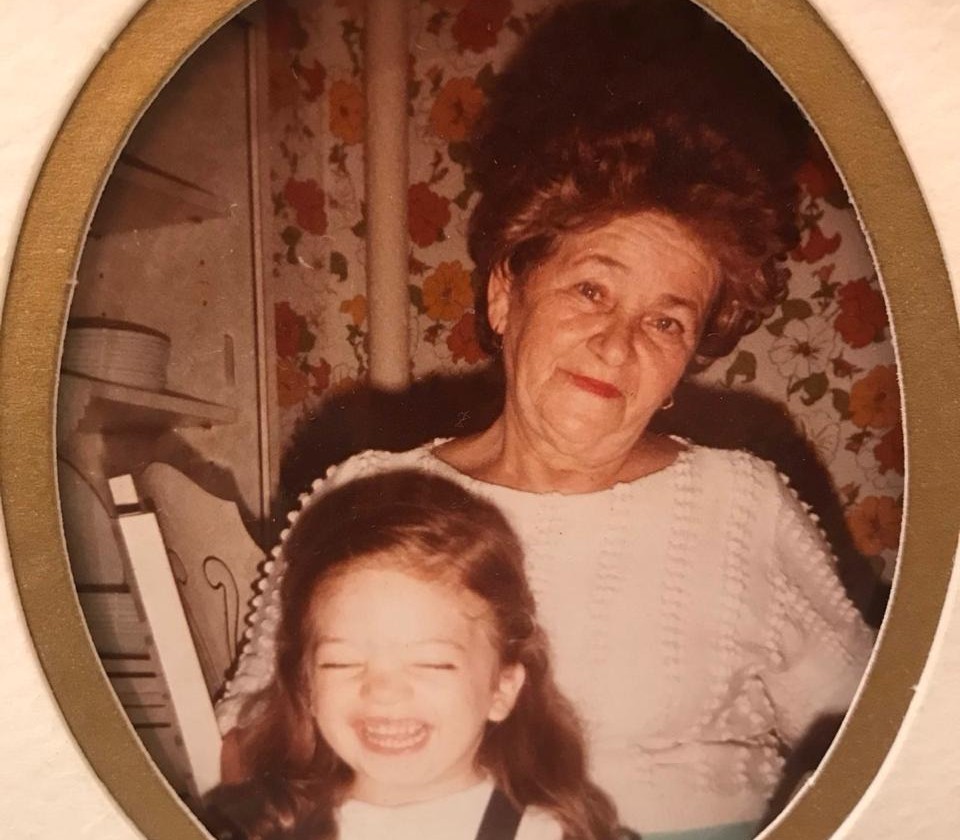
As Yom Kippur approaches, I find myself thinking about my beloved Bubby, Sara Kievman, of blessed memory, and a story she once told me. It’s a story from a very different time and place, but somehow, every year, it feels more relevant.
Bubby grew up in Soviet Russia during the early years of the Communist regime, when keeping Yiddishkeit was anything but easy. Religious practice was forbidden, Jewish education was suppressed, and those who openly observed Judaism could put themselves and their families in danger. As a teenager, Bubby was required to work in a glass factory. Attendance was strictly monitored, and missing work without a convincing excuse could have serious consequences. Then Yom Kippur was approaching. For Bubby, there was simply no question that she would fast and observe the holiest day of the year. The problem was finding a way to avoid going to work.
With time running out, Bubby knew she had to do something. She picked up a piece of glass and deliberately cut her arm. Blood began running down her arm and soaking her sleeve. Within moments, what had been an ordinary day at the factory had turned into an emergency. She was rushed to the infirmary, where a Russian doctor stitched up the wound.
The doctor offered the young girl a glass of hot milk to help her recover. Bubby refused. The doctor tried again, encouraging her to drink it for the sake of her health, but she wouldn’t give in. Eventually, the doctor quietly took her into another room. There, with a candle flickering in the darkness, she revealed that she too was Jewish. The two of them spent Yom Kippur together in secret, praying and sharing stories, two Jewish women finding one another in a country where Jewish life had been driven underground.
The doctor arranged for Bubby to be given two weeks to recuperate at home. When she told her parents what had happened, their sadness turned to great joy. They had been devastated, believing that their daughter had been forced to work on Yom Kippur. Now they learned that she had not only avoided work, but would be able to remain at home and spend Sukkos with her family.
Many decades later, when Bubby told me this story, tears rolled down her cheeks. Then she lifted her sleeve and showed me the scar on her arm. That scar remained for the rest of her life, a permanent reminder of the Yom Kippur she had refused to surrender. In many ways, it was the longest Yom Kippur of her life.
I think about that scar when Yom Kippur comes around. For us, Yom Kippur means walking into shul, fasting, and praying openly. We don’t have to hide. We don’t have to pretend. We don’t have to risk our safety simply because we want to be Jewish. We have inherited a freedom that people like my Bubby could only dream about.
Bubby was prepared to bleed rather than give up one Yom Kippur. We have the freedom to observe every Yom Kippur we choose. My Bubby’s scar reminds me that we are not only the beneficiaries of those who came before us. We are the next link in the chain. This Yom Kippur, when we stand in shul and hear prayers that Jews have recited for generations, perhaps we should ask ourselves, if my Bubby was willing to bleed to keep one Yom Kippur, what am I willing to do to make sure the next generation will still have one to keep?
- Rabbi Ari Kievman is the rabbi at Chabad Sandton Central.