





Lifestyle/Community
After the move from Joburg to Cape Town

For years, people have been packing up their lives in Johannesburg and heading to the Western Cape, drawn by the promise of beaches, better municipal services, and a slower pace of life. Property trends have reflected this movement, with Cape Town and surrounding towns attracting families, retirees, and professionals looking for a different way of living.
More recently, however, another trend has begun to emerge. People are returning to Johannesburg after discovering that the reality of semigration differs from the dream.
For Jews, especially, the decision often involves more than work or property prices. Community, schools, synagogues, family, and friendships all play a role. Five members of the community who have made the move south, or returned north, shared what they gained, what they lost, and what ultimately determined where they call home.
For Talia*, 34, moving from Glenhazel to Sea Point delivered exactly the lifestyle she’d hoped for. She and her husband relocated two years ago with their two young children, leaving behind a large Johannesburg home for a three-bedroom apartment overlooking the Atlantic Seaboard.
“In Johannesburg, we lived behind high walls. Here, our living room is the Sea Point Promenade. The lifestyle upgrade for my kids has been priceless.”
Talia says the children were the main motivation for the move in the first place. Johannesburg’s traffic, security concerns, and constant planning gave way to a more relaxed, outdoor lifestyle. “Here, my kids’ childhood is defined by tidal pools, parks we can actually walk to, and the beach.
“On Friday afternoons, we walk down to the Sea Point Promenade to watch the sunset before Shabbat, and there’s this beautiful, collective sigh of relief. You just can’t put a price tag on that level of freedom.”
Although downsizing from a spacious house was a significant adjustment, Talia says it was one her family willingly embraced. “The biggest anxiety was the schooling and community transition, but the Herzlia network and the Marais Road Shul community opened their arms to us immediately.”
Her work as a freelance digital marketing consultant and graphic designer made the move easier because she continues to serve Gauteng clients while building relationships in Cape Town.
She acknowledges that Cape Town can be difficult socially for newcomers, but believes initiative makes all the difference. “A lot of people warned me that Cape Town is cliquey, and it can be if you just wait for people to invite you in. But as a young mom, if you’re willing to make the first move, show up at the local kosher deli, and chat at the school gates, you find your tribe quickly.”
For corporate commercial attorney David*, semigration was very different. After his divorce, he moved from Melrose to Green Point, expecting to enjoy semi-retirement while continuing his consulting work. Instead, he returned to Johannesburg just 18 months later. “Cape Town is a beautiful postcard, but Johannesburg is a home.”
David says he underestimated how difficult it would be to establish meaningful friendships after relocating alone. “When you’re 60-plus and moving alone, the ‘Cape Town clique’ is a very real, very cold barrier.”
He contrasts that with his experience in Johannesburg. “In Joburg, if someone finds out you’re new to a shul or a neighbourhood, you’ll have three Friday-night dinner invitations before the service is even over.”
The weather also surprised him. “Everyone talks about the summer, but nobody warns you about three consecutive months of grey, relentless wind, and horizontal rain.”
Professionally, he found that most of his work and business relationships remained firmly based in Gauteng. “I went down there thinking I would ease into semi-retirement, but the slow pace of business actually drove me crazy.” After returning to Johannesburg, he says he immediately felt at home again. “Coming back to Melrose felt like putting on a pair of perfectly broken-in shoes.”
Business owner and creative Nicola Hetz spent much longer in Cape Town before deciding to head back to Johannesburg. After 13 years in the Mother City, she says rising operating costs, changing business conditions, and family considerations made returning north the logical choice.
“I’ve always enjoyed Cape Town’s creative energy and the film industry was booming when I moved there,” she says. “But after COVID-19, things shifted.”
Commercial property costs became increasingly difficult to justify, while much of her client base had already shifted to Johannesburg. Rather than transporting work between provinces, she decided to relocate her business. “I felt it was a better opportunity to come to Joburg because property is more affordable here, and most of my clients are here.”
She also believes Johannesburg has evolved considerably since she left. “I think it’s a really vibrant city these days. It feels much more multicultural and gives a real sense of the new South Africa.”
For Diane Wolpert, semigration became an opportunity to reinvent herself. She moved to Cape Town almost five years ago after being retrenched. Although she had planned to relocate later to be closer to her daughter and grandchildren, losing her job accelerated those plans. “The lifestyle that I have here has been unbelievable,” she says. “It’s changed my life completely.”
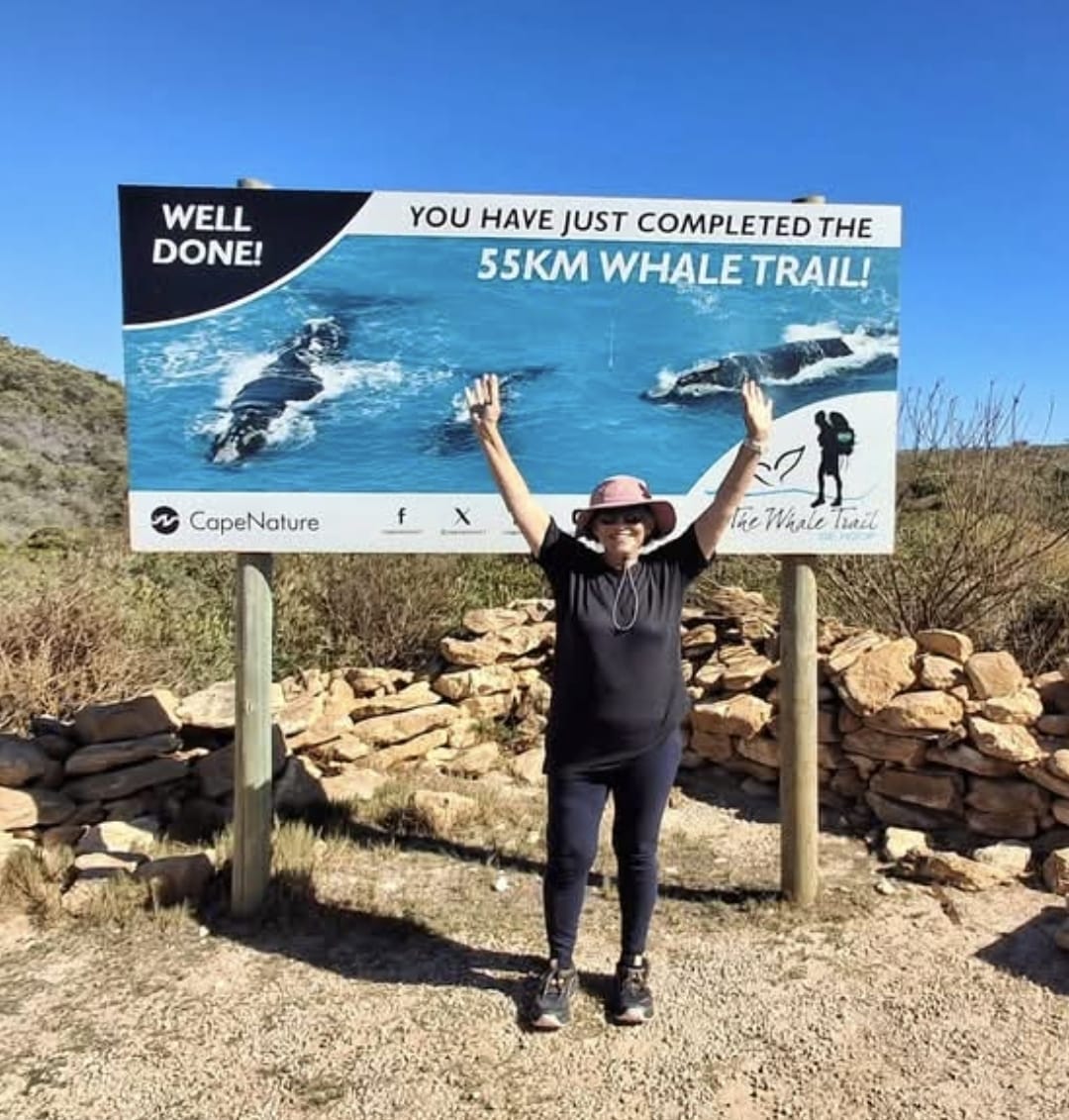
Wolpert has embraced an active lifestyle that she never imagined for herself. She has completed hundreds of hikes, tackled the five-day Whale Trail, gone kayaking, camped regularly, and taken part in outdoor events that have transformed both her physical fitness and her social life.
Unlike some newcomers who struggle to establish themselves, Wolpert deliberately sought out opportunities to meet people rather than waiting for friendships to develop naturally. “I started from scratch. I had to make a life for myself and I did.”
She acknowledges that meeting people was challenging initially and understands why Cape Town has a reputation for being cliquey. “It was difficult,” she says. “My daughter suggested hiking. I’d never hiked in my entire life. From there it literally just grew.”
Joining hiking groups opened the door to other clubs and activities, eventually creating a wide social network. “I couldn’t allow myself just to make friends with Capetonians. I had to get out there and do it myself.”
Having built a fulfilling life centred on outdoor activities and new friendships, Wolpert has no intention of returning to Johannesburg. “Never. Never ever.”
Janine Elin’s experience could hardly have been more different. After dreaming for years about relocating to Cape Town, she sold everything she owned and accepted a job offer there once her children had grown up. She expected a fresh start, but returned to Johannesburg after just six weeks.
“I love Cape Town as Cape Town,” she says. “I love what I see aesthetically.” However, she says living there was very different from visiting on holiday. “I found Cape Town very cold. I found it very cliquey.”
Coming from Johannesburg’s fast-moving property sector, Elin struggled to adjust to Cape Town’s business culture. “I found Cape Town backwards then,” she says. “Tomorrow’s already too late in the kind of business I’m in.”
Although several factors contributed to her decision to leave, she says the lack of social connection reinforced her feeling that Johannesburg was where she belonged. “If you’re a new person coming to Joburg and you’re in the community, the first thing we do is ask you to come for Shabbat. We include you.”
Returning to Johannesburg brought immediate relief. “It was like I never left. I came straight home and I’ve never looked back.”
These stories illustrate that there’s no single semigration experience. Lifestyle, career opportunities, stage of life, family support, and personality all influence whether the move is a success.
For Talia and Wolpert, Cape Town delivered the quality of life they had hoped for. Both actively embraced new communities and built lives centred on the outdoors and local Jewish networks.
For David, Hetz, and Elin, however, Johannesburg ultimately offered something they valued more. Whether it was stronger business opportunities, established relationships, affordability, or a greater sense of belonging, returning north felt like coming home.
As semigration patterns continue to evolve across South Africa, the experiences of these members of the Jewish community suggest that the decision is rarely about scenery alone. While mountain views and ocean air may attract people to the Western Cape, long-term happiness often depends on something less tangible: finding a place where work, community, family, and friendships all come together.
*Interviewees have asked for their names to be changed for privacy reasons.







David
July 30, 2026 at 2:40 pm
As a born Capetonian who has known and lived in the traditional or older areas such as Sea Point, Bantry Bay, Claremont and now the so-called Deep South I would say that the comments and views of the interviewees in this article are very accurate. I do not think that the years gone by, if compared with the current ‘semigration’ trend, would have yielded much different answers. I have had relatives and friends, some also born Capetonians, who moved to Jo’burg now say they will never return to Cape Town as they have never had such good friends and acceptance as they have experienced in ‘The Big Guava’. Makes one think.
Derick
August 21, 2026 at 11:07 pm
I moved to Cape Town 22 going on 23 years ago. I will never go back to Joburg I have no family or friends there anymore. Plus I. Like my life in Cape Town.