



OpEds
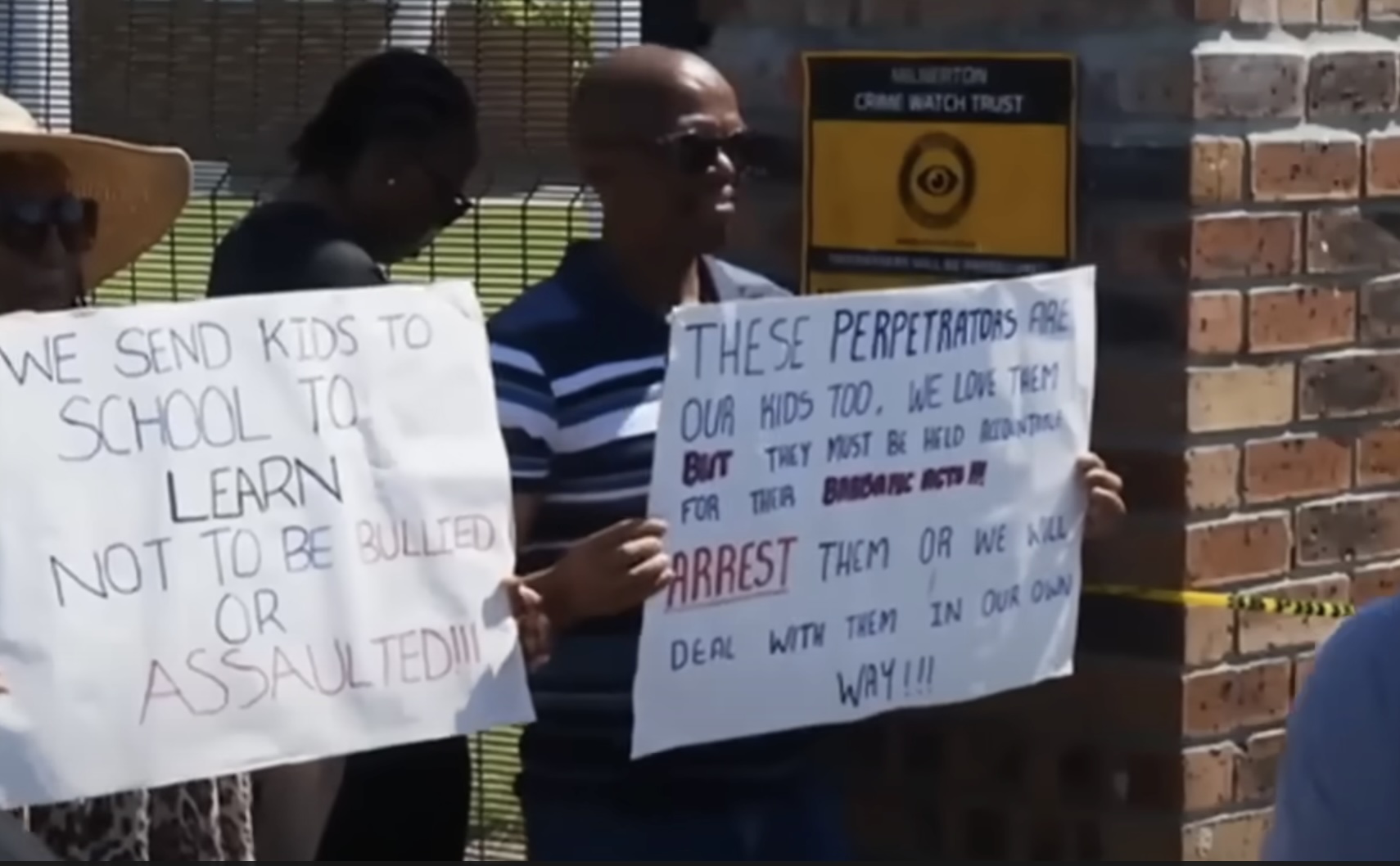
Beyond the rugby field: when bullying becomes a crime

When a line between banter and brutality is crossed, a community is forced to ask itself what it has been teaching its children about power, loyalty, and leadership. The recent incident at Milnerton High School, where first-team rugby players were filmed assaulting a fellow student with hockey sticks and belts, wasn’t schoolyard mischief, it was violence: calculated, collective, and criminal.
The shock rippled across South Africa, yet beneath the outrage lies a deeper truth: this isn’t an isolated story, it’s a reflection of what happens in our culture when dominance is mistaken for strength and silence is confused with loyalty.
Each time such an incident occurs, we fall into a predictable rhythm of reaction. Outrage on social media. Statements from the department of education. Whispered conversations among parents about “not their kids.” And inevitably, the blame lands squarely on the school’s doorstep. But schools don’t manufacture cruelty; they inherit it. They are mirrors, not factories. When young men reach for violence as a language of belonging, they are often repeating lessons learned long before the rugby field. Lessons about power, toughness, and what earns respect. Schools become convenient scapegoats for family failures, community silences, and cultural scripts that celebrate dominance while shaming vulnerability.
This doesn’t absolve institutions of responsibility; it expands it. What happened at Milnerton wasn’t only a moral collapse among a few students; it was a leadership failure at multiple levels. Being chosen for the first team in any sport should be an honour, not an excuse for hierarchy. It’s a role that calls for the protection of others, not the abuse of power. Yet somewhere between practice drills and school assemblies, that message got lost. The young men involved weren’t just bullies, they were betrayers of what leadership should represent, taught by adults who glorify aggression as discipline, and coaches who confuse toughness with cruelty.
In the aftermath of these types of events, the outrage metastasises online. WhatsApp groups of parents turn into digital war rooms. Names are shared; faces circulated; accusations amplified. Some justify it as accountability. Others as justice. But let’s call it what it is: digital vigilantism. When we respond to violence with more violence – albeit behind screens – we perpetuate the very harm we claim to condemn. Doxxing, trolling, and public shaming create new victims, often teenagers ill-equipped to withstand the onslaught. And in the frenzy of it all, something essential gets lost: the possibility of repair.
We’ve spent decades trying to eliminate bullying through zero-tolerance policies. Expel the offender. Suspend the ringleader. Make an example of them. But zero tolerance eliminates people, not problems. It removes the symptom, while preserving the system. What’s needed isn’t eradication, it’s evolution. We must move from “anti-bullying” campaigns to harm-reduction frameworks. That means distinguishing between bullying and criminal behaviour, understanding the roots of both, and building systems of accountability that heal rather than simply punish. Harm reduction asks harder questions: what conditions made this harm possible? How can both victim and perpetrator grow from this experience? What forms of justice actually prevent recurrence?
Leadership can be taught if sports teams were to treat it as stewardship rather than status; captains are trained in emotional intelligence rather than just strategy; and schools implement peer accountability circles where young men can unpack the pressures of masculinity, loyalty, and dominance.
Parents must also confront uncomfortable truths. Many of these boys don’t act out because they are inherently cruel, but because they are confused about what manhood requires. They are rewarded for aggression, and punished for empathy. They are told to be strong, but rarely taught what strength looks like when it’s kind. When adults laugh off cruelty as “character-building”, they normalise harm. When families defend rather than discipline, they model denial. And when schools are left to clean up the consequences, everyone loses.
If we truly want to prevent another Milnerton, we need to stop asking, “How do we eradicate bullying?” and start asking, “How do we reduce harm?” Because bullying is inevitable in any human community. What defines us is how we respond to it. Harm reduction doesn’t mean going soft; it means going deeper. It insists that we can hold people accountable while also holding space for their redemption. It believes that punishment without rehabilitation is just another form of cruelty. And it reminds us that the measure of a community’s strength lies not in how it expels its wrongdoers, but in how it transforms them.
The opposite of bullying isn’t kindness, it’s accountability, which requires calm rather than chaos. Real accountability doesn’t end when the punishment is handed down; it begins when understanding takes root. It asks us to look at the systems that produce bullies, not just the individuals who enact them. It invites us to transform the environments that reward aggression, from locker rooms to boardrooms. Bullying doesn’t end with adolescence. It grows up, puts on a suit, and calls itself “company culture”. It runs for office, and calls itself “tough leadership”, It hides in social media mobs and calls itself “justice”. The field changes, but the behaviour remains, unless we teach a different kind of strength.
The Milnerton assault isn’t an isolated event. The solution won’t come from expulsions or hashtags. It will come from dialogue, from the hard, human work of confronting our complicity, challenging our traditions, and rebuilding our definitions of power.
What happens on the rugby field is never just about rugby. It’s about who we are when the whistle blows, what kind of men, parents, teachers, and leaders we choose to be when no one’s watching. Power means nothing if you can’t use it responsibly. And until we start teaching that lesson, we’ll keep mistaking brutality for belonging.
- Bully Dialogues is a cross-platform movement – keynote, podcast, and book – in which Clinton Fein, a former bully and his former victim, Bryan Schimmel, share the same stage to reframe bullying through harm reduction, leadership, and accountability rather than zero tolerance.