OpEds
A matter of life and death: The baby saver case

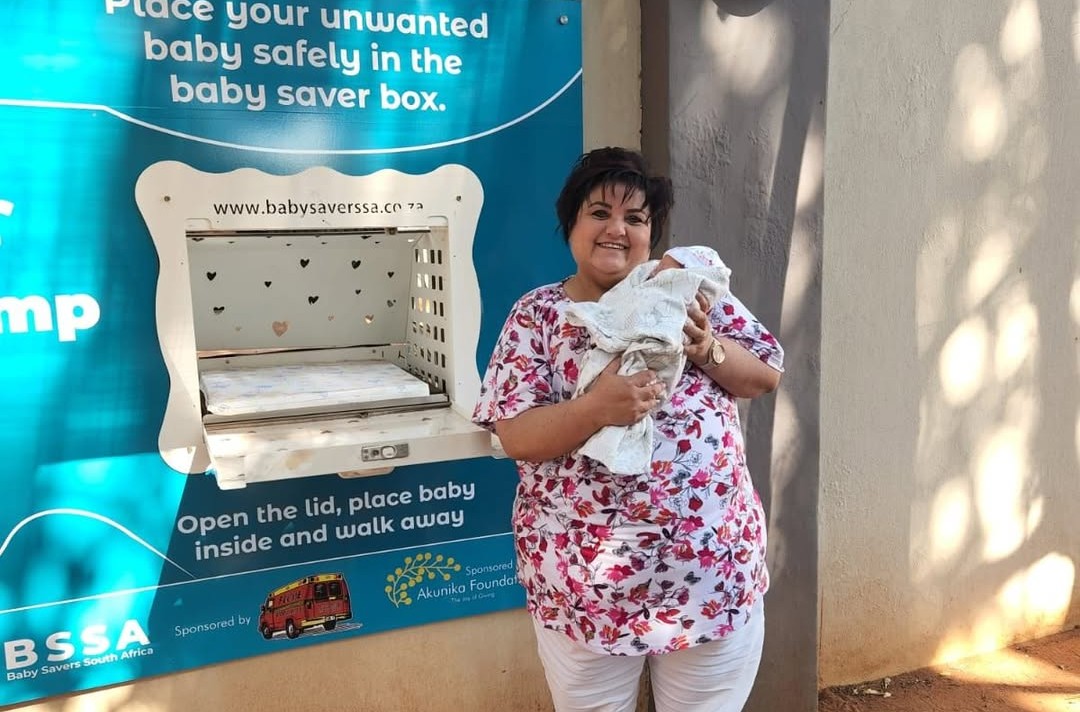
Across South Africa, baby savers, facilities where mothers can safely relinquish their babies, are at risk of closure and criminalisation. For desperate mothers who feel unable to care for their child, these facilities offer an alternative to unsafe abandonment, where babies are often left at serious risk of injury or death.
The ongoing high court battle over baby saver boxes is more than a legal dispute. It is a profound moral issue about how society responds to desperation, poverty, gender-based violence, and ultimately, the right of vulnerable children to survive.
The Department of Social Development argues that baby saver boxes promote abandonment, violate the Children’s Act, and should criminalise both the mothers who use them and the organisations that operate them. Advocates argue the opposite, that these facilities save lives.
The reality is that babies are already being abandoned in South Africa.
Hundreds of infants are found every year in drains, rubbish dumps, pit latrines, toilets, and open fields. Many do not survive. The real issue before the courts is whether the law should recognise the critical difference between abandoning a child to die and leaving a child in a safe place where they are likely to live.
Baby savers have already saved hundreds of babies by providing desperate mothers with a viable and safe alternative. While these relinquishments are anonymous, they offer something that unsafe abandonment does not, the possibility of survival.
There are legitimate concerns surrounding anonymous relinquishment. Every child has the right to identity, family connections, and information about their origins. Medical histories and genetic information may also be lost, potentially affecting the child later in life. Abandonment creates significant legal and emotional challenges for children who may one day seek answers about where they come from.
There is also concern that anonymous relinquishment may deny fathers and extended family members the opportunity to care for the child. Yet the reality is that absent fathers and fathers who deny paternity are common challenges mothers already face.
We cannot discuss this issue honestly without acknowledging the realities of many South African women and girls.
South Africa remains one of the most unequal countries in the world. Rates of gender-based violence and teenage pregnancy are a national crisis. Many pregnancies result from rape, incest, coercion, or abusive relationships. Young mothers are often rejected by their families, unsupported by partners, and unable to access meaningful support systems. Many are minors themselves.
Imagine a frightened 16-year-old girl living in poverty, isolated and desperate, with no family support and nowhere to turn. Faced with impossible circumstances, we would hope she has access to a baby saver rather than leaving her newborn in a plastic bag in the veld.
A mother who leaves her baby in a safe place is not necessarily rejecting motherhood carelessly. In many cases, she is making an agonising decision shaped by fear, trauma, poverty, abuse, or desperation. It may well be an act of compassion in impossible circumstances.
The courts are guardians of constitutional rights, particularly when legislation fails to respond adequately to social realities.
We must also ask what options currently exist for women experiencing unplanned pregnancies. South Africa faces a critical shortage of shelters where vulnerable mothers can seek refuge, counselling, and support during pregnancy. Many women report judgemental treatment from healthcare workers and social service providers, leaving them feeling ashamed, alone, and overwhelmed.
Abandonment is a criminal offence, and mothers know they risk prosecution. Yet many still resort to unsafe abandonment because they feel they have no alternatives.
Until South Africa can provide accessible crisis pregnancy counselling, emergency shelter, responsive social workers, and compassionate support systems, outlawing baby savers risks pushing desperate mothers further underground.
Baby saver boxes are not an ideal solution. They are a symptom of deeper societal failures, poverty, inequality, broken family systems, inadequate maternal healthcare, and insufficient support services. Pretending these realities don’t exist won’t prevent abandonment or infant deaths.
At the same time, South Africa should strengthen adoption systems, improve maternal mental health services, expand access to reproductive healthcare, and invest in prevention and support programmes for vulnerable mothers. Safe relinquishment should be viewed as a carefully regulated last resort, but one that remains lawful and accessible.
Punishing desperate mothers, or the organisations attempting to assist them, isn’t a solution. Protecting the survival of the most vulnerable members of our society must remain our priority.
Our constitutional democracy is founded on dignity, life, and the best interests of the child. We cannot ignore our harsh social realities in favour of rigid legal formalism. Have we lost our compassion?
If even one child survives because a frightened mother had access to a safe alternative instead of a drain, then surely the law must make room for mercy.
The courts now have an opportunity to shape a more compassionate and humane response to one of the country’s most painful social crises.
One hopes they choose life.
- Sue Krawitz is the founder and director of Impilo Child Protection and Adoption Services. She is also involved with the National Adoption Coalition and Gauteng Crisis in Care Committee.