OpEds
Jewish leaders put their heads together at AJC Global Forum

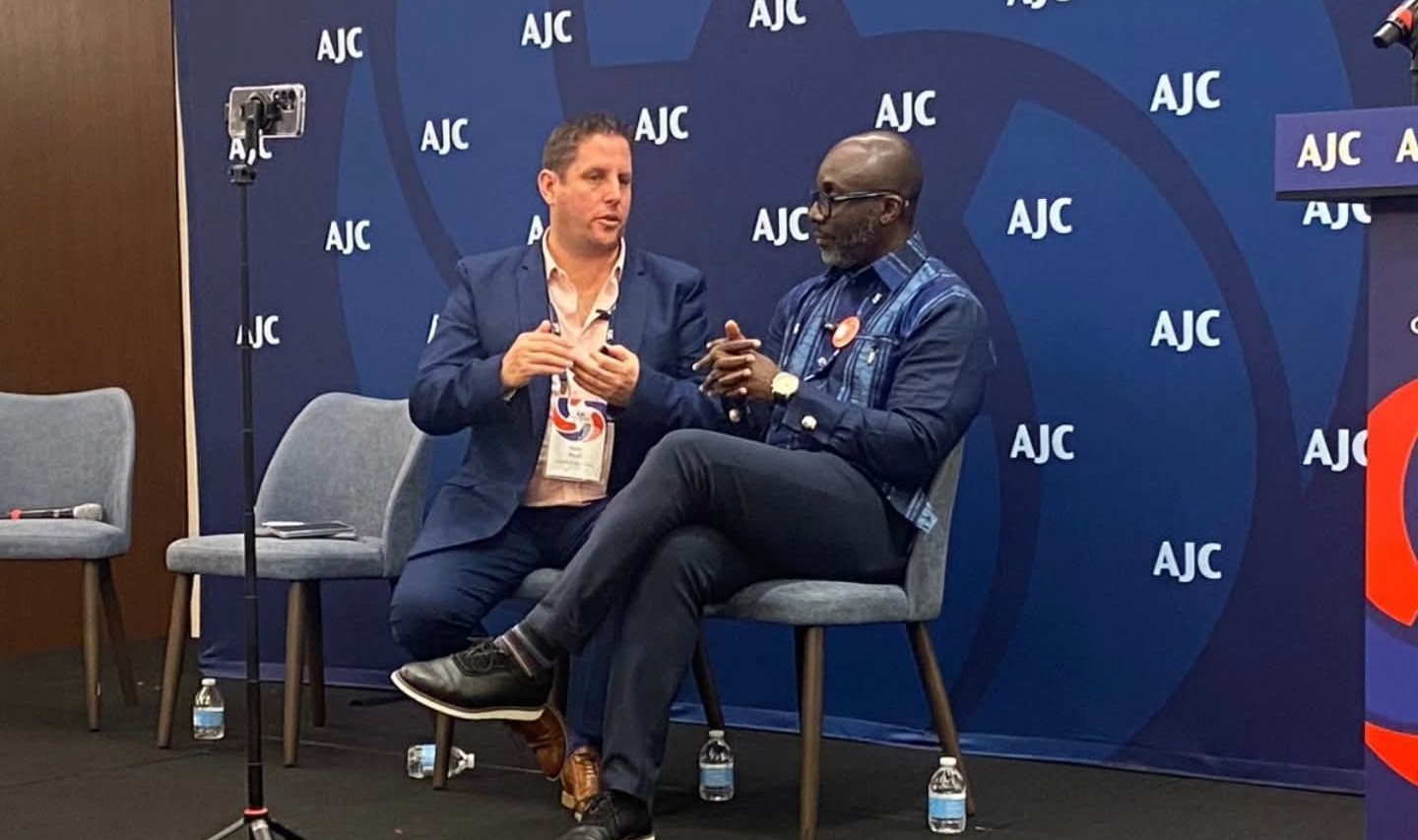
A strong South African delegation, including the South African Jewish Board of Deputies (SAJBD) and the South African Union of Jewish Students, joined around 2 000 Jewish communal leaders, advocates, policymakers, students, and activists from around the world at the American Jewish Committee (AJC) Global Forum in Washington, DC from 31 May to 2 June. Together, we addressed the most pressing issues facing the Jewish people in Israel, the United States, and internationally.
One message emerged clearly from the three days of engagement: while combatting antisemitism remains an essential priority, it’s equally important to celebrate and strengthen the positive aspects of Jewish communal life.
Back home in South Africa, Jewish life continues to thrive. Unlike in some countries where Jews feel compelled to conceal their identity, South African Jews proudly and openly express their Jewishness. We attend shul, celebrate our traditions, host Jewish and Israel-related events, and participate actively in public life.
This is not to suggest that challenges don’t exist. Anti-Israel protests continue to take place, media bias remains a concern, and online hatred continues to spread. Yet we remain resilient, vibrant, and optimistic.
We met with various important expats and Americans with a keen interest in the well-being of the Jewish community in South Africa. The international perception of South Africa and the lived reality of our community is clearly different. We gave a real overview of what Jewish life here is really like. Attendees left with a sense of positivity and renewed commitment to supporting our community.
Hostage survivors Aviva and Keith Siegel gave the opening speech, sharing their experiences following the atrocities of 7 October. They delivered a message of hope for the future. Aviva, originally from South Africa, inspired everyone with a vision of resilience, remembrance, and a brighter future for the next generation.
The parents of Sarah Milgrim and Yaron Lischinsky, the young couple murdered in Washington, DC in May 2025, spoke about how despite their unimaginable loss, they choose to honour their children’s memories by advocating for a future built on hope, community, and peace.
While Jews at South African universities generally feel safe and supported on campus, students in parts of the United States and Europe continue to experience antisemitism, exclusion, and, in some cases, physical violence. The AJC is working with university leadership, empowering Jewish students and developing strategies to combat discrimination and antisemitism.
While we hope such measures will never be necessary in South Africa, understanding the challenges faced elsewhere and the solutions being implemented remains invaluable.
One of the most pressing issues discussed throughout the conference was the challenge of combatting online antisemitism. While levels of physical and in-person antisemitism vary from country to country, the rise in online hatred is affecting Jewish communities everywhere.
Senior representatives from TikTok, Meta (Facebook, Instagram, and WhatsApp), Google, and YouTube addressed delegates, acknowledging shortcomings in their efforts to combat antisemitic content. They outlined new strategies, particularly the use of artificial intelligence, to identify and remove harmful content more effectively, and committed to strengthening partnerships with Jewish communities around the world.
Our delegation was involved in a private discussion with more than 20 Jewish leaders from around the globe and senior representatives from these technology companies, including leaders from X. The discussion was candid and robust, with some community leaders arguing that online platforms have, at times, contributed to or enabled the environment that has fuelled recent attacks on Jewish communities.
The SAJBD delegation raised important questions regarding legal processes, local support mechanisms, content removal procedures, and the ability of social media companies to assist communities facing online hate campaigns. Perhaps the most valuable outcome of the meeting was the direct relationships established with key decision-makers at Meta and Google. These connections will help the SAJBD combat antisemitism online and advocate more effectively on behalf of the South African Jewish community.
The session on antisemitism and antizionism argued that antizionism often operates not as neutral policy critique but as a driver of antisemitism and Jewish exclusion, echoing earlier campaigns that delegitimised Zionism and pushed Jews out of public life.
It suggested that campuses and institutions have been slow to grasp this shift because they treated antizionism as a purely political stance while concentrating their efforts on more classical forms of antisemitism. In response, the speakers called for Jewish and allied communities to reclaim and reteach Zionism as a normal, legitimate national movement, to name antizionism as a hate movement when it veers into denying Israel’s right to exist, and to build internal spaces where critique of Israeli policy is acceptable but demonisation and delegitimisation are firmly challenged.
Africa emerged as an important focus with many countries increasingly looking to the continent as a strategic partner, with the demand for innovative water, food security, and energy solutions continuing to grow. Israel remains at the forefront of developing technologies that address these fundamental needs and countries like Nigeria, Ghana, Zambia, and others have chosen to prioritise practical partnerships, development opportunities, and the needs of their own citizens, over political rhetoric.
The AJC Global Forum was an incredible platform for learning and sharing experiences. It also enabled us to validate the work we do, as the SAJBD, in protecting our rights as South African Jews and our way of life.
- Daniel Bloch is the executive director of the Cape SA Jewish Board of Deputies.