OpEds
Deciphering the ceasefire

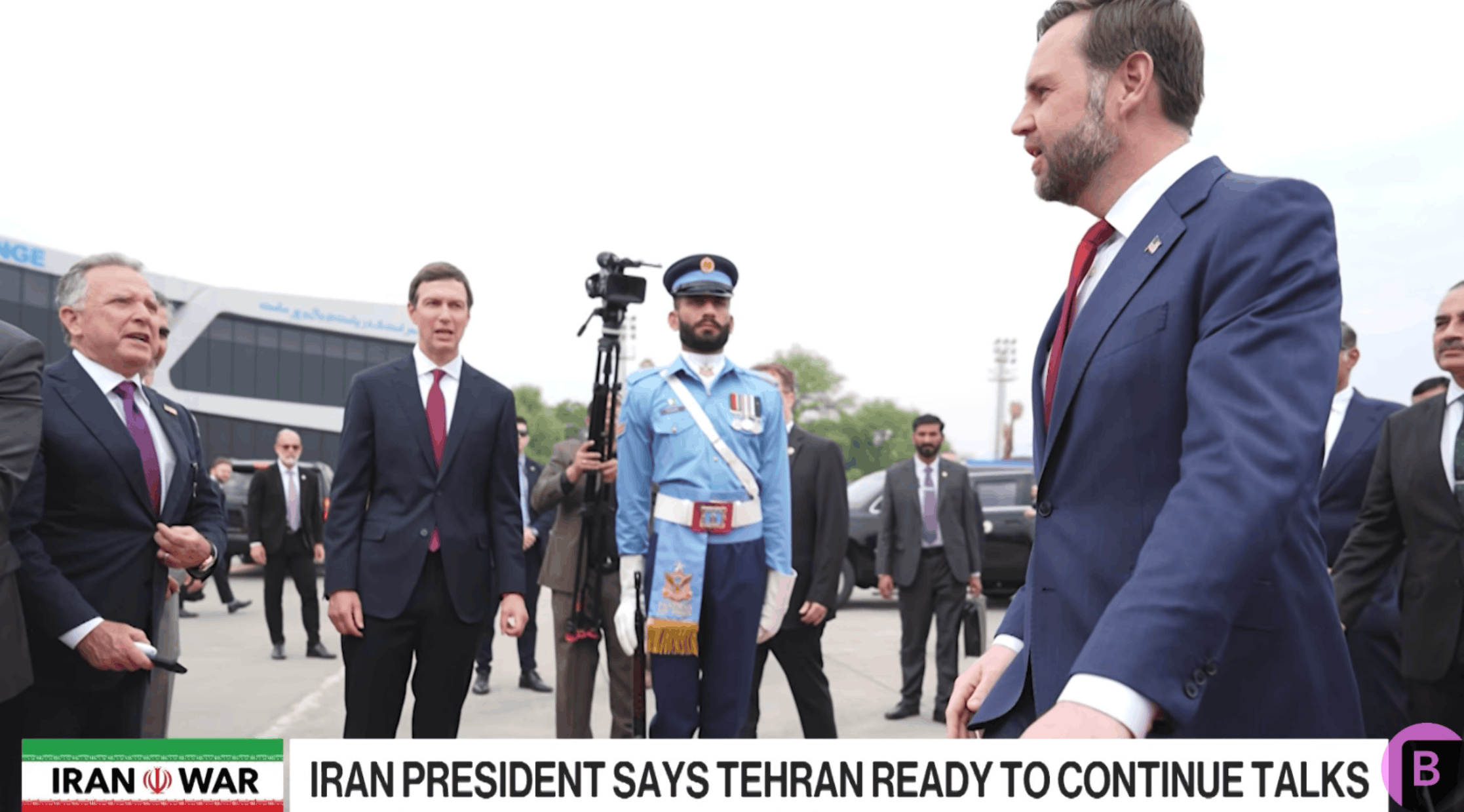
With the US-Iran ceasefire surprisingly being agreed to at the last minute – just before the expiry of United States President Donald Trump’s deadline – and with uncertainty about how long it will last, it’s useful to examine some key takeaways from the ceasefire and war.
So what kind of ceasefire is it really? In true Trump style, nothing has been written down, so there are wildly differing reports of what’s been agreed to, if anything. Israel is adamant Lebanon and Hezbollah aren’t included in the ceasefire, as they didn’t sign up to it, while Iran is determined that they should be. The US agrees with Israel at this stage, although that could change if this becomes a deal breaker.
To illustrate the lack of agreement, the day after the ceasefire was especially bloody, with Israel hitting Hezbollah hard, and Iran still firing numerous missiles at Gulf states. Most importantly, the vital Straits of Hormuz were not opened.
They haven’t been properly opened since, with Business Day reporting on 10 March that traffic through The Straits “remained well below 10% of normal volumes”. This leaves Trump in a bind. He cannot end the war – if that is indeed his intention – without at least securing the reopening of the waterway, with some future international control, as well as some victory on Iran’s nuclear programme.
It’s also important to note that it isn’t that simple to open The Straits. Ship owners need to feel secure before they attempt to pass through, and be sure insurers will start covering them at reasonable rates. Insurers haven’t thus far provided clarity on this. It’s also not clear which navies will shepherd tankers through the now dangerous Straits if they do open for passage.
Also still unclear is Trump’s position. Did he want the ceasefire as a pause, or does he see it as the end to the war? A pause gives the markets a chance to recover and, importantly, the oil price a chance to stabilise, as the high price is making US voters extremely unhappy. It also gives the US military a chance to restock and get more amphibious units in place should they be needed in future. On the other hand, Trump might be looking to end the war, due to its unpopularity back home. But to do that he needs to secure a deal on the Iranian nuclear programme and the reopening and future securing of The Straits. At this stage that looks extremely unlikely given that after the first weekend of negotiations, US and Iranian teams were worlds apart, unable to agree on anything. If negotiations break down, Trump’s hand will be forced.
For its part, Iran, although hit hard and its economy and infrastructure in ruins, is in a totally different position since the war. Its military has done well out of oil sales, having sold at a much higher price and lower discount than before the war, with most oil revenues accruing directly to the military. The war has accelerated the military’s control of the country, and it has a new and extremely powerful weapon: control over The Straits and thus the ability to totally disrupt the global economy. It’s being said that this weapon is as powerful as its nuclear programme.
However, what Iran needs is investment and the dropping of sanctions. The real question is how pragmatic will the Iranian military be in pursuing a deal to achieve this, and what will it be prepared to give up to secure one? The nuclear programme? International supervision of The Straits? At this stage, given the current state of negotiations, neither looks promising, but, of course, the conclusion to this saga is uncertain. The military might do a deal if it leads to the dropping of sanctions and the recovery of the Iranian economy, which in turn would solidify its grip on power. The key issue is how far it will be prepared to go.
As for Israel, it’s important to stress that its and the US’s interests are not necessarily aligned. Israel, having accepted that the regime is not going to fall, is happy to do as much damage to Iranian missile and nuclear infrastructure as it can, and doesn’t really care about Iran’s future. The US, however, has strategic interests in the region, and would prefer an Iran that is stable and not a threat to its immediate neighbours, rather than one that breaks apart. It thus has to worry about “the day after” the war ends.
Therefore, from Israel’s viewpoint, although the home front has been hit hard, and its civilians subject to weeks of pain and suffering, with more than 30 killed, the war has gone well. It has hit almost all of its military targets, and achieved almost all of its military aims. Israel could probably live with the Iran war ending now, but will be reluctant to end its campaign against Hezbollah at this stage.
The war has been bad for the Gulf states. They tried desperately to stay out of it and remain neutral, but their oil resources made them an inviting target for Iran, as part of its campaign to roil the global economy. They were hit hard. Even worse, their whole model of being an oasis of stability in the region by staying out of wars, and focusing on financial success and growth, has been dented by the war. They will be hoping for a negotiated deal between the US and Iran, but if that doesn’t transpire, they will have difficult choices to make. Either they will have to seek a rapprochement with Iran, or get much closer to Israel – especially the Saudis and Kuwaitis – if they are to try and ensure their future security.
At this stage nothing is certain. The US and Iran are locked in a tight and dangerous embrace. The question is which side wants a deal more, and will, accordingly, be prepared to make more concessions. That will determine if and how this war ends, and, in many ways, the future direction of the region.
- Baruch the Balanced is an attorney who can’t be named for professional reasons, but who also studied both politics and international relations at university.