



Religion
Counting towards something greater

Each night of the Omer, we count. One day. Two days. Three. We’re now approximately halfway through this quiet ritual that links Pesach to Shavuot. But why do we count? What are we really waiting for?
The journey from Pesach to Shavuot isn’t simply a transition from freedom to revelation. It’s a process of becoming worthy of receiving the Torah. The counting contains a powerful lesson about how we become a person who can truly receive the Torah. These aren’t just days we move through, but days we are meant to grow through. With each number we add, we are meant to add something within ourselves ‒ greater awareness, self-refinement, and purpose.
Yet the preparation for receiving the Torah isn’t only about learning more or doing more. It begins with something more fundamental: achdut, unity. The Torah wasn’t given to individuals, nor only to the great and learned Jews. It was given to a people, together, as one.
At Sinai, the Jewish people stood “like one person with one heart”. This unity wasn’t incidental, it was essential. A prerequisite that made receiving the Torah possible. Without it, there is no vessel capable of holding something as vast and infinite as the Torah.
At the same time, the days of the Omer carry a very different, sobering memory. A painful reminder of what happens when that unity breaks down. We mourn the loss of the students of Rabbi Akiva, thousands of great Torah scholars who were deeply immersed in learning, yet failed in one crucial area: they didn’t treat one another with proper respect.
The contrast is striking. On the one hand, we are preparing to receive the Torah. On the other, we are remembering a generation of Torah scholars whose lack of interpersonal sensitivity led to tragedy.
But the truth is, these two seemingly separate aspects of the Omer both highlight this core truth. An essential foundation for Torah is unity. Knowledge alone isn’t enough. Spiritual growth that doesn’t include how we treat one another is incomplete.
The Omer, then, becomes a bridge, linking our relationship with Hashem to our relationships with each other. It reminds us that the two are inseparable. Our relationship with G-d is dependent on our relationship with other people and vice versa.
This idea is captured in this week’s Parsha of Kedoshim through the mitzvah of Ve’ahavta l’reacha kamocha, to love one’s fellow as oneself, which Rabbi Akiva himself famously described as a fundamental principle of the Torah.
So what does this look like in practice? It begins with small, deliberate choices.
Paying attention to how we speak. Choosing patience over frustration. Giving others the benefit of the doubt.
Including someone new. Reaching out to those who may feel alone. Recognising that every person carries a story we may never fully see. Respecting differences.
True unity isn’t sameness. It’s the ability to stand alongside someone who thinks, lives, or expresses their Judaism differently, and still sees them as deeply, inherently connected.
By the time we arrive at Shavuot, the goal isn’t simply that we have counted 49 days.
It’s that we have changed. We have grown. A little more patient. A little more sensitive. A lot more unified.
Because receiving the Torah begins with how we stand ‒ together.
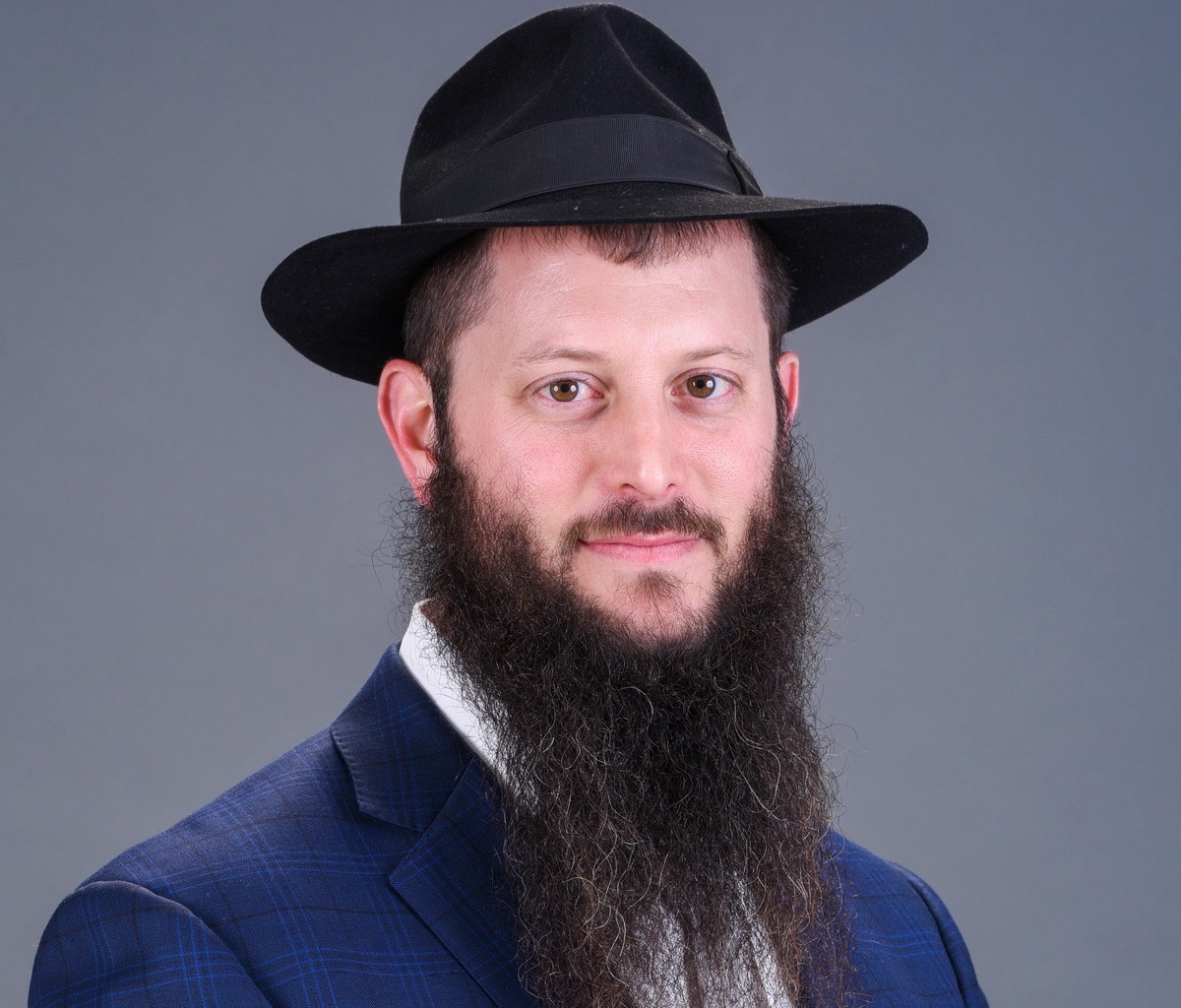
- Rabbi Motti Hadar is the rabbi at Pine Street Shul